
Two days in Kyoto means making peace with one thing: you cannot see it all. There are too many highlights and not enough hours, and the crowds can be challenging if you turn up at the wrong time of day.
I have spent nearly a week in Kyoto, and the biggest mistake I watched first-timers make was trying to cram in so much that they spent the whole trip ticking sights off a list rather than enjoying them.
This plan distills the best of everything I’ve done into a manageable two days: the stops worth your time, the trains you’ll need, the time each takes, prices in yen, and the timings that keep you ahead of the crowds. Where there’s a choice, I tell you what I’d personally do.
In short, this should be everything you need for your first time visiting Kyoto!
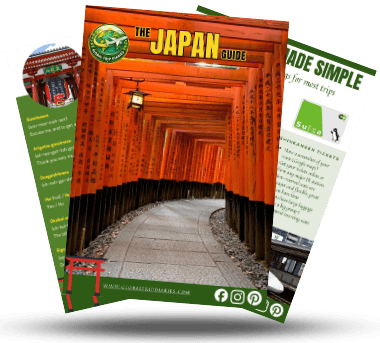
One more thing for first-timers: my free 13 page Japan starter guide covers the country-wide basics (money, apps, etiquette, arrival) that aren’t in this Kyoto-specific itinerary. No ads, just the planning info you actually need.
More of my Japan guides to plan around your Kyoto trip
- Where to stay in Osaka — Best bases for day trips, including Namba vs Umeda.
- Perfect Hakone Loop — What to do and how to get around when you are in Hakone
- Tokyo 3 day itinerary — A guide to the best sights and hidden gems.
- 1-day Hiroshima Itinerary — A clear plan to enjoy Hiroshima in a short visit
- Japan Two-Week Itinerary — How Kyoto fits into a wider route without backtracking.
- What to do on Miyajima Island — A full guide to the best things on the island
- How to get from Kyoto to Osaka — The fastest and cheapest routes
- Kansai Airport to Kyoto — Every option compared, with fares, times and last departures
TL/DR: 2-Day Plan at a Glance (with Map)
Download the map to your phone so you can follow the route offline. Each day itinerary includes totals for walking, transit and spend. Must-book items are flagged in my detailed plans below.
Disclaimer: This article features affiliate links. If you click these links, and choose to book with that hotel or company, I will earn a small commission at no extra cost to you. I appreciate the support that allows me to continue providing this information
Kyoto Day 1 overview
Route: Ninenzaka & Sannenzaka – Yasaka Pagoda – Kiyomizu-dera – Gion (Hanami-kōji & Shirakawa) – Kennin-ji – Nishiki Market – (Optional) Fushimi Inari at blue hour
Totals (typical)
- Walking: 8–11 km
- Transit: 0–30 mins (Keihan to Fushimi optional)
- Spend on sights: ¥800–¥2,000 (mostly free streets + a few paid temples)
My Top Tip: Start by 06:30 to enjoy the lanes empty, then roll downhill to Kiyomizu-dera for opening. The first hour is the difference between photos with nobody in them and a shuffle through crowds.
Kyoto Day 2 overview
Route: Arashiyama Bamboo Grove or Adashino Nenbutsu-ji – Tenryū-ji – Saga Toriimoto – Kinkaku-ji – Daitoku-ji – (Optional) Philosopher’s Path
Totals (typical)
- Walking: 9–12 km
- Transit: 45–75 mins (Hankyu/Randen/JR + one taxi short hop)
- Spend on sights: ¥1,500–¥3,000 (mix of paid gardens/temples)
My Top Tip: For quieter conditions and less people in your photos, pick Adashino over the main bamboo forest, then use one short taxi between the northern temples to save time/daylight.
Tickets, Transport & Money: How to Get Around Smoothly
- SUICA card: Tap in/out on JR, private rail, subway and buses. Top up at machines or convenience stores, or for extra convenience, on your phone if you get the digital version.
- Kyoto City Bus & Subway 1-Day Pass: Great for multiple hops in a day; if you’re mostly walking or getting 1/2 trains, pay as you go with a SUICA.
- Taxi vs public transport: For cross-town links (e.g., Ryoan-ji → Kinkaku-ji), a taxi can save 20–30 minutes. Typical short hop: ¥1,000–¥2,000.
- Luggage: Use coin lockers at big stations, consider ECBO cloak or TA-Q-BIN luggage forwarding to send a case to your next hotel and go hands-free when you explore.
Arriving from the airport first? My guide to getting from Kansai Airport to Kyoto compares the Haruka, the bus and the door-to-door options, and covers the discounted Haruka ticket you can only buy before you land.
Coming from Tokyo instead? My guide to the Tokyo to Kyoto bullet train covers which train to take, what it costs and the cheaper options.
Essential transport lines you’ll use
- JR Nara Line (Kyoto Stn – Inari) for Fushimi Inari
- Keihan Line (Gion-Shijō – Kiyomizu-Gojō/Inari) for Day 1
- Hankyu (Kawaramachi – Katsura – Arashiyama) for Day 2
- Randen (Keifuku tram: Shijō-Ōmiya – Arashiyama) for Day 2
Don’t want to plan your itinerary yourself? There are plenty of guided tours, including transport that you can choose from
Typical fares & travel minutes cheat-sheet
| Segment | Time | Cost (adult) |
|---|---|---|
| Gion-Shijō – Fushimi-Inari (Keihan) | 8–10 mins | about ¥220 (£1.15) |
| Kyoto Stn – Inari (JR Nara Line) | 5 mins | about ¥150 (£0.80) |
| Kawaramachi – Arashiyama (Hankyu via Katsura) | 25–30 mins | about ¥230 (£1.20) |
| Shijō-Ōmiya – Arashiyama (Randen) | 22 mins | about ¥250 (£1.30) |
| Kinkaku-ji – Daitoku-ji (taxi) | 8–12 mins | about ¥1,000–¥1,200 (£5 to £6.50) |
My Top Tip: Take Keihan on Day 1 (clean and frequent) and Hankyu out to Arashiyama on Day 2, then a taxi for the northern temple cluster to save time.
Get prepared for your Japan trip with my first-timer starter kit
- Break down the language barrier: key phrases and tech for an easy first trip
- How to stay connected: the cheapest data and easiest setup
- Japan on a budget: how to save money without missing the best bits
- Avoid currency fees: the best cards for spending and cash
- How much a trip to Japan costs: Totals for 7, 10 and 14 days, plus a typical day cost
- 25 apps that make your trip easier: the best free downloads
- Save 30 to 90 minutes at the airport: the free Visit Japan Web QR code
- Etiquette do’s and don’ts: what to know on your first visit
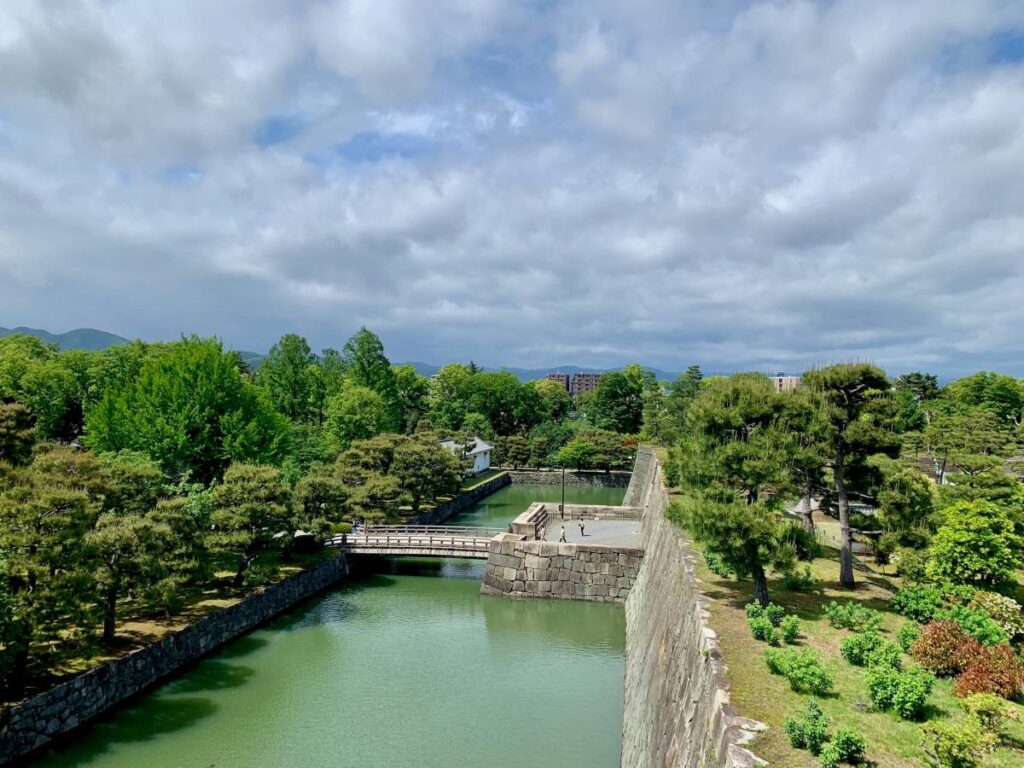
Day 1: Southern Higashiyama – Downtown – Fushimi Inari Shrine (Sunset Option)
Route & timings
- 06:30-07:15 Ninenzaka & Sannenzaka – 07:15-07:35 Yasaka Pagoda (Hōkan-ji) – 07:45-09:15 Kiyomizu-dera – 09:45-11:15 Gion (Hanami-kōji & Shirakawa) – 11:20-12:10 Kennin-ji – 12:25-14:00 Nishiki Market (lunch) – Optional 16:30-18:30 Fushimi Inari (Keihan from Gion-Shijō)
Ninenzaka & Sannenzaka
Stone-paved lanes leading to Kiyomizu-dera, lined with wooden townhouses, small cafés and craft shops. Go early for quiet photos and fantastic lighting.
Time 30-45 mins • Cost Free
Yasaka Pagoda (Hōkan-ji)
Five-storey pagoda anchoring the skyline; best viewed from surrounding lanes.
Time 15-20 mins • Cost Free
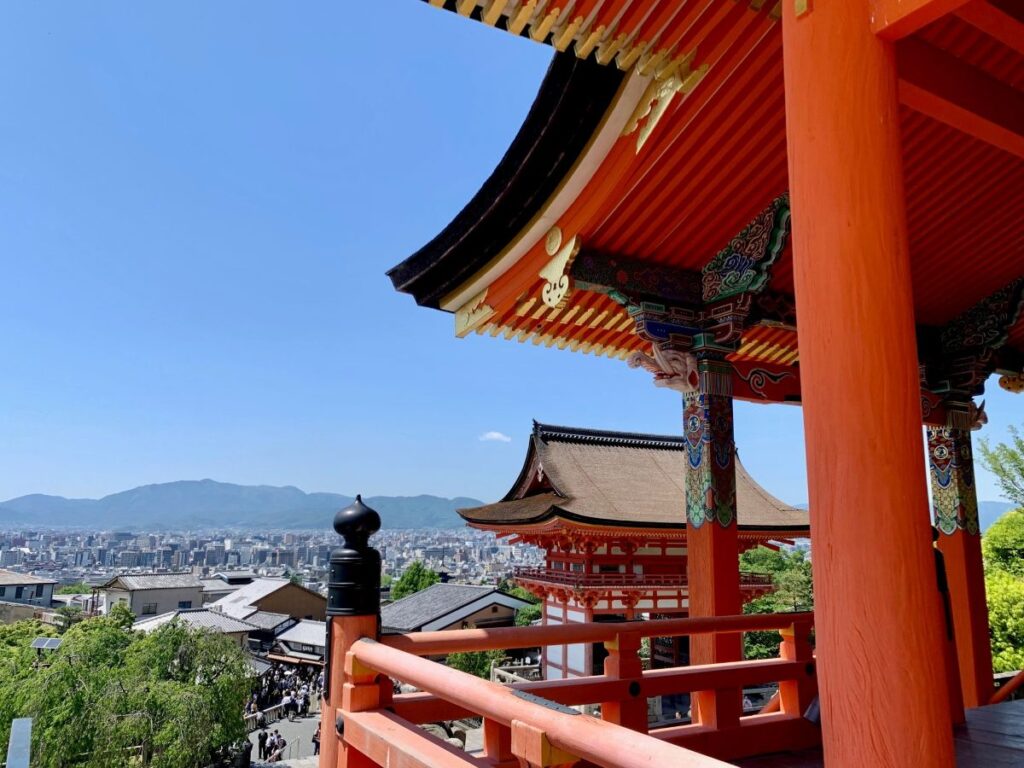
Kiyomizu-dera
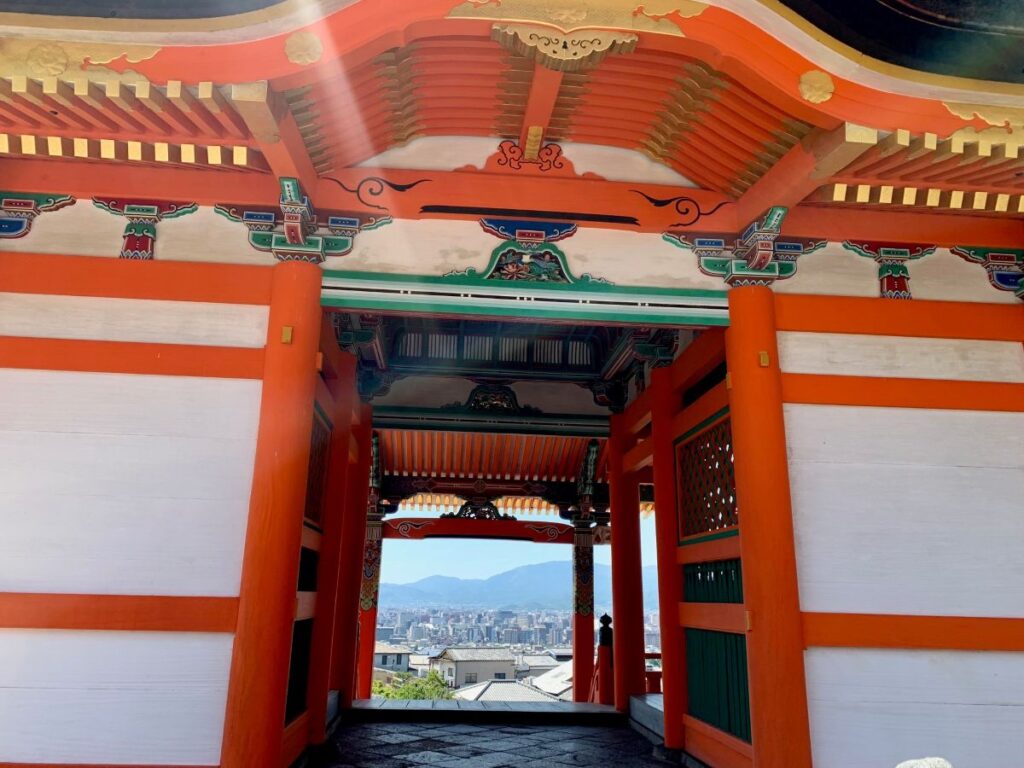
UNESCO-listed temple famous for its wooden stage and hillside views. Follow the wooded paths for calmer corners after the main hall.
Time 60-90 mins • Cost about ¥400–¥500 (£2 to £3)
Gion (Hanami-kōji & Shirakawa)
Walking into Gion felt different to anywhere else we’d been in Japan up to that point. The architecture is far more traditional, and the lanes just off the main tourist streets felt relaxed. It’s a district of wooden teahouses, narrow streets and willow-lined canals, and probably your best chance of seeing geiko or maiko. Respect privacy and signage here. This is where too many tourists have overstepped the mark, so don’t be that person.
Time 60-90 mins • Cost Free
Kennin-ji
Kyoto’s oldest Zen temple: quiet halls, dry gardens and a dramatic dragon ceiling painting. A good place to take it all in for half an hour after the busy lanes.
Time 30–50 mins • Cost about ¥500–¥600 (£3)
Nishiki Market
A covered food arcade nicknamed Kyoto’s kitchen. I ate my way along here 3 times in our stay and loved it. Octopus on a stick with a quail’s egg tucked into the head is a bit of an icon, bright red and hard to miss. I also recommend the sashimi, prawn skewers, sea urchin, sake (poured properly!), rice crackers, fish cakes and mochi.
My advice is to walk the full length first and see what takes your fancy. It’s also a fantastic spot for a guided food tour if you’d rather have someone point out the good stalls.
Time 60–90 mins • Cost Free (food typical ¥600–¥1,800)
Where to eat en route during your day
You can be more relaxed and see where your mood takes you, or book if you like a clear plan and a guaranteed table. A few we loved that i’d point you to:
- Nishiki Market for grazing, as above (no booking needed).
- Wajoryomen Sugari, right by Nishiki, where I had my first tsukemen (dipping noodles). A fantastic bowl, and a lovely room to sit in too.
- A Happy Pancake, just behind Nishiki, our favourite fluffy pancakes anywhere in Japan. Go for opening, it is popular and queues can form fast.
- Bar Rocking Chair for excellent cocktails if you want an evening drink with a speakeasy atmosphere.
- If you’d rather have a plan and a restaurant with a reputation, Jean-Georges at The Shinmonzen does a terrace lunch over the river and takes bookings.
My Top Tip! Graze at Nishiki and all its beautiful stalls for lunch, then book dinner for the end of the day – Gion fills up fast. Kyoto has some fantastic michelin star restaurants if you are after something extra special
Optional: Fushimi Inari (blue hour)
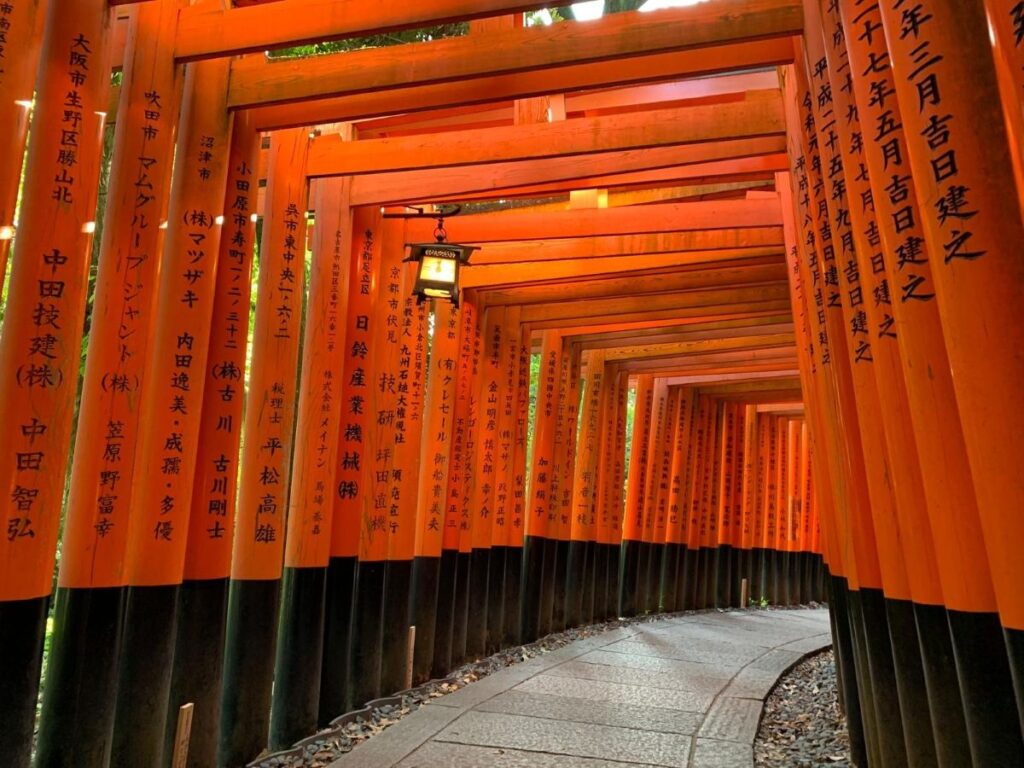
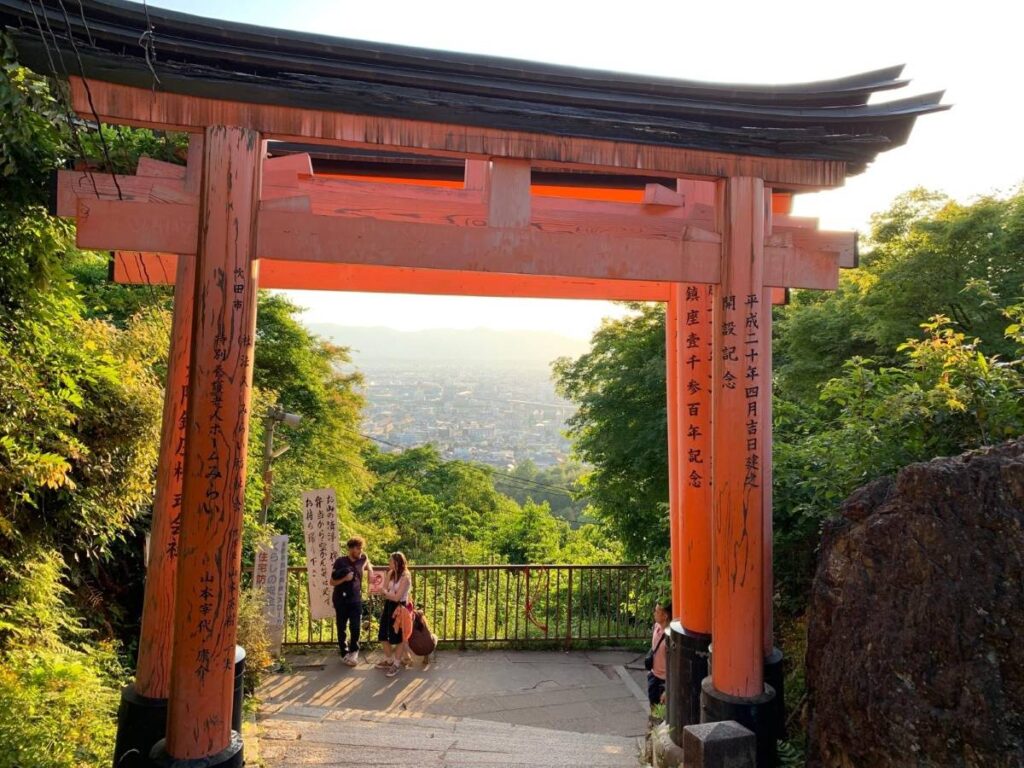
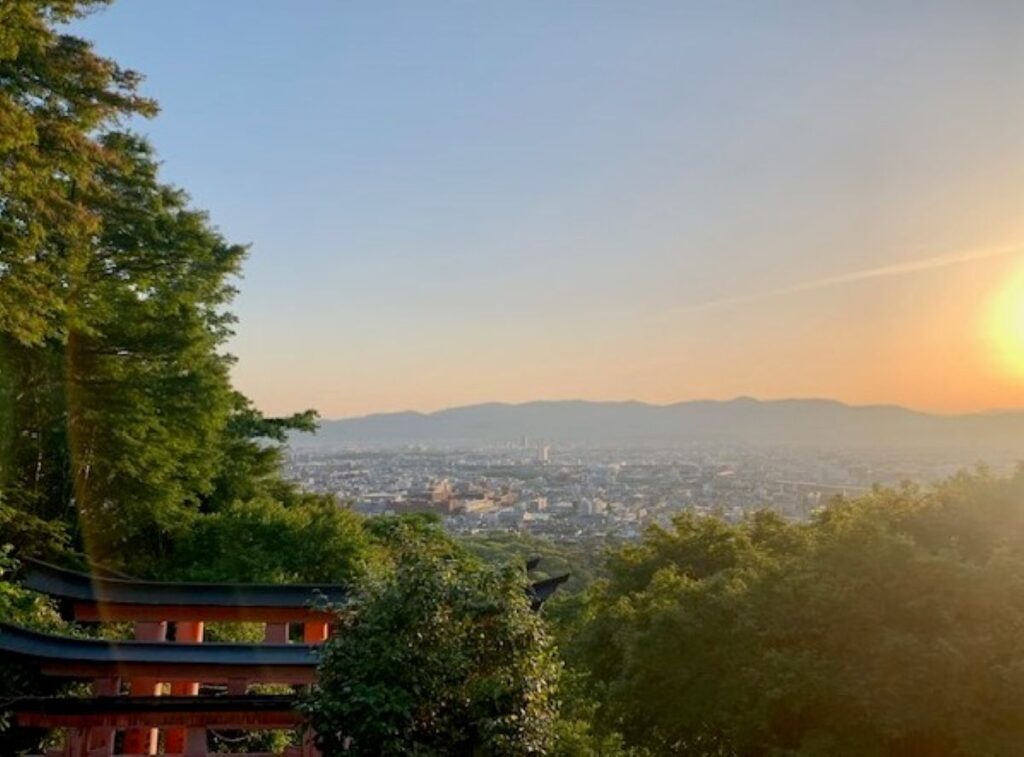
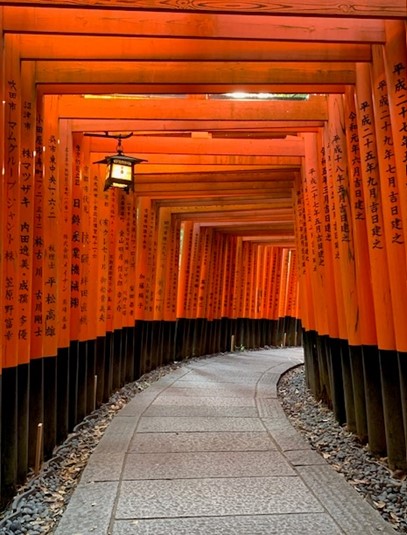
A mountain shrine with thousands of red torii. For me this was a highlight, and blue hour was the best time to take it in. We walked up to the Yotsutsuji viewpoint, sat for a while and enjoyed the view over Kyoto, and the gates got noticeably quieter the higher we climbed.
I’ll be honest: the higher viewpoint isn’t a million times better for photos, but it’s a lovely walk and I’d recommend it to anyone who enjoys getting out on foot. Make sure you have a torch if you’re coming down after dark.
Time 60–120 mins • Cost Free
Day 1 Time/Cost summary (table)
| Stop | Time | Cost |
| Ninenzaka & Sannenzaka | 30–45 mins | Free |
| Yasaka Pagoda (view) | 15–20 mins | Free |
| Kiyomizu-dera | 60–90 mins | about ¥400–¥500 (£2 to £3) |
| Gion (Hanami-kōji & Shirakawa) | 60–90 mins | Free |
| Kennin-ji | 30–50 mins | about ¥500–¥600 (£3) |
| Nishiki Market (lunch) | 60–90 mins | Free (food extra) |
| Fushimi Inari (optional) | 60–120 mins | Free |
My Top Tip: If your energy dips after lunch, save Fushimi for pre-dawn tomorrow; it’s equally stunning at sunrise as it is at sunset.
FREE GUIDE
Planning your trip to Japan?
I made a free 13-page guide that strips Japan planning down to the few decisions that matter.
No ads, instant download.
Day 2: Arashiyama (Early) → Kinkaku-ji/Daitoku-ji → Northern Higashiyama (Optional)
Route & timings
- 06:30-08:00 Arashiyama Bamboo Grove or Adashino Nenbutsu-ji – 08:05-09:00 Tenryū-ji – 09:20-10:00 Saga Toriimoto – (Transfer Randen/Hankyu + bus or taxi) – 11:00-11:40 Kinkaku-ji – 12:00-13:00 Daitoku-ji (choose 1-2 sub-temples) – Optional 15:30-17:00 Philosopher’s Path
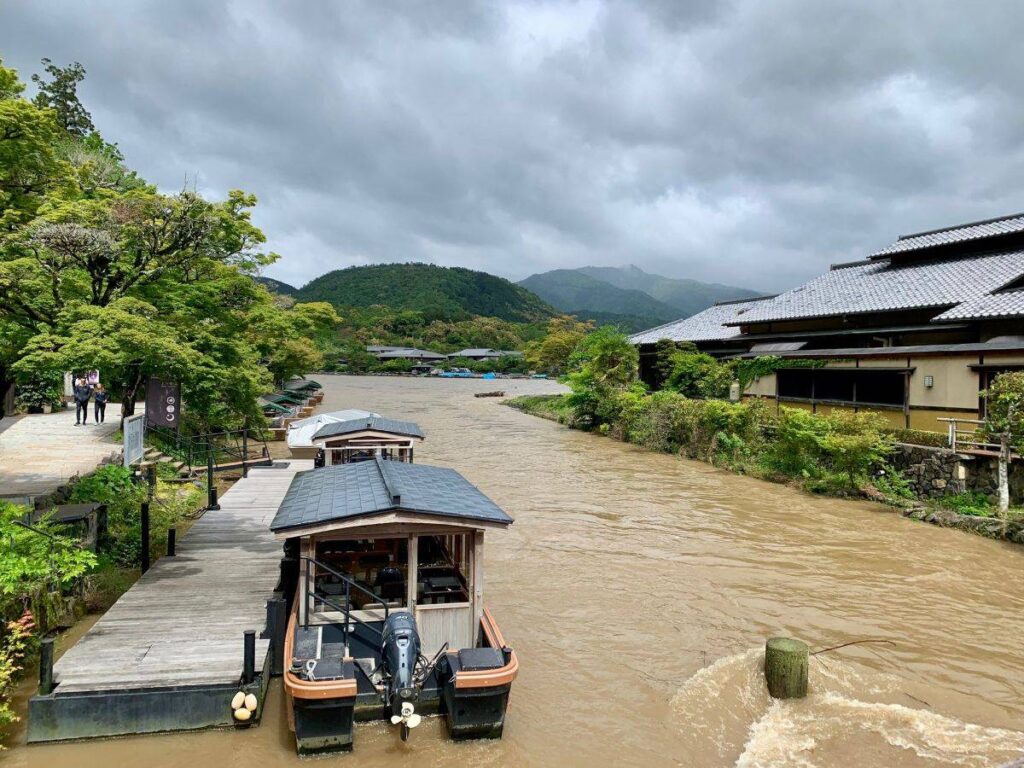
Getting there early: take Hankyu from Kawaramachi (via Katsura) or the Randen from Shijō-Ōmiya. I’d personally go out on the Hankyu (faster) and take the tram back if you fancy a scenic ride and a change of pace.
Arashiyama Bamboo Grove
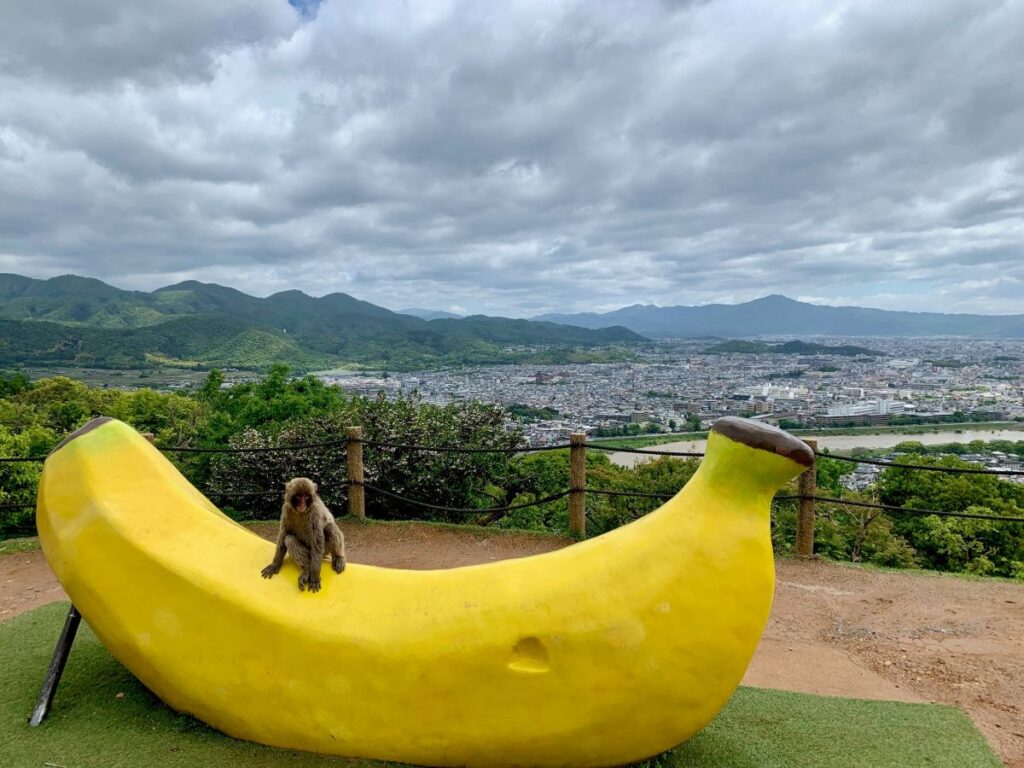
In my opinion I wouldn’t cross town just to see the bamboo grove. It’s nice, but on its own it isn’t a wow worth the trek. Tie it in with Adashino, the monkey park or a river cruise, or give the whole Arashiyama side a night or two, for a beautiful break. It’s a short but atmospheric path, and very crowded from about 07:30, so go first thing or not at all.
Time 30–45 mins • Cost Free
OR
Adashino Nenbutsu-ji
The quieter alternative to the main grove. We did both, and Adashino has more to it than just bamboo: it’s a peaceful temple with a small bamboo lane and thousands of stone statues, and the photos come out far nicer than at the main grove. If you only have time for one, this is the one I’d choose.
Time 40–60 mins • Cost about ¥500 (£2.60)
Tenryū-ji
UNESCO Zen temple with a superb stroll garden; a gentle loop pairs well with the bamboo path next door.
Time 35–55 mins • Cost typical ¥500–¥800 (£3 to £4)
Saga Toriimoto Preserved Street
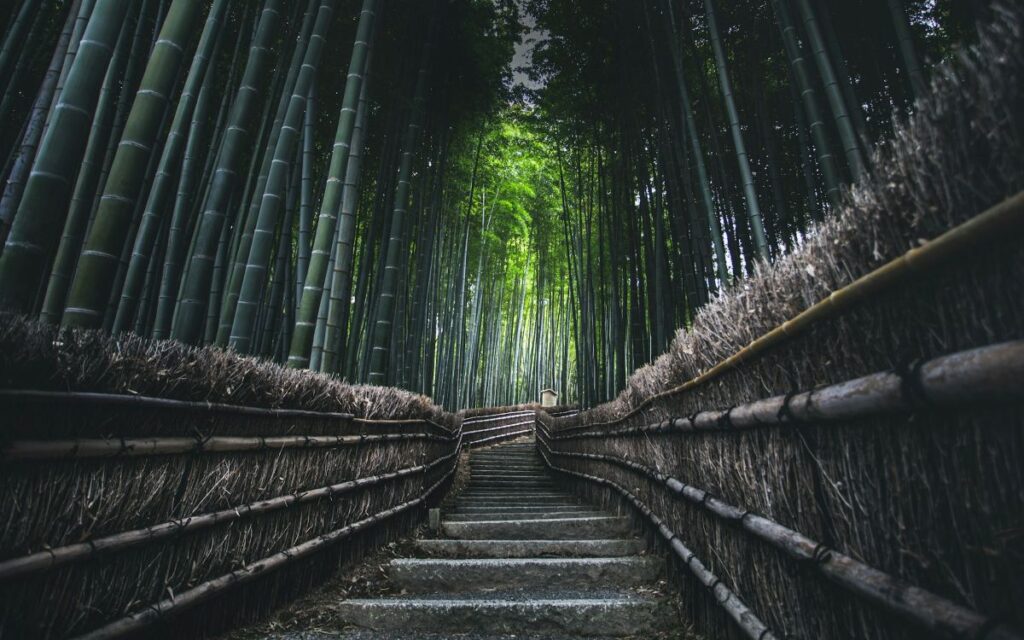
Historic street of thatched-roof houses at Kyoto’s edge, an easy, peaceful wander away from tour crowds.
Time 20–30 mins • Cost Free
My Top Tip! From the Arashiyama area to the northern temple cluster, a taxi (15–25 mins) often beats the multi-leg bus routes, especially if daylight is tight.
Kinkaku-ji (Golden Pavilion)
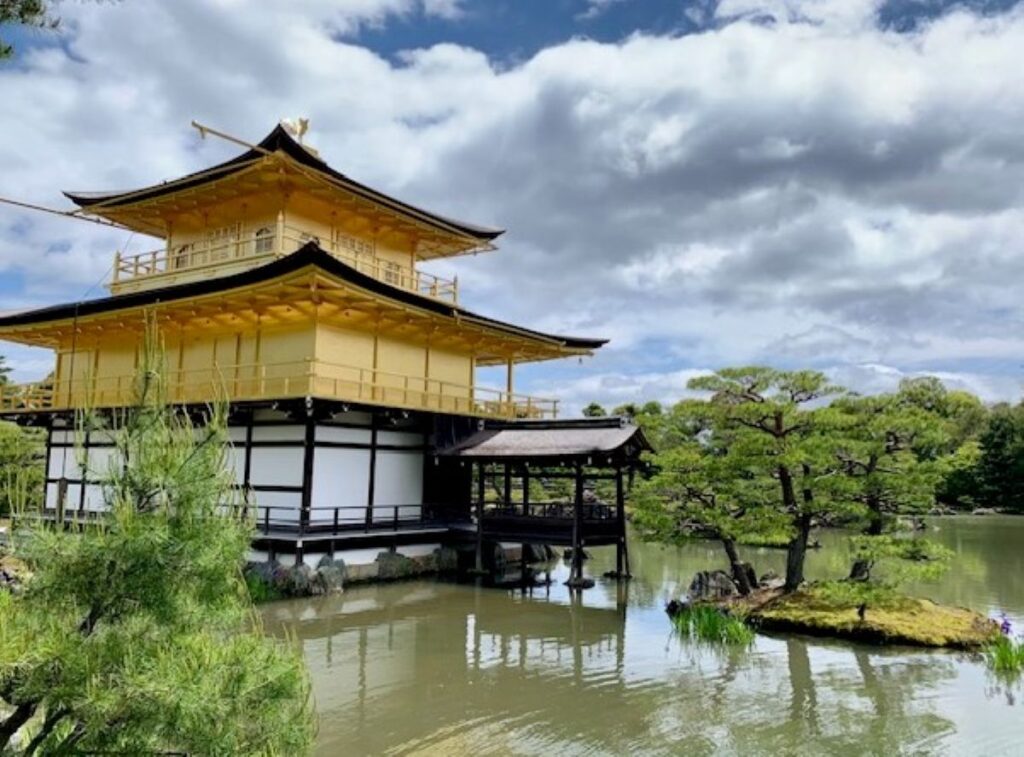
Iconic gold-leaf pavilion set beside a reflective pond; A one-way loop keeps you moving, which is handy because it gets busy in the middle of the day. This was one of my favourite temples in Japan, it’s really impressive in person, and easy to take a good photo of.
Time 30–40 mins • Cost about ¥500 (£2.60)
Daitoku-ji (choose sub-temples)
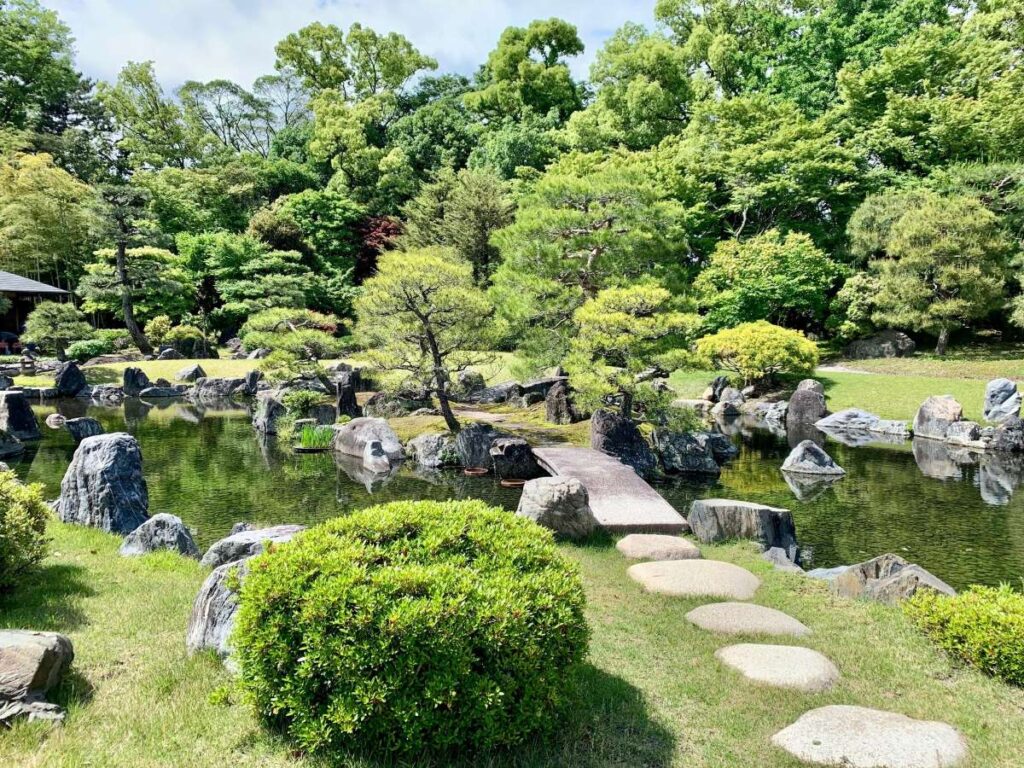
A large Zen complex with several sub-temples. Pick one or two for superb rock gardens and quiet halls. It stays quiet even at midday, which makes it a good pairing with the busier Kinkaku-ji.
Time 40–60 mins • Cost typical ¥400–¥600 (£2 to £3)
Optional: Philosopher’s Path
Canal-side walk linking small shrines and cafés; beautiful in late afternoon with long shadows.
Time 45–75 mins • Cost Free
Lunch ideas near the route
- Arashiyama: tofu/river cafés (walk-in early).
- Between Kinkaku-ji & Daitoku-ji: noodle houses on side streets (walk-in).
- Gion/Northern Higashiyama (if you finish there): book ahead for dinner hotspots; small rooms fill quickly.
My Top Tip! Eat light near Arashiyama, then plan a proper dinner back in town, either back to Nishiki or book a more formal sit down meal.
Day 2 Time/Cost summary (table)
| Stop | Time | Cost |
| Bamboo Grove or Adashino | 30–60 mins | Free / about ¥500 (£2.60) |
| Tenryū-ji | 35–55 mins | typical ¥500–¥800 (£3 to £4) |
| Saga Toriimoto | 20–30 mins | Free |
| Kinkaku-ji | 30–40 mins | about ¥500 (£2.60) |
| Daitoku-ji (1–2 sub-temples) | 40–60 mins | typical ¥400–¥600 (£2 to £3) |
| Philosopher’s Path (optional) | 45–75 mins | Free |
Don’t want to plan your itinerary yourself? There are plenty of guided tours, including transport that you can choose from
Where to stay in Kyoto
You have a lot of excellent hotel options in Kyoto, simplistically, you have to choose between 4 main areas; Downtown Kyoto, Gion, Southern Higashiyama and Arashiyama
I’ve written a detailed breakdown of the pros and cons of each area with hotels across multiple budgets to make the decision easier. I have also covered the best family hotels if you are travelling with your kids.
For a two-day trip I’d lean towards Downtown or Gion, since you’re closest to Day 1’s route and the dining, and you waste less time commuting. Whichever you pick, book early: the best-located rooms in Gion and Downtown go quickly in cherry blossom and autumn.
Worth saying: the bigger question for a lot of first-timers is whether to sleep in Kyoto at all or base in Osaka and come across. I’d stay in Kyoto, and my Kyoto vs Osaka guide explains why, with the night splits I’d recommend for each.
If you are planning a longer trip, see my 7 days in Japan tour and full guide to two weeks in Japan
TOP TIP! Picking where to stay in Japan can be overwhelming with so much choice – My hand picked guides to the best neighbourhoods and hotels below will do the hard work for you
HOTELS FOR FAMILIES AND BIG GROUPS IN TOKYO : More space, rooms that sleep multiple people and locations that make life easier
THE BEST TOKYO HOTELS : Perfect for couples, first time travellers and those looking to minimise their time on public transport
THE PERFECT AREAS TO STAY IN OSAKA : The best hotels by neighbourhood and budget
MY FAVOURITE HOTELS IN KYOTO : Hotels in Kyoto vary a lot, I’ve broken down the best in each area
Places you will NEED to book in Kyoto if you want to go
What to book now vs later
- Book now (limited slots): Katsura Imperial Villa (ID required, tight windows), popular tea ceremonies near Gion (small rooms), and the big-name restaurants everyone asks me about, Monk and Jean-Georges among them, plus most Michelin spots. I haven’t eaten at Monk or Jean-Georges myself, they’re notoriously hard to get into, but if they’re on your list you’ll need to book well ahead. Kimono photo shoots too.
- Book 1-3 days ahead: rooftop bars, guided food tours at Nishiki.
- No booking needed: most daytime noodles, market snacks, casual cafés.
My Top Tip: If you want to try Monk, prioritise booking that first; then pick a tea ceremony to fit Day 1 afternoon. But there are also lots of other special and intimate restaurants in Kyoto, if you miss out, don’t get disheartened, try another!
Crowd, Seasonality & Photo timings
My cheat sheet outlines when to visit some of the top attractions. Best window (go now) vs Busy/avoid for quick decisions. If you only remember one thing: early mornings win in Kyoto.
When to visit/not visit the most popular sites in Kyoto
| Sight | Best window (go now) | Busy / avoid | Notes |
| Ninenzaka & Sannenzaka | 06:30–07:30 | 09:30–16:00 | Empty lanes and soft light early; return later for shops. |
| Kiyomizu-dera | 08:00–09:00 | 10:00–15:00 | Enter inner area first; then the wooded paths. |
| Gion side streets | 09:30–11:00; 16:00–18:00 | 18:00–21:00 (main drags) | Respect private alleys; evenings crowd quickly. |
| Fushimi Inari | 06:00–08:00; 17:00–20:00 | 09:00–15:30 | Yotsutsuji viewpoint has space; bring a torch if late. |
| Arashiyama Bamboo Grove | 06:30–07:15 | 07:45–11:00 | If busy, switch to Adashino. |
| Adashino Nenbutsu-ji | 09:00–10:00; 15:30–16:30 | 11:00–14:00 | Pair with Saga Toriimoto. |
| Tenryū-ji garden | 08:30–09:30 | 10:30–14:00 | One-way loop helps flow. |
| Kinkaku-ji | 11:00–12:00; 15:30–16:30 | 12:00–15:00 | Aim off-peak to avoid shuffling queues. |
| Daitoku-ji sub-temples | 12:30–15:30 | — | Usually calm even mid-day. |
| Philosopher’s Path | 16:00–18:00 | 10:00–14:00 (peak seasons) | Late light and fewer crowds. |
My Top Tip! If you miss your planned window, or arrive and it’s too busy for you, don’t wait – switch to the alternate (Adashino, Daitoku-ji, Kennin-ji etc.) and return later.
Seasonal timings to consider
- Cherry blossom (late Mar-early Apr) and autumn foliage (Nov) are lovely but busy, stick closely to best windows I outlined above. I have written an in depth cherry blossom planning guide.
- Avoid Golden Week (early May) if possible; if not, lean on early starts and late finishes.
- Photo windows: blue hour at Fushimi; early shade in the bamboo; late light on Philosopher’s Path.
Kyoto tips for Accessibility & Families
Family/stroller route tweaks for Day 1 & Day 2
- Kiyomizu-dera: use the accessible path on the left side of the main approach.
- Arashiyama: paths are mostly flat; some lanes have uneven stones.
- Fushimi Inari: lower torii sections suit a carrier; steps steepen higher up.
- Coin lockers & baby rooms: found in major stations and department stores around Shijō/Kawaramachi and Kyoto Station.
- Pick your hotel carefully and make sure it really is a good family hotel and location
Wheelchair access information by stop
- Kiyomizu-dera: some step-free areas; steep gradients.
- Tenryū-ji: garden paths manageable; temple buildings may have thresholds.
- Kinkaku-ji: loop path has slopes and gravel.
My Top Tip! For toddlers, a compact stroller plus a soft carrier covers both days, since you’ll switch between flat paths and steps a lot.
Etiquette in Gion & at Temples
Unfortunately there has been a lot of bad press in recent times about tourists not respecting the locals and the area. These quick tips will ensure you don’t fall foul of this.
Quick etiquette checklist
- Keep voices low; follow one-way paths.
- Dress modestly (shoulders/knees covered at religious sites).
- No eating while walking in narrow heritage lanes.
Photo guidelines you should know
- Don’t block doorways or private alleys; never chase geiko/maiko for photos.
- Tripods are often restricted; follow signage.
Plan B: Rain/Heat Alternatives & Timing Tweaks to save your itinerary
Rain-safe swaps by district
Kyoto National Museum
Large museum near Sanjūsangen-dō with rotating exhibitions and a clear overview of Kyoto arts.
Time 60–90 mins • Cost typical ¥700–¥1,000 (£4 to £5)
Kyoto Railway Museum
Hands-on transport museum with historic trains – good for families and wet afternoons.
Time 60–120 mins • Cost typical ¥1,200–¥1,500 (£6 to £8)
Department-store food halls (Daimaru, Takashimaya)
Basement “depachika” for tasting bentō, sweets and tea under one roof, fully covered.
Time 30–60 mins • Cost Free (food typical ¥600–¥1,500 about £3 to £8)
Tea ceremony experience (Gion)
Short, guided ceremony explaining tools, steps and etiquette – ideal when weather turns.
Time 45–60 mins • Cost typical ¥3,000–¥5,000 (£16 to £26)
Heat-aware plans (shade, vending, rest stops)
- Prioritise shaded corridors (bamboo/temple gardens), pause at vending machines, and add an indoor stop every 90 minutes.
- Shift one marquee sight to early morning; keep afternoons for museums or riverside cafés.
My Top Tip! On hot days, do Kiyomizu-dera at opening, then museums through the afternoon, then a later-evening Fushimi loop once it cools.
FREE GUIDE
Planning your trip to Japan?
I made a free 13-page guide that strips Japan planning down to the few decisions that matter.
No ads, instant download.
FAQ’s about planning Kyoto
Is 2 days enough to see Kyoto?
Two days is enough for a proper highlights tour, not the whole city. If you follow a tight route you can comfortably see Kiyomizu-dera, Fushimi Inari, Arashiyama and Kinkaku-ji. The honest catch is that Kyoto has over 1,600 temples and shrines, so two days means choosing. I had longer myself, and the biggest mistake I saw first-timers make was cramming in so much they spent the trip ticking sights off rather than enjoying them. If you want a slower pace or the quieter neighbourhoods, give it 3 to 4 days.
What is the best time of day to visit Fushimi Inari?
Fushimi Inari is open 24/7, so the best times are early morning before 8am or late afternoon into sunset. At these times the paths are calmer, cooler in summer, and your photos won’t be full of crowds. Midday is the busiest and hardest time to enjoy it.
Is it better to visit Arashiyama Bamboo Grove or Adashino Nenbutsu-ji?
The Arashiyama Bamboo Grove is the famous one, but it’s extremely crowded from mid-morning. Adashino Nenbutsu-ji is a quieter temple with its own smaller bamboo path, thousands of stone statues and a calmer feel. I did both and, if you only have time for one, I’d choose Adashino for the calm. If iconic photos are your priority, get to Arashiyama at dawn.
Can I see geisha in Gion, and what are the rules for photography?
You may see geisha or maiko (apprentices) walking between teahouses in Gion, especially around dusk. If you do, admire respectfully and never block their way. Photography is now restricted on some private alleys, and taking close-up photos without permission is considered rude.
What should I do if it rains during my Kyoto visit?
Kyoto has plenty of covered or indoor options. Nishiki Market is a great rainy-day food stop, while temples like Kennin-ji or Sanjūsangen-dō can be enjoyed under cover. If you prefer shopping, head to the Teramachi or Shinkyōgoku arcades. Keep an umbrella handy, rain showers are common, but they often pass quickly.
Is this 2-day Kyoto itinerary suitable for kids or older travellers?
Yes, but expect long walking days or plan for more taxis to save your legs. Families with younger children or older travellers may want to skip one or two stops to reduce walking. Kyoto’s temples often have steps and uneven ground, though places like Fushimi Inari’s lower trails, Maruyama Park, or Philosopher’s Path are easier alternatives. If you’re travelling with children, my guide to the best family hotels in Kyoto picks out rooms with the space and layouts that make a trip with kids easier.
Where’s the best area to stay in Kyoto?
For two days, staying near Gion or downtown (Kawaramachi/Shijō) is ideal. You’ll be close to Day 1’s route and have plenty of dining options. Kyoto Station is another good base if you want fast transport connections, especially for trips to Nara or Osaka. Both areas are well connected and make it easy to follow a 2-day plan without wasting time commuting.
Can I do a day trip to Nara from Kyoto?
Yes. Nara is less than an hour away by train, either on the JR Nara Line from Kyoto Station or the Kintetsu Line from central Kyoto. It makes a great day trip, with highlights like Todai-ji, the Giant Buddha, and the free-roaming deer in Nara Park. If you only have two days in Kyoto it’s best to save Nara for another trip, but if you add a third day, it’s one of the easiest day trips.
Read my guide to a day trip to Nara from Kyoto, how to get there, how to plan it and what not to miss
Final Notes on Kyoto
- Download the map before you set off and keep a small backup plan for rain/heat.
- Use a SUICA card and mix rail with the odd well-timed taxi to save time and see more.
- Keep asking yourself whether a sight actually fits what you’re into. If it doesn’t, swap it. There’s plenty to do in Kyoto, especially with more than two days.


37 Comments
Comments are closed.