
Tokyo is, by any honest measure, the best city in the world to eat. The 2026 Michelin Guide gives Tokyo more starred restaurants than any other city for the 19th year running, 160 in total, including 12 with three stars. Below that, Tokyo has a Bib Gourmand list of 114 restaurants, places where Michelin inspectors think you can eat brilliantly for sensible money.
My guide cuts through that to a working shortlist of restaurants worth booking on a first trip to Tokyo, organised in three price tiers: cheap eats under £20 a head, mid-range £20 to £50, and special-occasion £50 to £250.
Almost every restaurant below holds either a Michelin star or a Bib Gourmand, and where it doesn’t, there’s a clear reason it’s still on the list. This isn’t an “ultimate 50 restaurants” list. I’ve cut anything I haven’t tried or couldn’t verify with multiple recent sources, and most are bookable in English.
FREE GUIDE
Planning your trip to Japan?
I made a free 13-page guide that strips Japan planning down to the few decisions that matter.
No ads, instant download.
My picks at a glance
If you’ve only got a minute and you want my picks at a glance, here’s where I’d send you. Each name jumps to the full write-up further down.
- Best cheap ramen: Konjiki Hototogisu (Shinjuku) for the truffle shio, Ramenya Toy Box (Minowa) if you’re a serious shoyu person
- Best £10 lunch in Tokyo: Tensuke (Koenji) for the egg tempura lunch, a memorable meal for the price of a London sandwich
- Best unagi: Hashimoto (Bunkyo), a six-generation eel house that won’t bankrupt you
- Best Michelin lunch deal: Tempura Kondo, two stars for around £40
- Best kaiseki: Akasaka Kikunoi, the Tokyo branch of a three-star Kyoto restaurant
- Best sushi splurge under £200: Sushi Miura (Akasaka), a 2026 Michelin one-star you can actually book
My Top Tip! If you want to eat at a Michelin-starred Tokyo restaurant on a sensible budget, book lunch instead of dinner. Same chef, same kitchen, often the same headline dishes, at a third to half the price.
Disclaimer: This article features affiliate links. If you click these links, and choose to book with that hotel or company, I will earn a small commission at no extra cost to you. I appreciate the support that allows me to continue providing this information
Tokyo is also the perfect city to take as much local advice as you can, the city excels at food tours and cooking classes. Both really give you another layer of depth to the experience
More of my Japan guides to plan around your Tokyo trip
- Kamakura day trip – One of the most rewarding day trips from Tokyo
- How many days in Osaka – A ready made itinerary for the best things to see in Osaka
- Tokyo 3 day itinerary – A guide to the best sights and hidden gems.
- Watch sumo training in Tokyo – the best way to see the action close up
- Japan Two-Week Itinerary – All my tips to make the most of two weeks in Japan
- Kyoto in 2 Days – A guide to everything you will want to do in Kyoto
- Perfect Hakone Loop – What to do and how to get around when you are in Hakone
How to eat in Tokyo: what to know before you go
Cash
Most cheap eats are cash only, especially the ramen shops, tempura counters and small family-run places. Mid-range and special-occasion restaurants usually accept cards. Carry ¥10,000 to ¥20,000 in cash per person per day. 7-Eleven ATMs are everywhere, accept foreign cards, and have an English interface.
Ticket vending machines
A lot of cheap and mid-range Tokyo restaurants, particularly ramen, gyudon, soba and tonkatsu shops, use a ticket vending machine at the entrance.
You put cash in, choose your dish, hand the ticket to the chef. Don’t panic if the buttons are all in Japanese. Almost every machine has an English option (look for a small flag button), a photo guide on the wall, or staff who’ll help.
Queues and timing
Queues at the best Tokyo restaurants are normal and expected. At a famous ramen or tempura place, expect 30 to 60 minutes at lunch peak (12:00 to 13:30) or dinner peak (19:00 to 20:30).
Going at 11:00 or 14:00 for lunch, or 17:00 or 21:00 for dinner, often cuts the queue to nothing.
Booking platforms
Most high end restaurants and a lot of mid-range ones need a reservation, and the booking-platform situation is more fragmented in Tokyo than in Europe or the US. The five worth knowing:
- TableAll: high-end and Michelin-starred, especially sushi, kaiseki and tempura
- Pocket Concierge: fine dining, mostly Michelin spots, run by American Express
- byFood: broader range including Bib Gourmand and mid-range, with photos and detailed descriptions
- OMAKASE Japan Eatinerary: official Michelin Guide partner, strong on sushi and kaiseki
- Tablecheck: free reservations, broader range including bistros and yakiniku
My Top Tip! Set your booking calendar by the 2-month rule. Most Michelin-starred places open reservations exactly 2 months ahead, often at 10:00 AM Japan time, and the most-wanted slots go in minutes. Diary it the second you confirm your flights, set a phone alarm for the right Tokyo time.
Tipping and chopsticks
Tipping is not customary in Japanese restaurants and you can confidently leave it out, the bill is the bill. Don’t leave coins on the table, don’t add a percentage, don’t slip cash to the chef. It can genuinely cause confusion and the staff will sometimes chase you down the street to return it. What you will see at higher-end restaurants is a 10% to 15% service charge added automatically, plus 10% consumption tax. That’s already on the bill.
Chopsticks. Don’t stick them upright in rice (it’s a funeral gesture), don’t pass food chopstick-to-chopstick, don’t point with them. Resting them on the chopstick rest or across the top of your bowl is fine.
English menus
Tokyo has improved enormously on English menus over the last decade. If you’re nervous, the Google Translate app’s camera mode works well on Japanese menus, point your phone at the menu and it overlays an English translation in real time.
Two apps worth downloading
The Michelin Guide app. Free, lists every Bib Gourmand and starred restaurant in Tokyo with current opening hours. Tokyo restaurants close on unusual days, and the app updates faster than most blogs.
Tabelog. Japan’s main restaurant review site, the local equivalent of Yelp. Most reviews are in Japanese, but the Tabelog ratings are genuinely useful: anything above 3.5 is good, above 3.8 is excellent, above 4.0 is rare and usually outstanding.
My Top Tip! Use Michelin and Tabelog together. The Michelin app for the credentials and current hours. Tabelog for the local consensus on whether a place lives up to the credentials. If a place has both Michelin recognition and a Tabelog score over 3.7, you’re almost certainly safe.
Downloadable map of the best restaurants in Tokyo
Best cheap eats and budget restaurants in Tokyo
In this section: Onigiri Asakusa Yadoroku (onigiri, Asakusa) · Grill GRAND (yoshoku, Asakusa) · Ponchiken (tonkatsu, Kanda) · Tensuke (tempura, Koenji) · Konjiki Hototogisu (ramen, Shinjuku) · Ramenya Toy Box (ramen, Minowa) · L’insieme (Neapolitan pizza, Kameido)
You can eat brilliantly in Tokyo for under £20 a head, and honestly some of the best meals you’ll have are at this price. The trick is knowing where to look. Almost every spot below holds a Michelin Bib Gourmand, which means Michelin inspectors have rated them as offering high-quality cooking at a reasonable price. Translation: world-class food, not world-class prices. For more ways to eat well for less across Japan, see my Japan budget guide.
Onigiri Asakusa Yadoroku
- Cuisine: Onigiri (Japanese rice balls)
- Price: ¥800 to ¥2,000 per person (£4 to £11)
- Hours: Mon, Thu-Sat 11:30-14:00 and 17:00-20:00. Tue, Wed lunch only. Closed Sundays
- Booking: No reservations, walk-in only. Cash only
- Address: 3-9-10 Asakusa, Taito-ku
- Link: Michelin Guide listing
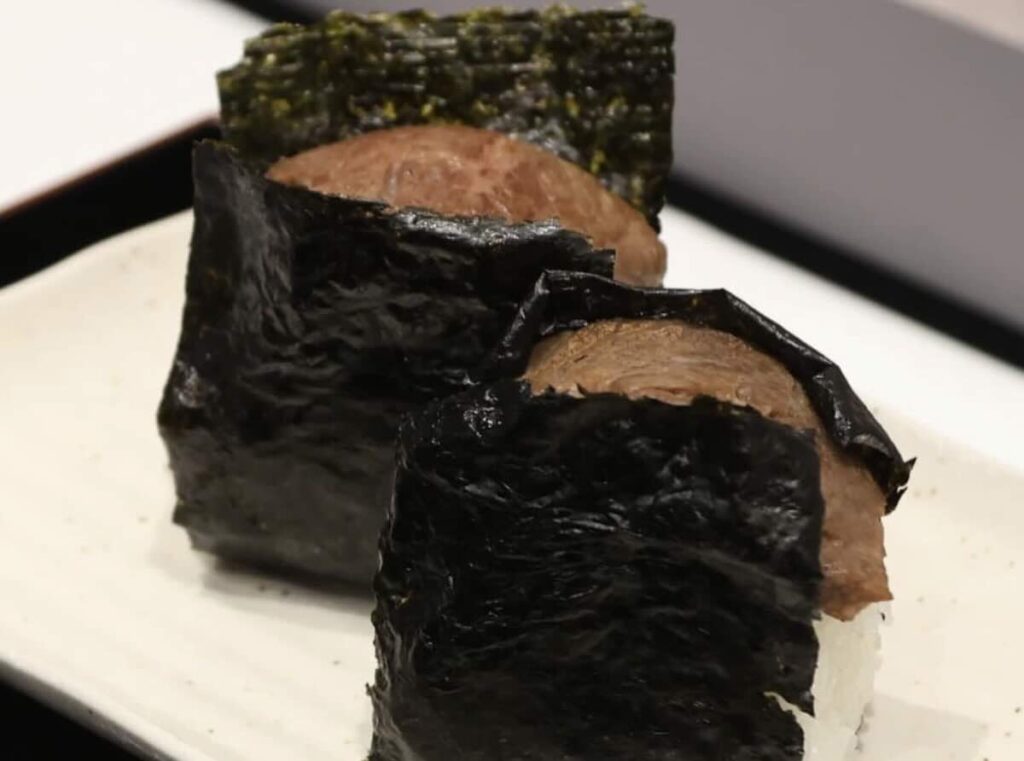
Tokyo’s oldest onigiri shop, founded in 1954, and a Bib Gourmand pick every year since 2019. It’s a tiny spot, just behind Senso-ji temple in Asakusa, with 16 seats and an open counter where you can watch the chef shape each rice ball by hand.
Fillings range from classics like grilled salmon, tarako (salted pollock roe) and umeboshi (pickled plum) to more adventurous ones like herring roe pickled in sake lees. Individual onigiri are ¥320 to ¥770 each, and the lunch set at ¥814 gets you two onigiri, miso soup with tofu and pickles.
Pick this if you want to understand why onigiri is more than convenience-store filler. Two or three rice balls plus a miso soup is a good meal.
Grill GRAND
- Cuisine: Yoshoku (Japanese-Western fusion)
- Price: ¥2,000 to ¥4,000 per person (£11 to £22)
- Hours: Tue-Sat 11:30-13:45 and 17:00-20:30. Closed Sun and Mon
- Booking: Reservations recommended for dinner, walk-in possible for lunch (expect a queue)
- Address: 3-24-6 Asakusa, Taito-ku
- Link: Michelin Guide listing
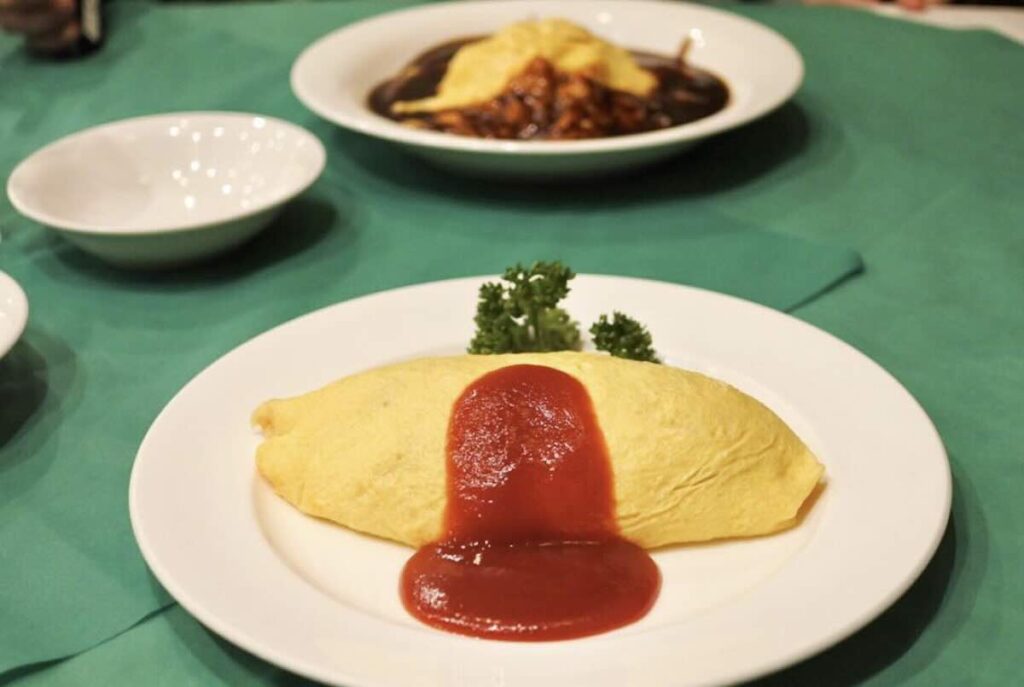
A family-run yoshoku institution, founded in 1941 and now run by the third generation. Yoshoku is Japanese-style Western food, things like omurice (omelette over fried rice with demi-glace sauce) and beef stew, dishes that tell you a lot about how Japan adopted and made its own version of European cooking in the early 20th century.
The demi-glace sauce is what they’re known for. It’s reportedly simmered for two weeks, and it ends up on the omurice, the beef stew and pretty much anything else worth ordering. Bib Gourmand from 2024 onwards. Get the omurice with demi-glace if you only order one thing. The crab cream croquette has won Croquette Grand Prix gold seven times, so consider that for a side.
Pick this if you’ve been wandering Asakusa after Senso-ji and want a proper, hearty sit-down meal that’s still good value.
Ponchiken
- Cuisine: Tonkatsu (deep-fried breaded pork cutlet)
- Price: ¥2,000 to ¥3,000 lunch (£11 to £17). Dinner from ¥6,000 (separate listing as a tasting menu)
- Hours: Mon, Tue, Thu, Fri, Sat 11:15-14:00 and 17:30-20:30. Closed Wed and Sun
- Booking: Walk-in only at lunch, dinner reservations available
- Address: 2-8 Kanda Ogawamachi, Chiyoda-ku
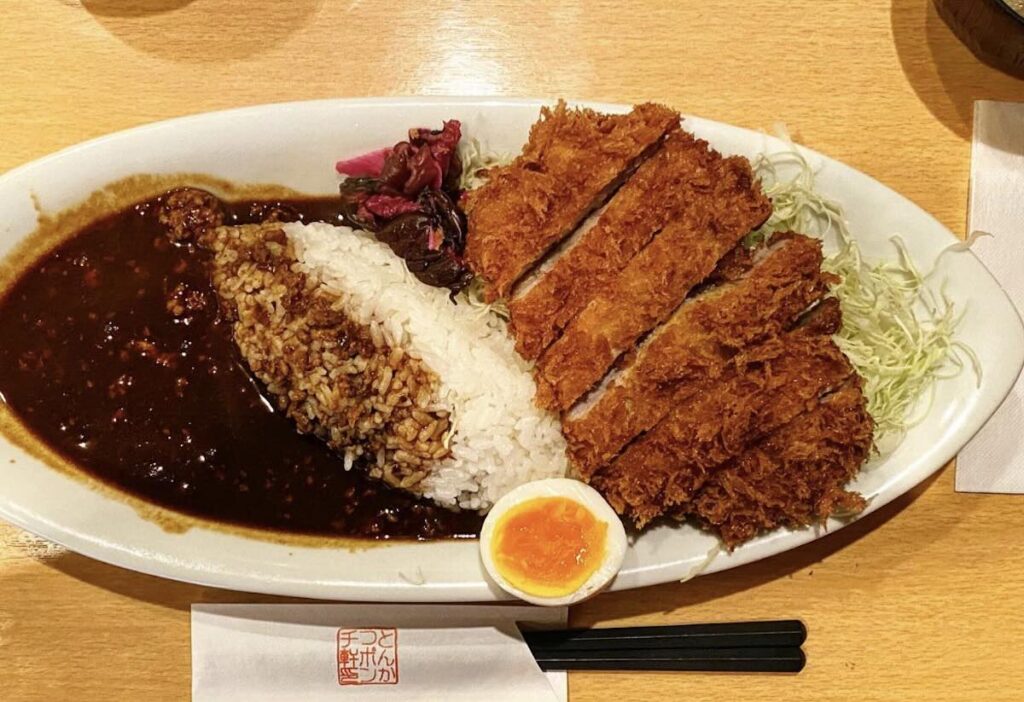
Ponchiken is one of Tokyo’s most consistent tonkatsu specialists, a Bib Gourmand for ten years running since 2015. The chef opened this place in 2012 in Kanda Ogawamachi, an area locally known as a tonkatsu battleground, and held his own.
The pork is hand-cut, fried slowly at low temperatures, and the breadcrumb-to-meat balance is the thing they’re famous for. Try the rosu (loin) tonkatsu set at lunch for the standard hit, or go for the beef katsu if you want something a bit different. Lunch is the cheap option, dinner is more mid-range pricing.
Pick this if you’re tonkatsu-curious and want to try one of the best, or if you’re near Akihabara/Kanda and want a proper sit-down lunch.
Tensuke
- Cuisine: Tempura
- Price: ¥1,500 to ¥2,000 per person (£8 to £11)
- Hours: Daily 11:30-14:00 and 17:00-20:30 (check ahead, hours vary)
- Booking: No reservations, walk-in only. Cash only. Counter seats only, around 10-12 seats
- Address: 3-22-7 Koenjikita, Suginami-ku
- Link: Michelin Guide listing
Tensuke is a tiny tempura counter in Koenji (a charming, low-key neighbourhood about 10 minutes west of Shinjuku on the JR Chuo line) and the order to make is the Tamago Lunch, the egg lunch, around ¥1,500 to ¥1,700. It’s a soft-boiled egg dropped into the tempura batter and fried, served on top of rice with the rest of the tempura course (shrimp, squid, white fish, vegetables) lined up on the counter in front of you. The egg is the moment, runny yolk over rice and tempura crust, and the chef does a small kabuki-style performance with the eggshells while frying it.
The owner speaks decent English, which helps with the all-Japanese menu painted on wooden planks.
Pick this if you want a memorable lunch that’s slightly off the tourist trail and you’re happy to queue for 30 to 60 minutes. The whole thing is a reminder that some of the best Tokyo experiences are in neighbourhoods most visitors never bother with.
My Top Tip! Tensuke draws long lunch queues, often an hour-plus. Going at dinner is much quieter, and on a wet weekday evening you might walk straight in. Same egg lunch, same chef, much shorter wait.
Konjiki Hototogisu
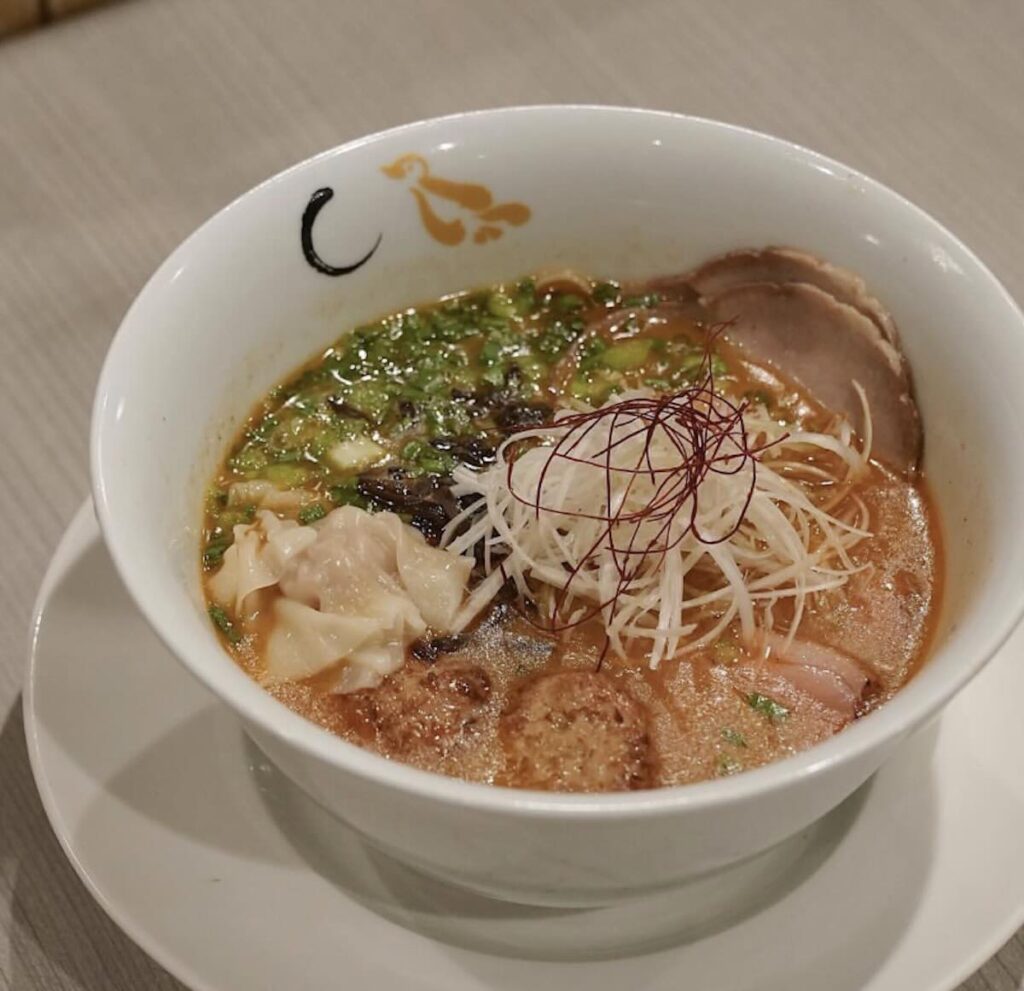
- Cuisine: Ramen (chicken/clam/seafood broth with truffle)
- Price: ¥850 to ¥1,500 per bowl (£5 to £8)
- Hours: Mon-Sat 11:00-15:00 and 18:30-21:30. Closed Sundays
- Booking: No reservations, walk-in only. Cash only via ticket vending machine. Around 8-10 seats
- Address: 2-4-1 Shinjuku, Shinjuku-ku
A previous Michelin star holder (2018-19, before Michelin restructured how it categorises ramen). Still firmly in the conversation for best ramen in Tokyo. The signature shio (salt) ramen at ¥1,000 is the order to make: a broth made from red sea bream and hamaguri clams with two types of salt, finished with Italian white truffle oil and porcini mushroom oil. It sounds extra. It is also, by every account, very good.
The ramen costs less than a sandwich does in central London. The location is a back-alley spot near Shinjuku-Gyoen park, a couple of minutes’ walk from Shinjuku-Gyoenmae station on the Marunouchi line.
Pick this if you want one of the most acclaimed bowls of ramen in Tokyo at a price that feels almost embarrassing. Be prepared to queue 45 to 60 minutes at peak times.
Ramenya Toy Box
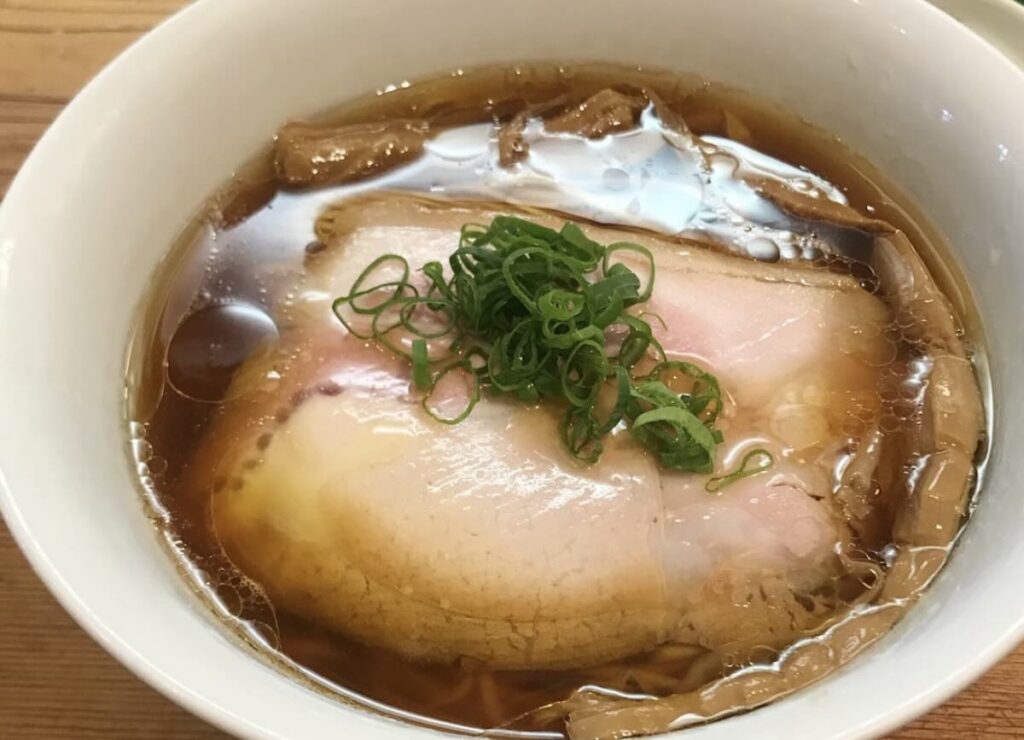
- Cuisine: Ramen (chicken-based shoyu, shio and miso)
- Price: ¥1,000 to ¥1,500 per bowl (£5 to £8)
- Hours: Weekdays 11:00-15:00 and 18:00-21:00. Weekends and holidays 11:00-15:00 only. Closed second Tuesday of the month
- Booking: No reservations, walk-in only. Cash only. 8 counter seats
- Address: 1-1-3 Higashinippori, Arakawa-ku
- Link: Michelin Guide listing
Frequently called the best shoyu (soy sauce) ramen in Tokyo, and a Bib Gourmand. The chef builds his soy-sauce ramen broth from chicken, slow-simmered at 92°C for hours, blending more than ten different soy sauces to get the depth they’re after. Toppings include sous-vide chashu, wontons, ajitama (marinated soft-boiled egg).
Order the special shoyu ramen for the full experience, or the chashu rice on the side if you’ve got the appetite. It’s a tiny eight-seat counter near Minowa station on the Hibiya line, slightly out of the way for tourists, which is part of why it’s worth the trip. Expect 40 to 60+ minutes of queue at peak times.
Pick this if you’re a serious ramen person and want to compare shoyu styles, or if you’re already exploring the older shitamachi (downtown) eastern parts of Tokyo.
L’insieme
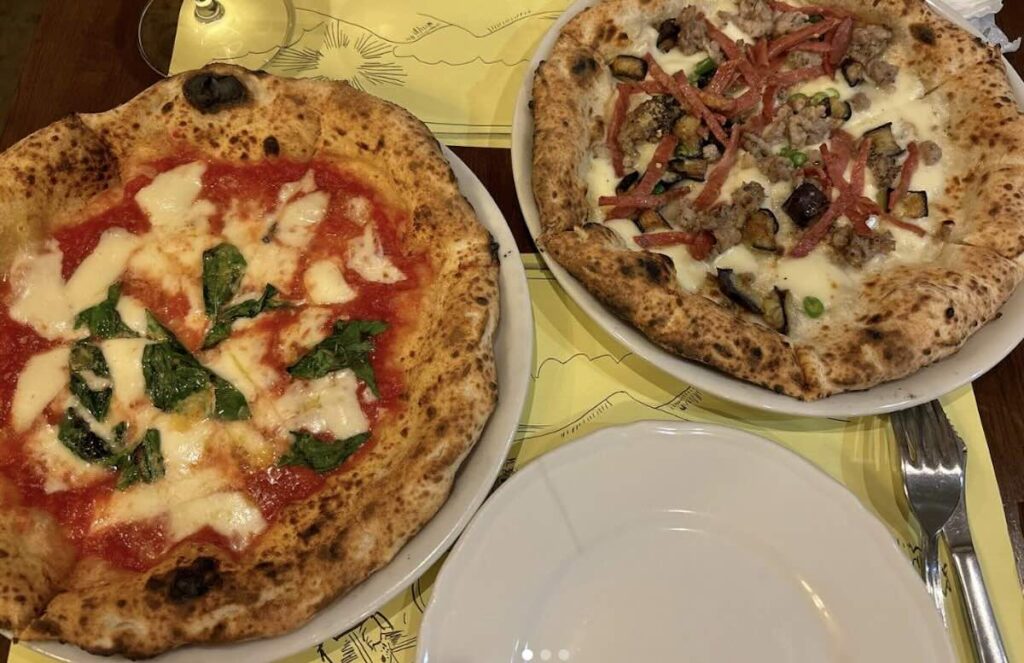
- Cuisine: Neapolitan pizza
- Price: ¥2,500 lunch (£14). Dinner runs higher, around ¥7,500 a head
- Hours: Lunch 11:30-14:00, dinner 17:30-22:00. Check website for exact closures
- Booking: Reservations recommended, especially for dinner. Cash only at lunch, cards at dinner
- Address: 1-31-7 Kameido, Koto-ku
Bit of a curveball but worth it. Tokyo has surprisingly good Neapolitan pizza and L’insieme is widely rated one of the very best, ranked in the world’s top 50 pizzerias and a Bib Gourmand since 2018. The chef has never trained in Italy, just trained for 13 years in Tokyo’s best Italian restaurants and built his own. For cheap eats, the lunch set at around ¥2,500 is exceptional: pizza of your choice plus a drink, brilliant value for a wood-fired Neapolitan pizza that’s competing with the best in Asia.
Dinner gets significantly more expensive (around ¥7,500 a head with a one-drink minimum and ¥200 cover charge), but the pizza is the same pizza, so unless you’re after the full Italian menu, lunch is the better-value visit.
Pick this if you fancy a break from Japanese food, you’re not far from Kameido station (5 minutes east of Akihabara on the JR Sobu line), and you’ve got a free lunch slot. The L’INSIEME signature pizza loaded with parmesan and rocket is the choice I’d recommend.
Get prepared for your Japan trip with my first-timer starter kit
- Break down the language barrier: key phrases and tech for an easy first trip
- How to stay connected: the cheapest data and easiest setup
- Japan on a budget: how to save money without missing the best bits
- Avoid currency fees: the best cards for spending and cash
- How much a trip to Japan costs: Totals for 7, 10 and 14 days, plus a typical day cost
- 25 apps that make your trip easier: the best free downloads
- Save 30 to 90 minutes at the airport: the free Visit Japan Web QR code
- Etiquette do’s and don’ts: what to know on your first visit
Best mid-range Tokyo restaurants
In this section: Hashimoto (unagi, Bunkyo) · Nodaiwa Azabu Iikura Honten (unagi, Minato) · Sobamae Nagae (soba and sake, Setagaya) · Tamawarai (soba, Jingumae) · Sennomago (Chinese, Suginami) · Matsunozushi (Edomae sushi, Toshima) · L’amitie (French bistro, Takadanobaba) · Yakitori SANKA (yakitori, Kagurazaka)
This is where Tokyo dining really comes into its own, in my opinion. The £20 to £50 a head bracket is where you stop trading down on portion size or comfort, and start eating at places that have either Bib Gourmand recognition, a Michelin star, or a serious local reputation that holds up year after year. You’re still not paying big money, but the gap in quality between this tier and cheaper restaurants is noticeable.
Booking varies a lot at this tier. Some places need a reservation a week or two ahead, some accept walk-ins at lunch but not dinner, one (Tamawarai) doesn’t take lunch reservations at all and you’ll need to queue. I’ve flagged the booking situation under each entry, read those before you plan.
Hashimoto
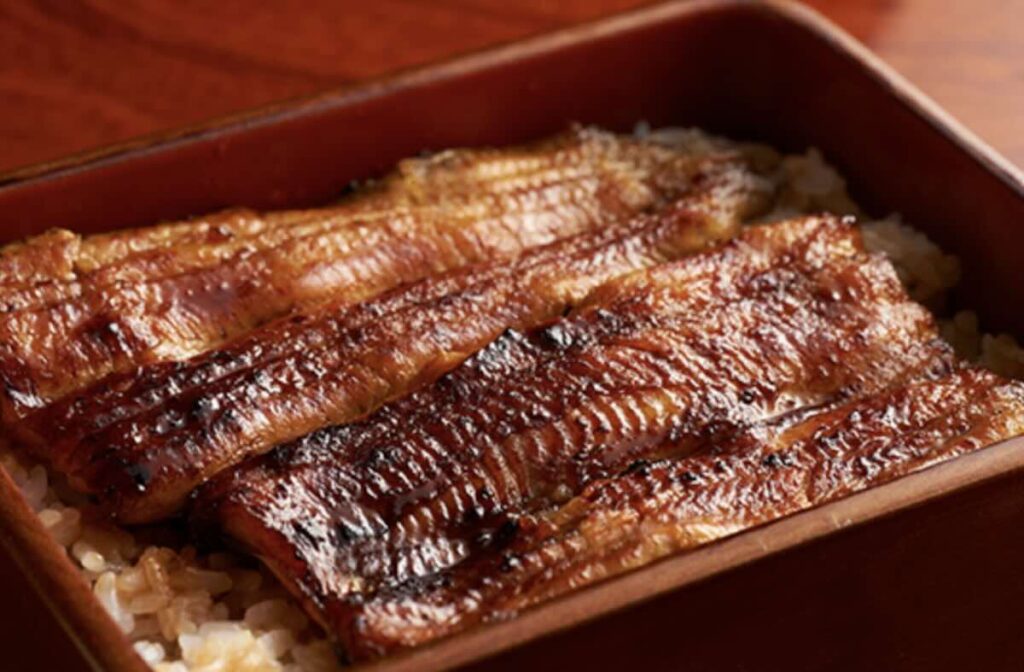
- Cuisine: Unagi (freshwater eel)
- Price: ¥3,000 to ¥6,000 for general seating unaju (£17 to £33). Course sets ¥7,040 to ¥8,690 (£39 to £48)
- Hours: Mon-Wed, Fri-Sun 11:30-14:30 and 16:30-20:00. Closed Thursdays and one Wednesday a month
- Booking: Reservations recommended but not essential, walk-ins are possible. They manage bookings directly by phone, English-speaking staff
- Address: 2-5-7 Suido, Bunkyo-ku (3 minutes’ walk from Edogawabashi Station, exit 4, on the Tokyo Metro Yurakucho line)
- Link: Michelin Guide listing
A family business in continuous operation since 1835, currently run by the sixth-generation chef. Bib Gourmand. The signage outside is two giveaways: a hiragana ‘u’ (for unagi, eel) on a hanging lantern and a noren curtain announcing ‘Founded in 1835’. Inside it’s an old-style detached house, calm and traditional, with a downstairs general seating area and tatami private rooms upstairs.
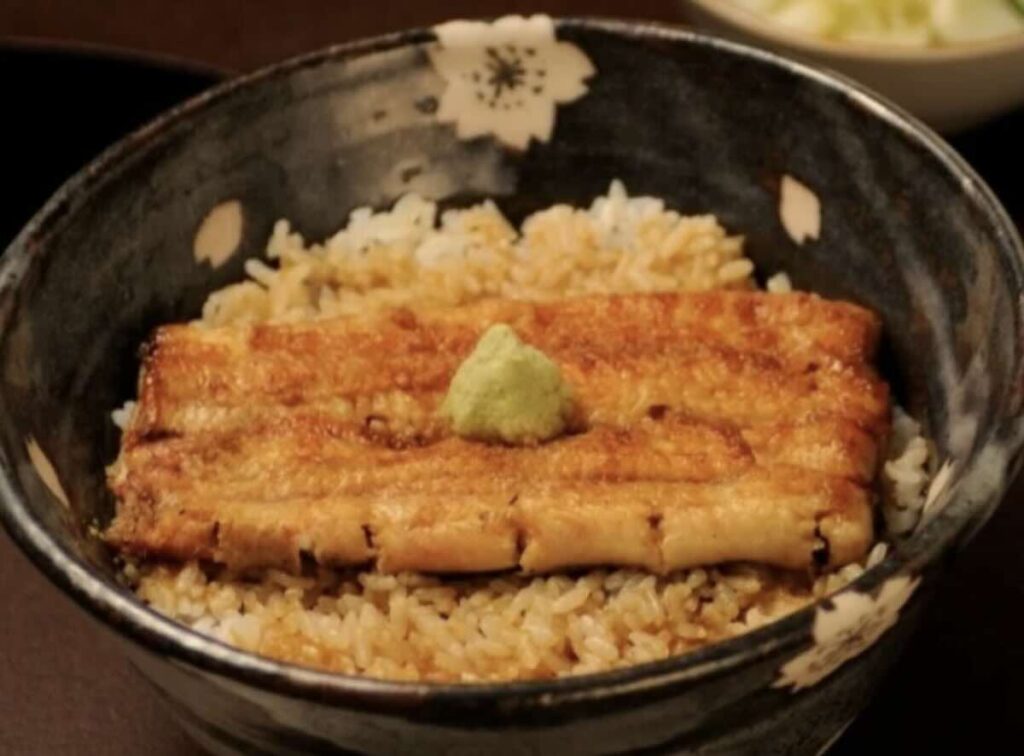
I’d recommend the unaju, grilled eel with a tare sauce that’s been refined through six generations, served on rice in a lacquered box. The eel is prepared Edo-style, steamed first to render the fat, then grilled over charcoal, which gives you a softer, more delicate texture than the Kansai style.
The basic unaju at ¥3,000 is great value, the superior at ¥4,800 gives you noticeably more eel and is what I’d actually go for. While you wait the 20 to 30 minutes the unaju takes, get a couple of skewers, the grilled eel liver and the umaki (eel-stuffed omelette) are the ones to try.
Pick this if you want one of the city’s most respected old-school eel houses without paying Michelin-star money. If you’ve never had proper unagi before, this is a great place to start.
My Top Tip! Don’t confuse this with Yaesu Unagi Hashimoto in Chuo-ku. That’s a separate, fourth-generation operation, also Michelin-recognised, also good, but it’s not the same restaurant. The 1835 family business is in Bunkyo, near Edogawabashi station.
Nodaiwa Azabu Iikura Honten
- Cuisine: Unagi (freshwater eel)
- Price: Lunch sets from ¥2,500 to ¥8,200 (£14 to £45). Course meals from ¥5,300 (£29). 10% service charge added
- Hours: Lunch 11:00-13:30 (last orders), dinner 17:00-20:00 (last orders). Closed Sundays
- Booking: Reservations strongly recommended, especially for groups and tatami rooms. Solo walk-ins are possible at off-peak times
- Address: 1-5-4 Higashiazabu, Minato-ku (5 minutes’ walk from Akabanebashi Station on the Toei Oedo line, or Kamiyacho Station on the Hibiya line, near Tokyo Tower)
- Link: Michelin Guide listing
One Michelin star. Founded in the late Edo period, over 200 years ago, and still run by the same family. The current owner-chef, Kanejiro Kanemoto, is in his fifth generation and at 97 was given the Mentor Chef Award in the 2026 Michelin Tokyo guide as the world’s oldest active Michelin-recognised chef. He’s known in Japan as one of the ‘three gods’ of Edo-style cuisine, alongside the unagi specialists who set the modern style.
The setting is a traditional wooden townhouse near Tokyo Tower, with tatami rooms, kimono-clad service and a mostly Japanese clientele. Two preparations are the centrepiece. Shirayaki is the eel grilled plain, no sauce, eaten with salt, wasabi and a touch of soy: the natural flavour of high-quality unagi, very pure and delicate. Kabayaki is the same eel basted in tare and grilled, served over rice as unaju, the classic. If you’ve never had unagi before, choose the kabayaki. Wild-caught eel is on the menu from late spring to autumn, when it’s available.
Pick this for a more refined, special-feeling unagi meal that still sits within the mid-range price bracket if you order the basic lunch unaju. If you order the dinner courses or the premium wild eel, you’ll easily push £60 to £100 a head, so this restaurant straddles mid-range and special occasion.
Sobamae Nagae
- Cuisine: Soba and sobamae (small plates with sake before the noodles)
- Price: Lunch around ¥2,000 (£11). Dinner around ¥4,500 (£25), often higher with sake
- Hours: Lunch 11:30-14:00 (L.O. 14:00), dinner 18:00-21:00 (L.O. 21:00). Closed Tuesdays
- Booking: Reservations essential. The restaurant does not accept reservations from non-drinkers, and children are not permitted. 14 seats, 10 of which are counter
- Address: 4-9-3 Todoroki, Setagaya-ku (3 minutes’ walk from Oyamadai Station on the Tokyu Oimachi line, around 20 minutes from Shibuya by train)
A specialist sobamae restaurant in a quiet part of west Tokyo, Bib Gourmand recognised. Sobamae is a Tokyo soba tradition I think a lot of first-time visitors don’t know about: small dishes with sake first, soba noodles to finish. Nagae has built the place around exactly that pairing, with over 50 sake and shochu sourced direct from breweries the owner visits regularly.
Go for the sobamae moriawase set, a sampler of the most popular small plates: grilled pork belly, grilled miso, silver-skinned fish, and itawasa (fishcake with wasabi and soy). Get a sake recommendation from the staff to go with it, the food and drink pairings are the point. Then finish with either nihachi soba (80% buckwheat, classic Tokyo style) or inaka soba (rustic, more buckwheat, stronger flavour). The kinoko nameko oroshi soba (mushroom and grated radish) is the standout if you visit in autumn.
Tamawarai
- Cuisine: Soba (buckwheat noodles)
- Price: Lunch à la carte ¥1,300 to ¥3,000 (£7 to £17). Dinner prix fixe only: ¥7,000 (Tama course) or ¥10,000 (Onden course), plus drinks. Service charge applies at dinner
- Hours: Tuesday 18:30-21:30 (L.O.) only. Wed-Fri 11:30-15:00 and 18:30-21:30. Sat 11:30-15:00 and 18:30-20:00. Sun 11:30-17:00. Closed Mondays. Closes some weeks in summer and autumn for the chef’s buckwheat harvest
- Booking: Lunch is walk-in only, no reservations accepted, expect to queue. Dinner is reservation only. Children of primary school age and below not permitted
- Address: 5-23-3 Jingumae, Shibuya-ku (5-8 minutes’ walk from exit 7 of Meiji-Jingumae Station on the Chiyoda line, just off Harajuku)
- Link: Michelin Guide listing
A 14-seat soba specialist tucked down a residential side street near Harajuku. Tamawarai held one Michelin star from 2016 to 2024 and currently sits in the Michelin Selected category for 2025 and 2026, no longer starred but still recognised. I’d argue the cooking is the same, the price hasn’t moved much, and the story is what makes it interesting either way.
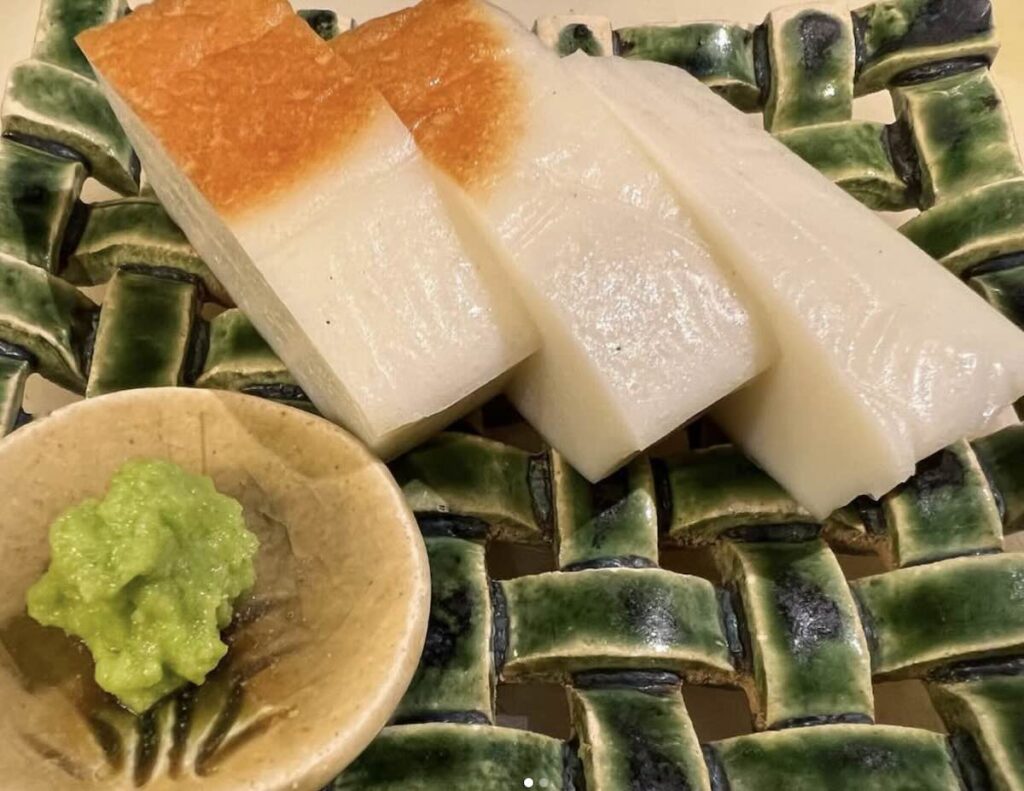
Owner Masahiro Urakawa, who trained at the legendary Take Yabu in Chiba, runs his own buckwheat field in Tochigi where he grows, harvests by hand and sun-dries his own soba. He shuts the restaurant for parts of summer and autumn to do the harvest. Inside, it’s a calm wooden room with 14 seats, an 85% buckwheat / 15% wheat blend that gives a coarse, fragrant noodle.
For lunch, I’d recommend atsumori seiro, soba dipped into a hot broth with beaten egg, or tofu soba, cold soba topped with house-made tofu and bonito flakes. Both are around ¥1,300 to ¥1,800. For dinner, the prix-fixe Tama course (¥7,000) gives you the better value, and includes sobagaki (buckwheat mash), tamagoyaki, herring simmered for six days, and two soba dishes including the atsumori seiro.
Pick this for lunch if you want a great mid-range soba experience and don’t mind a queue. If you have time and want a fuller introduction to high-end soba culture, book the dinner set menu.
My Top Tip! Lunch is walk-in, no reservations, and the queue can be 90 minutes to 2 hours at peak times. Get there for the 11:30 opening, or aim for 14:00 just before last orders, both are quieter. The restaurant closes for the chef’s buckwheat harvest at unpredictable points in summer and autumn. Always check the Tamawarai Facebook page for current opening status before you make the trip.
Sennomago
- Cuisine: Chinese (Sichuan and Shanghai)
- Price: Lunch ¥1,100 to ¥3,300 (£6 to £18). Dinner à la carte ¥4,000 to ¥7,000 (£22 to £39). Sichuan hotpot ¥7,500 (£42)
- Hours: Thu, Fri 11:30-15:00 lunch, dinner from 17:30. Sat 11:30-15:00 lunch, dinner from 17:30. Sun and holidays 11:30-14:00 lunch only. Closed Mondays, Tuesdays AND Wednesdays
- Booking: Reservations recommended. Phone 03-3390-4808. Cash only. Be on time, the restaurant cancels bookings if you’re more than 30 minutes late and unreachable
- Address: 4-4-2 Nishiogikita, Suginami-ku (7 minutes’ walk from Nishi-Ogikubo Station, north exit, on the JR Chuo line, around 10 minutes west of Shinjuku)
- Link: Michelin Guide listing
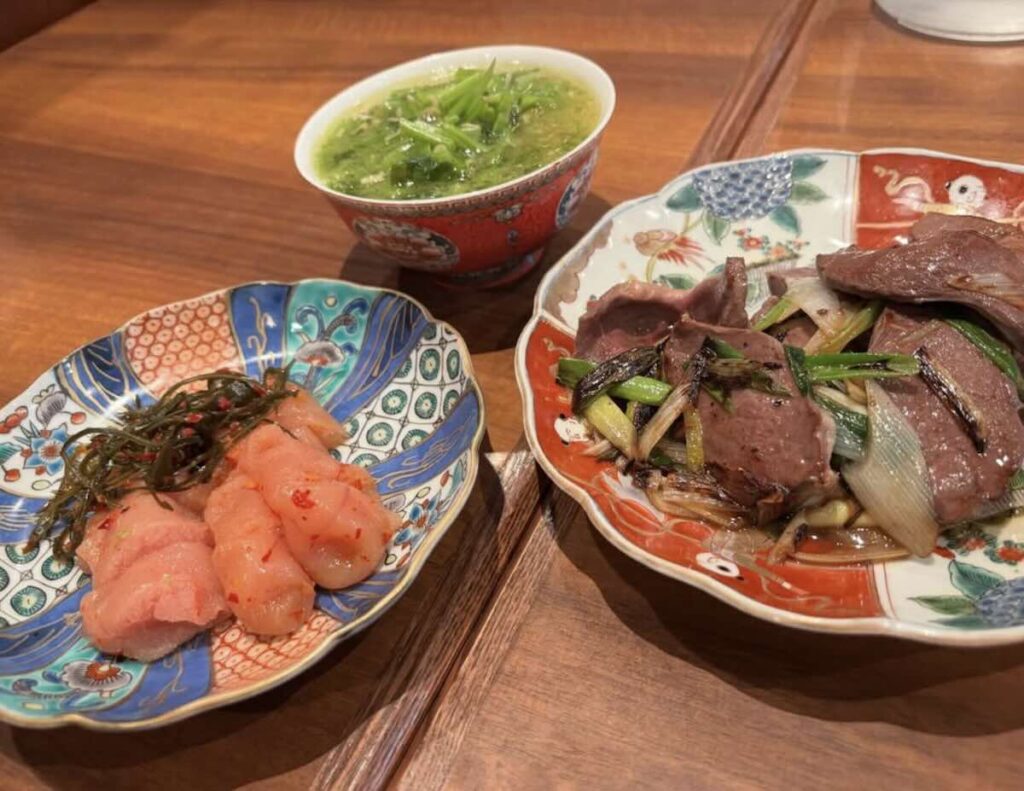
A Bib Gourmand Chinese restaurant in a quiet corner of west Tokyo, run by chef Hayata Tatsuya. The cooking philosophy is built around the Japanese saying ishoku-dogen, meaning food and medicine come from the same source. Translation: no MSG, no artificial seasonings, 20 different Chinese herbal medicines used as flavour and seasoning, four types of chilli oil, two types of scallion oil, and a soup base built from chicken bones simmered for eight hours.
The menu leans Sichuan and Shanghai. The signature is the mapo tofu, served three ways: standard Sichuan, aged doubanjiang (a fiercer, more fermented version), or with salt instead of bean paste. If you can handle heat, get the Chen mapo tofu, the proper Sichuan version, which adds both spice and the numbing tongue tingle of sansho pepper. Other standouts are the spicy chicken (yodare-dori, “drooling chicken”), pork fillet with black vinegar (the Shanghai side of the menu), and the medicinal chicken soup with collagen-rich broth. 77 different seasonal vegetables come from the chef’s father’s farm in Oita, so what’s on the plate genuinely changes through the year.
Pick this if you want excellent Chinese food in Tokyo and you’re up for the trip out to Nishi-Ogikubo. The restaurant is small and opening hours are a little unusual (three days off a week), so check before you go.
My Top Tip! The weekday lunch sets at ¥1,100 to ¥1,650 are remarkable value, the basic mapo tofu set comes with rice and soup at this price, and you can upgrade to the proper Chen mapo tofu for ¥200 more. For the lunch set, you also get the option to swap the standard soup for a medicinal one for ¥350 extra, which is the most distinctive thing on the menu and the one I’d push you toward trying.
Matsunozushi
- Cuisine: Edomae sushi
- Price: ¥¥ on Michelin (typically ¥4,000 to ¥8,000 a head), set omakase courses available, à la carte from the glass case
- Hours: Mon, Tue, Thu, Fri, Sat 17:00-22:00. Sun 12:00-14:00 lunch and 17:00-20:00 dinner. Closed Wednesdays
- Booking: Reservations recommended at this size of restaurant (8 counter seats) but no online reservation system. Phone the restaurant directly on +81 3-3951-3588. Cash only
- Address: 2-16-12 Minaminagasaki, Toshima-ku (6 minutes’ walk from Shiinamachi Station south exit, on the Seibu Ikebukuro line)
- Link: Michelin Guide listing
A small, classic neighbourhood Edomae sushi shop founded in 1969 and run by the second-generation owner-chef. Bib Gourmand since 2018. The setting is properly old-school: a glass case at the front of the counter showing today’s fish, eight counter seats, Showa-era wood and a chef who cuts and serves the sushi himself rather than running a brigade. Shiinamachi is the residential neighbourhood the restaurant is in, best known to manga fans as the site of Tokiwaso, the apartment block where Osamu Tezuka and many other now-famous manga artists lived in the 1950s.
Edomae is the original Tokyo sushi style, which evolved before refrigeration was widespread, so most of the toppings here are cured, marinated or simmered rather than served raw. Examples on the menu include kombu-cured white fish, vinegar-cured silver-skinned fish (kohada and saba), tiger prawn with oboro (sweet shrimp floss), simmered sweetened kanpyo (gourd strips) for the rolls, soy-marinated tuna, and the kurakake (saddle-style) tamago, where the egg is layered into a small cake and split over the rice. Choose the omakase option if you want the chef to lead, or order à la carte from the case if you’d rather pick.
Pick this for a properly traditional, neighbourhood Edomae sushi experience that won’t bankrupt you. The trade-off is the trip out to Shiinamachi (around 10 minutes from Ikebukuro on the Seibu Ikebukuro line).
My Top Tip! Don’t confuse this Matsunozushi with the more famous one in Omori Kaigan, which is a separate, fourth-generation 1910-founded restaurant run by Yoshi Tezuka, with omakase prices in the ¥10,000 to ¥28,000 range. They share a name, both serve Edomae sushi, and they get mixed online constantly. The Bib Gourmand one is the Toshima/Shiinamachi one.
L’amitie
- Cuisine: French bistro
- Price: Lunch sets from ¥1,300 (older menu) to around ¥3,000 (current). Dinner appetiser-and-main set from ¥2,700, typical full dinner ¥5,000 to ¥7,000 (£28 to £39)
- Hours: Lunch and dinner most days, exact hours vary. Check before you go
- Booking: Reservations open exactly one month ahead at 10:00 AM Japan time. Persistent calling may be needed for popular slots. Cash only
- Address: Shibahara Building 1F, 2-9-12 Takadanobaba, Shinjuku-ku (5 minutes’ walk from Takadanobaba Station, exit 6, on the JR Yamanote, Seibu and Tokyo Metro lines)
- Link: Michelin Guide listing
A small French bistro in Takadanobaba, Bib Gourmand since 2018 (continuously). The chef trained at a bistro in Paris, fell for the lively neighbourhood-bistro feel, and brought it back to this 24-seat room near the JR Yamanote line. The format on the à la carte menu is “for two”, so the dishes are designed to share, which makes the place a brilliant choice for a couple wanting a proper sit-down French dinner that isn’t priced like fine dining.
The standouts are the classics done right: meat terrine à la campagne, coarse-textured, properly seasoned and the dish most regulars start with. Cassoulet, the slow-cooked Toulouse stew of pork, sausage and white beans. Beef cheek braised in red wine. Choucroute, sauerkraut with pork, bacon and sausage. Duck confit, crispy skin and meat that falls off the bone. To finish, the L’amitie pudding, a smooth set custard with crumble, is the regular dessert order. The wine list is decent rather than extensive, but for a bistro at this price level it’s plenty.
Pick this if you want classic, generous French bistro food at remarkable value, or you want a break from Japanese food without paying fine-dining prices. Watch out for the booking window, slots open one month ahead at 10:00 AM and popular evenings book up in minutes, so be quick.
Yakitori SANKA
- Cuisine: Yakitori (charcoal-grilled chicken skewers) with omakase course format
- Price: 8-course omakase around ¥6,270 (£35), wine and sake pairings extra
- Hours: Tue-Fri 17:30-23:00, Sat 17:00-23:00. Closed Sunday and Monday
- Booking: Essential. Reservations open one month ahead via Table Check online, slots go fast. Cards accepted
- Address: 2F, DEAR Kagurazaka building, 64-4 Yaraicho, Shinjuku-ku (1-minute walk from Kagurazaka Station on the Tokyo Metro Tozai line)
- Link: Michelin Guide listing
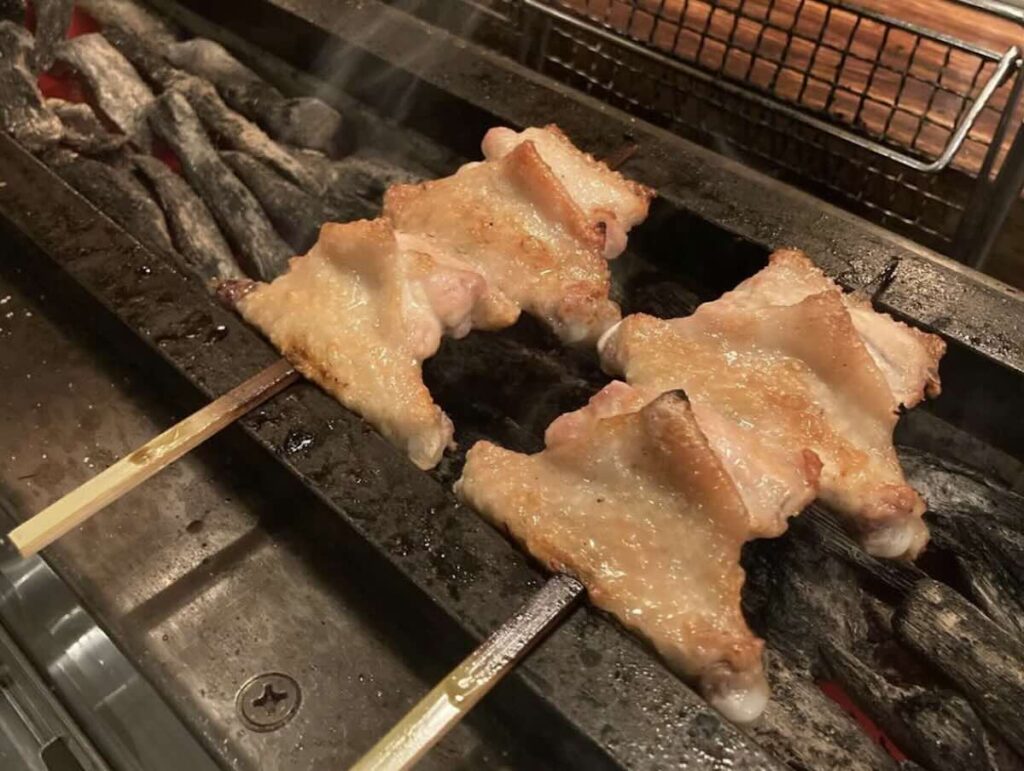
A 11-12 seat counter yakitori restaurant in Kagurazaka, Bib Gourmand recognised. The chef was a hairdresser before he was a yakitori chef, and the Michelin inspector’s line about him “applying salt with the precision of a hairstylist” is a memorable piece of Michelin writing. He sources chicken from Kochi Prefecture and elsewhere depending on the cut, dusts each skewer with sun-dried salt from Kochi, and grills over Tosa binchotan, the high-end Japanese charcoal that burns hotter and cleaner than standard. The tare, the soy-and-mirin sauce used on certain skewers, has been refined for over four years and uses both nihonshu (sake) and madeira.
The format is omakase course only at dinner: 8 skewers and a few small plates, plus a final chicken broth and tea. Standout courses include the chicken oyster (a small choice cut from the back), the chicken meatball (tsukune) with a crisp char, the chicken gizzard (a personal favourite of many regulars for the crunch), the grilled cabbage (slow-cooked over the charcoal until sweet and almost smoky), and a chawanmushi (savoury egg custard) appetiser. The owner is a certified sommelier and sake diploma holder, so the drink pairings are taken seriously. You can also bring your own wine, with a corkage fee, which is unusual for a Tokyo yakitori place.
Pick this if you want a top-end yakitori experience that still sits in mid-range pricing, and you’re happy to commit a full evening to it (the menu takes around 2 hours). It’s a great central-Tokyo option, Kagurazaka is one stop from Iidabashi and easy to reach from most central hotels.he best mid range Tokyo Restaurants
FREE GUIDE
Planning your trip to Japan?
I made a free 13-page guide that strips Japan planning down to the few decisions that matter.
No ads, instant download.
Best special-occasion and luxury Tokyo restaurants
In this section: Tempura Kondo (tempura, Ginza) · Akasaka Kikunoi (kaiseki, Akasaka) · Florilege (modern French, Azabudai Hills) · Den (modern Japanese, Jingumae) · Sushi Miura (Edomae sushi, Akasaka) · Jo (wagyu kappo, Nishiazabu)
Most travellers won’t get near Tokyo’s most famous Michelin restaurants. Booking lead times of 6 to 12 months, invite-only counters, and £400+ price tags rule a lot of them out. The good news is that Tokyo’s depth in the £80 to £250 a head bracket is genuinely world-class, and almost everything in this section is bookable through English-language platforms with 1 to 3 months’ lead time.
Dress code is smart casual at minimum. No shorts, no flip-flops. Counter restaurants in particular take a quiet, focused atmosphere seriously, so loud groups and small children are usually unwelcome.
My Top Tip! If you miss the 2-month booking window for the place you really wanted, don’t give up. Cancellation slots come through regularly, especially in the few weeks before the date.
Tempura Kondo
- Cuisine: Tempura
- Price: Lunch sets ¥6,500 to ¥8,500 (£36 to £47), longer lunch courses ¥10,000 to ¥15,000 (£55 to £82). Dinner ¥20,000 to ¥30,000 (£110 to £165). 10% service charge added at dinner
- Hours: Closed Sundays. Lunch 12:00 and 13:30 seatings, dinner 17:00, 18:00, 19:00 and 20:00 seatings (2-hour limit)
- Booking: Essential. Bookable via JPNeazy, byFood and other concierge services. Phone +81 3-5568-0923 (Japanese only). Hotel concierges can usually help
- Address: 9F Sakaguchi Building, 5-5-13 Ginza, Chuo-ku (3-minute walk from Ginza Station)
- Link: Michelin Guide listing
Two Michelin stars, continuously since 2008. That’s 18 consecutive years, which matters because tempura is one of those cuisines where consistency is the entire point. Chef Fumio Kondo has been refining his tempura for over 50 years and won the Mentor Chef Award in the 2024 Tokyo guide. He’s the chef most often credited with popularising vegetable tempura at fine-dining level, an idea that sounds obvious now but wasn’t, and it changed how the cuisine is served across Japan.
The cooking is built around an unusual idea: tempura, Kondo argues, is essentially a steaming technique. The batter and oil seal in the moisture, and the food inside cooks in its own juices rather than frying in the western sense. You’ll watch this happen at the counter, the chef adjusting oil temperature for each ingredient, often three or four degrees apart, and timing the lift out of the oil to the second. The dining room is split into two counter areas, with a smaller back area of about 8 seats that’s quieter and worth requesting.
What to order: take the tasting course rather than à la carte. The lunch sets Tsubaki and Sumire (¥6,500 to ¥8,500) are the entry-point treat and the smartest way to try the place if you’re cost-conscious. The signature pieces include the sweet potato tempura, sliced thick and fried slowly until the inside is almost custard-like, and the uni in shiso leaf, a piece many regulars come back specifically for.
Pick this if you want one of the world’s best tempura experiences. Watch out for the time limit at dinner, you’ve got 2 hours and the kitchen will pace you accordingly, so this isn’t a slow drinking dinner.
My Top Tip! Book lunch at Tsubaki or Sumire if it’s your first time. £36 to £47 a head for two Michelin stars in central Tokyo is genuinely remarkable value, and you get the same chef and the same oil.
Akasaka Kikunoi
- Cuisine: Kaiseki (traditional multi-course Kyoto cuisine)
- Price: Lunch ¥10,000 to ¥17,000 (£55 to £95). Dinner ¥20,000 to ¥30,000 (£110 to £165). 10% service charge typical
- Hours: Tue-Sat 12:00-14:00 (lunch) and 17:00-22:00 (dinner). Closed Sundays and Mondays
- Booking: Email reservations open 2 months ahead. Also bookable via byFood and JPNeazy. Cancellation: 1 week notice for full refund (3.2% transaction fee retained)
- Address: Akasaka 6-13-8, Minato-ku 107-0052
- Link: Michelin Guide listing
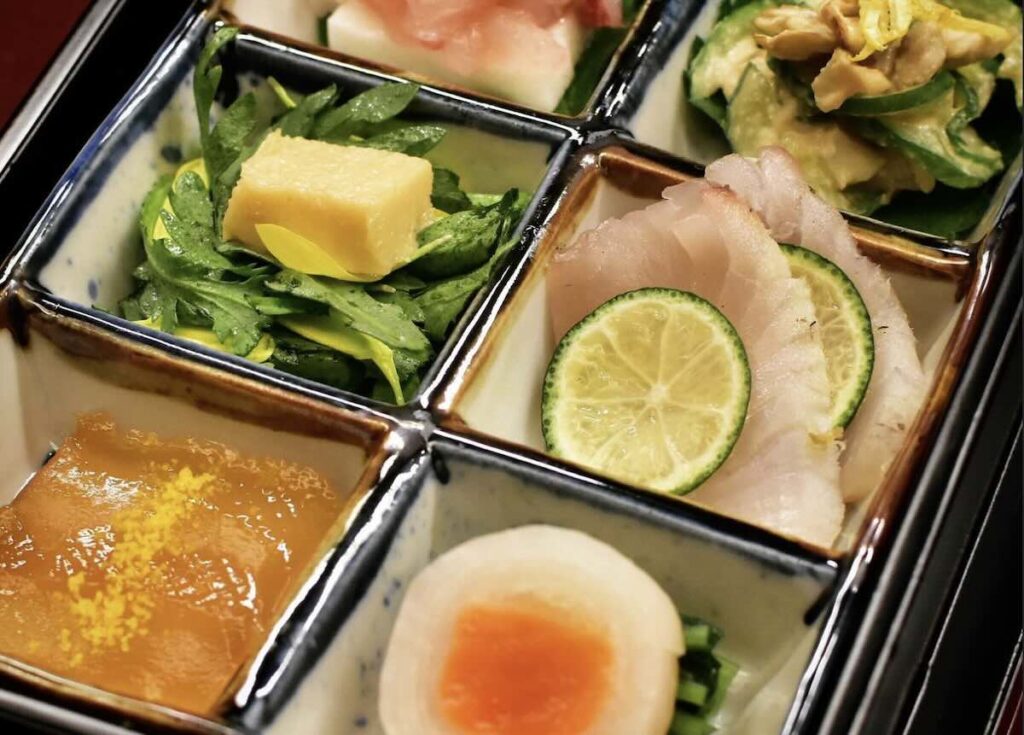
Two Michelin stars in the 2026 guide. This is the Tokyo branch of Kyoto’s three-Michelin-starred Kikunoi, founded in 1912 by the grandfather of the current chef-patron Yoshihiro Murata. Murata won the Mentor Chef Award in the 2024 Kyoto/Osaka guide and is one of the most influential figures in modern kaiseki cuisine, both for his cooking and for his work spreading Japanese culinary traditions internationally. Akasaka Kikunoi opened to bring his Kyoto cooking style to Tokyo without diners having to make the trip.
Kaiseki, briefly, is a multi-course Japanese tasting menu rooted in tea ceremony and seasonal cooking, traditionally served with each course on a different piece of carefully chosen tableware. Murata’s style, often described as “modern kaiseki”, combines four traditions: imperial palace cuisine, vegetarian shojin temple food, the formal tea ceremony, and obanzai, which is Kyoto home cooking. The result is more accessible than some kaiseki, more playful with western ingredients, and visually striking on the plate. Water and ingredients are brought in directly from Kyoto to keep the food consistent with the flagship restaurant.
The setting is split between a tatami dining room upstairs and a counter on the ground floor, plus a tea-room style space. Highlights from the seasonal menu include sea eel and tofu dumplings, snapping turtle with ginger and sakein colder months, hakusun appetiser platters with hamo (pike conger), and lily-root buns with foie gras. Tableware is part of the experience here, plates are chosen to match the season and many are antique or commissioned pieces.
Pick this if you want the Kyoto kaiseki experience without travelling to Kyoto, especially if your itinerary doesn’t include Kansai. The counter seating is rare for a kaiseki restaurant of this level, and watching the chefs work is a draw the Kyoto Honten doesn’t offer. Some reviewers find the place leans slightly commercial (Murata’s cookbook is for sale on the way out), but it remains one of the best routes into the Murata kaiseki tradition.
My Top Tip! Counter seats are hard to get because they’re limited and most regulars book them first. If you want a counter seat, ask explicitly when you book and book the moment the 2-month window opens. Tatami rooms are easier to secure but you miss the chef-watching part.
Florilege
- Cuisine: Innovative French with strong plant-based focus
- Price: Lunch ¥11,000 (£60). Dinner ¥24,000 (£130). Realistic spend with wine ¥30,000 to ¥40,000 (£165 to £220). 10% service charge added on top, taxes included in menu price
- Hours: Lunch and dinner Tue-Sat. Check website for exact seating times
- Booking: Online reservations through the restaurant’s website, bookings open 2 months ahead. Full dinner menu available at lunch on request, 1 day’s notice
- Address: 2F Garden Plaza D, Azabudai Hills, 5-10-7 Toranomon, Minato-ku
- Link: Michelin Guide listing
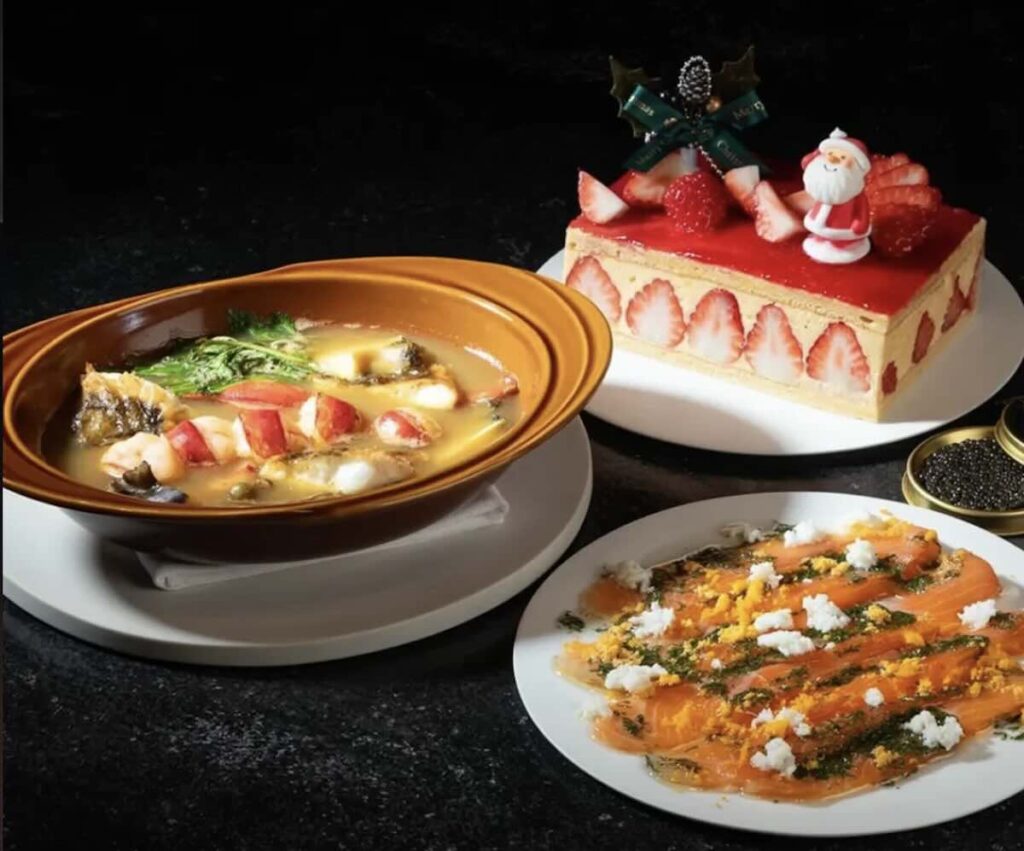
Two Michelin stars plus a Michelin Green Star, both held since 2018. World’s 50 Best #36 in 2025, Asia’s 50 Best #31 in 2026. Chef Hiroyasu Kawate trained at three-star Jardin des Sens in France and Quintessence in Tokyo before opening Florilege in 2009. The restaurant relocated in September 2023 from its original Jingumae location to a new home in the Azabudai Hills complex, a redevelopment in central Tokyo, and Kawate calls this iteration “Florilege 2.0”.
Two things make Florilege distinctive. First, the new dining format: a single 52-foot communal table wraps around an open kitchen, so every seat looks straight at the cooking. There are no tables for two, no separation between guest and chef. It’s an unusual choice for a two-star French restaurant and it changes the whole feel of the meal, which is more communal and less hushed than a typical fine-dining room. Second, since the relocation, the menu has shifted to a strongly plant-forward focus with sustainability built into the cooking, which is what earned the Green Star. Diners choose between a “MEAT” or “VEGGIE” main course at booking, and even the meat option leans heavily on vegetables across the rest of the menu.
The signature dishes include Sustainability: Beef, made with 13-year-old breeding cows that would otherwise be discarded as too old to eat, foie gras with hazelnut meringue, and Just Like the Apple Pie, an evolving signature dessert that’s Kawate’s homage to the McDonald’s apple pie of his childhood. Seasonal Japanese vegetables drive most of the menu and the cooking changes regularly. Pairings include alcoholic and non-alcoholic options, and the non-alcoholic pairing is unusually well-executed, often based on infusions and house-made shrubs.
Pick this if you want innovative French-Japanese cooking with a sustainability story, and you like the idea of the communal kitchen-side table. The lunch at ¥11,000 is one of the most accessible two-star French meal in Tokyo, particularly if you can get the full dinner menu served at lunch (worth requesting). Watch out for additional charges, water and tea are charged separately and can add ¥6,000 to ¥10,000 a couple, which has caught people out at the bill.
My Top Tip! Ask for the full dinner menu at lunch when you book, which is offered if you give at least 1 day’s notice. You’ll pay the dinner menu price (¥22,000) but you get a daytime seating, which is brighter, more relaxed, and lets you actually see the open kitchen and the dining room properly.
Den
- Cuisine: Modern playful Japanese (kaiseki-influenced)
- Price: Dinner ¥30,000 to ¥39,999 (£165 to £220). 10% service charge typical
- Hours: Dinner only, check current schedule. Closed Sundays
- Booking: Phone only, +81 3-6455-5433, Mon-Sat 12:00-17:00 Japan time. Bookings open exactly 2 months ahead. No online platforms by chef’s choice. Hotel concierges (Aman, Park Hyatt) sometimes have direct lines for cancellations
- Address: JIA Building, 2-3-18 Jingumae, Shibuya-ku
- Link: Michelin Guide listing
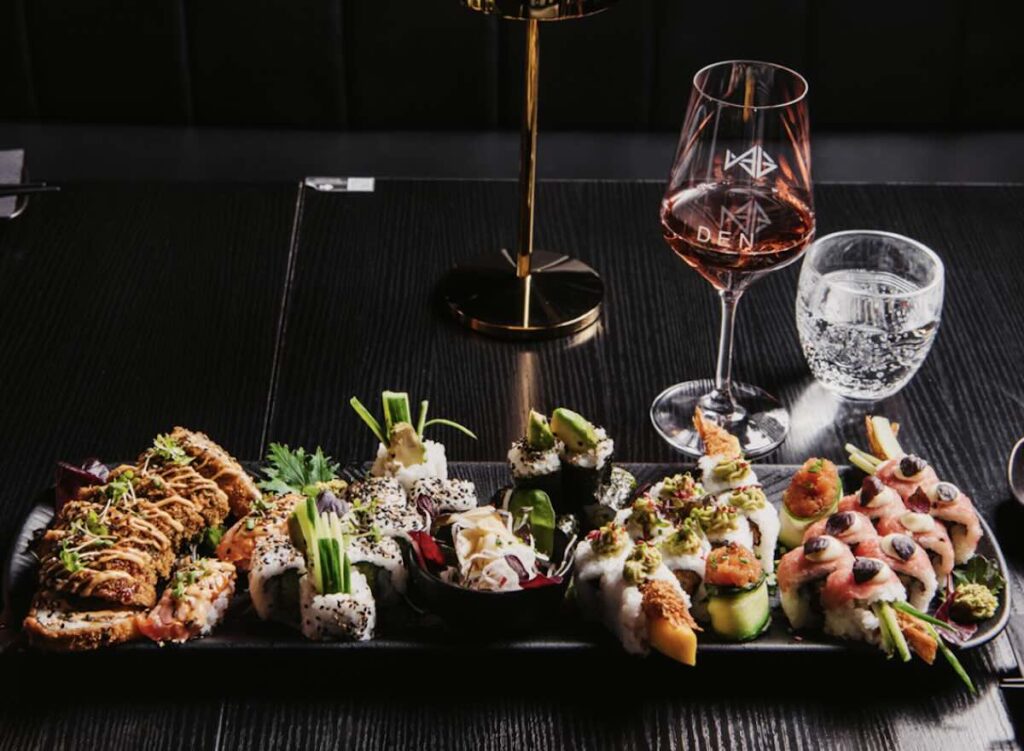
Two Michelin stars, continuous since 2018, plus a Michelin Green Star. World’s 50 Best peak #11 in 2019 and 2021, currently around #53. Tabelog Silver continuously since 2017. Chef Zaiyu Hasegawa opened Den in 2014 with his wife Emi Hasegawa, who runs the dining room. The restaurant is one of the most-cited Tokyo names in international fine-dining circles, particularly known for taking traditional Japanese kaiseki structure and injecting humour and personality into it.
Den’s defining trick is that it pulls off serious cooking without taking itself seriously. The signature dishes include Dentucky Fried Chicken, a chicken wing stuffed with sticky rice and deep-fried, served in a small box with a Colonel-style logo on the front. There’s a Foie Gras Monaka, a foie gras filling between two crisp wafers in a sandwich that looks like a Japanese teatime sweet. The Den salad has been on the menu since opening and changes with the seasons, but the joke is in the presentation: vegetables arranged to look like a small forest floor. There’s a charcoal-fired claypot rice course towards the end of the meal that’s often the dish people remember most.
The room itself is small, 18 to 20 seats, with a concrete-and-wood interior and the chef visible in an open kitchen. Service is in English, the wine list is approachable, and the meal pace is closer to a long-relaxed-evening than a formal kaiseki. Hasegawa is the chef-patron and is in the kitchen most nights, which matters because the place’s identity is so built around his sensibility.
Pick this if you want fine dining without formality, and you’re prepared to do the booking dance. Den is a celebration meal that doesn’t feel like a celebration meal, in the best sense.
My Top Tip! The booking situation is tough. There’s no English-friendly online platform, the phone line opens for limited hours in Japan time, and slots go in minutes when the 2-month window opens. Your best two routes are: (1) email your hotel concierge a few weeks before your trip and ask them to call on your behalf the day the window opens, or (2) keep refreshing the phone line for cancellation slots, which do come through. Don’t waste effort trying to book through aggregator sites, the chef has explicitly opted out of them.
Sushi Miura
- Cuisine: Edomae sushi (with kaiseki-influenced appetisers)
- Price: Single omakase course around ¥27,000 (£150). Drinks extra
- Hours: Dinner from 18:00, closed Mondays. Check current schedule when booking
- Booking: Bookable via OMAKASE Japan Eatinerary (English platform, official Michelin partner). Phone +81 90-8894-0020. 8 counter seats
- Address: 6-19-46 Akasaka, Minato-ku (down a small alley off the main road, look for the lantern. 7 to 8 minutes’ walk from Akasaka, Roppongi or Nogizaka stations)
- Link: Michelin Guide listing
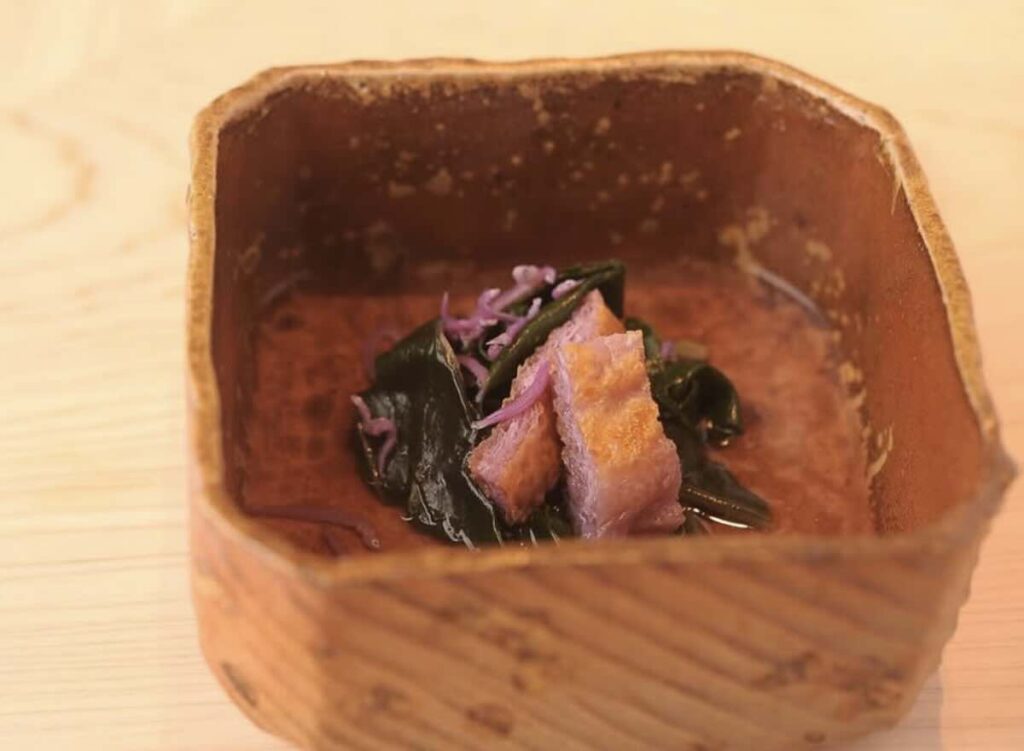
A new entry in the 2026 Michelin Tokyo guide, awarded one star at the September 2025 announcement. This is the most recent addition to the special-occasion section here and arguably the most interesting, because of the chef’s background. Kenta Miura trained for 13 years at the two-star Akasaka Kikunoi (the kaiseki restaurant a few entries above this one), then spent a year at sushi specialist Sushi Namba Hibiya, then opened his own restaurant in Azabu-Juban before relocating it to Akasaka in April 2023.
That kaiseki-then-sushi training shows up directly on the plate. The omakase course (the single option, around ¥27,000) opens with 7 tsumami, small appetiser plates that lean on Miura’s Kyoto-cuisine background. Recent meals reported in detail by serious sushi-counter trackers include hamaguri chawanmushi (clam savoury custard), grilled ebodai with ponzu, sawara nanban-yaki (vinegar-marinated grilled mackerel), and amadai with grated radish and yuzu. Then come 11 nigiri, with the strongest pieces being the kohada (gizzard shad, a traditional test of any Edomae sushi chef), kasugodai kobujime (kelp-cured young snapper), and kuruma ebi (a sweet steamed prawn). The course closes with owan (a clear soup) and tamago.
The rice is unusual: a blend of this year’s and last year’s harvests, which gives a slightly drier, sweeter finish that lingers. The room is calm, eight seats at a counter, with a calligraphy scroll above the chef reading Jikishin, meaning “true heart”, a gift from his mentor.
Pick this if you want a 2026-stamped Michelin sushi experience that you can actually book in English without months of lead time. The price is the most accessible of any of the well-known Edomae one-stars, and the kaiseki-cuisine appetisers give the meal a depth that pure sushi-omakase places sometimes lack. Watch out for the location, the alley entrance and small lantern make the restaurant easy to walk past, leave 10 minutes more than you think you need.
My Top Tip! Sushi Miura is a useful pairing with Akasaka Kikunoi if you’re staying in central Tokyo and want two strong special-occasion meals on the same trip. Miura trained for over a decade at Kikunoi, so booking lunch at Kikunoi and dinner at Miura (or vice versa) lets you taste the same chef DNA expressed in two different cuisines. They’re a 10-minute walk apart in Akasaka.
Jo
- Cuisine: Niku kappo (multi-course Japanese cuisine focused on wagyu beef)
- Price: Dinner omakase ¥33,000 (£180). With wine pairing ¥45,000 (£245). Lunch course ¥16,500 (£90), special lunch omakase ¥33,000 (£180). 10% service charge added, tax included
- Hours: Two dinner sittings most nights, lunch select days. Closed irregularly, check before booking
- Booking: Tablecheck (English), OMAKASE Japan Eatinerary, Tabelog. Phone +81 3-3486-2929 for solo bookings. Same-day reservations sometimes available, phone before 15:00 for dinner
- Address: B1F Barbizon 73, 2-24-14 Nishiazabu, Minato-ku (12 minutes’ walk from Roppongi Station, or take bus #1 or #88 from Roppongi-eki-mae to Nishiazabu)
- Link: Michelin Guide listing
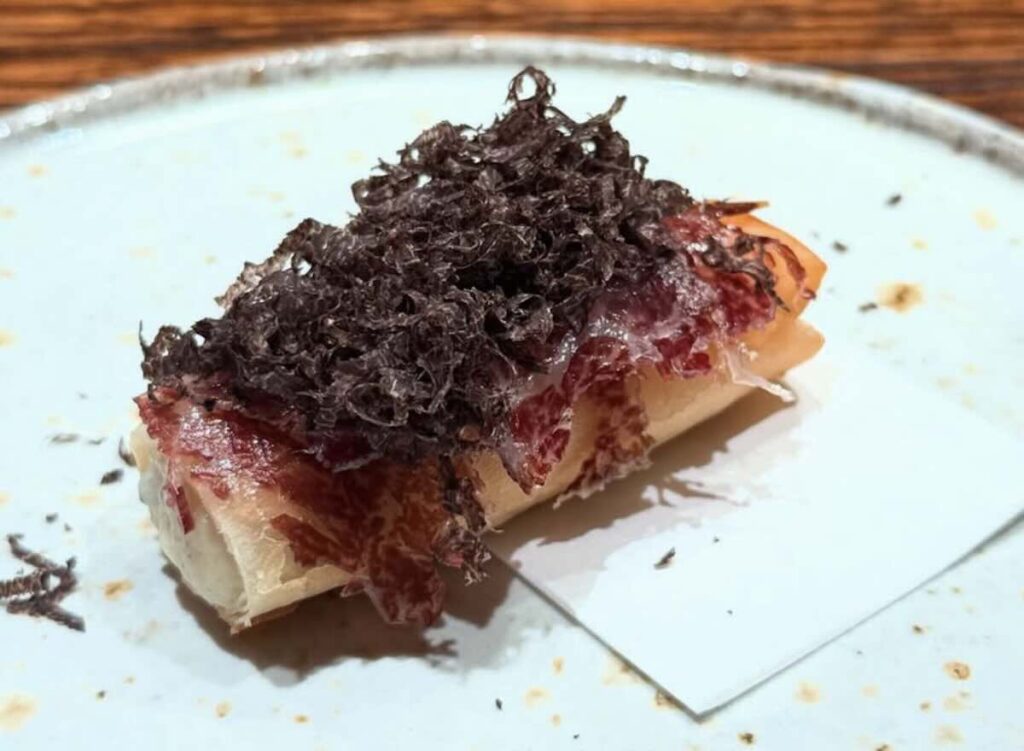
One Michelin star, continuous since the 2019 Tokyo guide. Featured in Michelin’s 2025 list of must-try wagyu restaurants in Tokyo. Run by the Sangue group, who also operate the Ushigoro chain of yakiniku restaurants, but Jo is not yakiniku. It’s niku kappo, which is a multi-course Japanese chef-led format (like kaiseki) with the menu structured around different cuts and preparations of wagyu beef. The whole meal is paced like a tasting menu, no DIY grilling at the table, the chef cooks every dish in front of you at the counter.
The format is what makes Jo different from the rest of Tokyo’s wagyu scene. Rather than a yakiniku restaurant where you grill premium cuts yourself, you get a 12 to 14 course progression that shows what’s possible with wagyu when a serious chef takes responsibility for the cooking. Tajima beef (the breed that becomes Kobe beef) is the main protein and the chef rotates through Western and Japanese techniques: rib roast served as nigiri sushi, chateaubriand reimagined as a katsu sandwich, sirloin shaved thin and shabu-shabu’d in dashi, fillet grilled rare over binchotan charcoal, slow-grilled beef tail with a cleaner finish than the cut usually delivers. Earlier in the meal you’ll often get a mini donburi with raw beef, hairy crab, uni, white shrimp and caviar, mixed up at the table and eaten in a few mouthfuls.
There are two seatings a night, and the menu paces around the second seating’s start time, so the final steak and rice course lands at the same moment for the whole room. The room is small, six counter seats and a 4-seat private room. Wine list leans expensive, with most reds well over ¥10,000 a bottle, so factor that in or stick with sake.
Pick this if you want the best of Tokyo’s wagyu scene without going down the yakiniku route, or if a fine-dining beef-focused tasting menu sounds more interesting than a traditional kaiseki. It’s also one of the more bookable starred restaurants in Tokyo, with same-day slots sometimes available, which is rare at this level.
My Top Tip! Lunch at ¥16,500 is one of the genuine under the radar deals in Tokyo Michelin dining. You don’t get the full dinner menu, but you do get the chef, the donburi-style course, the steak, and the ice cream finish, in about 1 hour 45 minutes. If you’re trying to fit a Michelin-starred meal into a packed sightseeing day, this is the place.
FREE GUIDE
Planning your trip to Japan?
I made a free 13-page guide that strips Japan planning down to the few decisions that matter.
No ads, instant download.
Frequently asked questions about eating in Tokyo
Budget around £40 to £80 a head per day for one cheap eats meal, one mid-range meal, and snacks in between. Add £80 to £200 a head for a special-occasion dinner on top. Tokyo is genuinely cheaper than London for everyday meals.
For cheaper meals, no booking needed, just queue. For mid-range, book a week or two ahead. For Michelin-starred restaurants, book the moment your flights are confirmed.
Most starred restaurants open reservations exactly two months ahead, often at 10:00 AM Japan time, and the most-wanted slots go in minutes. Set a phone alarm for the right Tokyo time and have your booking platform login ready.
Konjiki Hototogisu in Shinjuku is my pick. The signature shio ramen, a sea bream and clam broth finished with white truffle oil, is a previous Michelin star holder and costs less than a London sandwich.
Expect to queue 30 to 60 minutes at lunch peak. Going at 11:00 or 14:00 cuts the queue to nothing. If you’re a serious ramen person, Ramenya Toy Box in Minowa is the better pick for a traditional shoyu bowl.
Yes, but with caveats. Dashi, the base stock for most savoury Japanese dishes, is almost always made with bonito flakes, so a lot of dishes that look vegetarian aren’t. Try the website happy cow, it’s free and has an excellent directory of vegan and vegetarian options.
A Michelin star recognises exceptional cooking. A Bib Gourmand recognises high-quality cooking at a reasonable price, capped at around £30 per person for three courses excluding drinks in Tokyo. The 2026 Tokyo guide has 160 starred restaurants and 114 Bib Gourmands.
Yes. From this article, L’amitie in Takadanobaba is a Bib Gourmand French bistro at remarkable value, L’insieme in Kameido is a top 50 pizzeria with a lunch set around £14, and Sennomago is a Bib Gourmand Chinese spot in Suginami.


15 Comments
Comments are closed.