
The Hakone loop, also called the Hakone Round Course, is the classic 7-step circuit that links the Tozan train, cable car, ropeway and Lake Ashi cruise into one easy day.
My guide gives you the exact order to follow, realistic timings, whether the free pass is worth it, simple boarding and time saving tips and quick fallbacks if the weather works against you! By the end of reading you will be armed with everything you need to know to plan your trip.
TL;DR Hakone Loop initerary at a glance
This is the “traditional” way to do the loop, anti clockwise. You can just as easily go clockwise, we did this on our first trip, I explain a little later how to choose the right direction for you.
- 7 steps: Hakone-Yumoto → Gora (Tozan train) → Sounzan (cable car) → Owakudani (ropeway) → Togendai (ropeway) → Lake Ashi cruise → Motohakone/Hakone-machi → return.
- What it is the Hakone loop: The classic route most visitors follow
- Start time: Early is better, arrive at Hakone-Yumoto (or your first stop) about 09:00.
- How long does it take: 6–8 hours relaxed; 4–5 hours is achievable.
- How to get around: Hakone Freepass covers the loop various types of transport, as well as discounts on some sights.
- Weather changes: Wind may pause the ropeway or the ship; winter hours are shorter.
FREE GUIDE
Planning your trip to Japan?
I made a free 13-page guide that strips Japan planning down to the few decisions that matter.
No ads, instant download.
My Top Tip! Keep a one-page checklist and an offline map with all legs pinned, I provide this below. Check the status and congestion on all the transport the morning of your trip, and make any tweaks necessary.

Hakone Cheat Sheet: What these words mean
There are some common phrases you will see when researching the Hakone, here’s a simple guide to what to look out for
| Term | Meaning | Why it matters |
| Hakone Loop or Hakone Round Course | The classic loop using train → cable car → ropeway → boat | It’s the route most visitors follow |
| Cable car (funicular) | A steep hillside railway pulled by a cable | 10 minutes Gora → Sounzan |
| Ropeway | Gondola cabins hanging from a cable over the valley | Best mountain views |
| Romancecar | Odakyu’s limited-express train with reserved seats | Fast, direct Shinjuku → Hakone-Yumoto |
| JR | Japan Rail, the national railway | Good if you’ll use rail passes via Odawara |
| Hakone Freepass | One ticket that covers most loop transport | Saves money and admin at gates |
| Clockwise / anticlockwise | Which way round you do the loop | Pick based on crowds and weather |
Disclaimer: This article features affiliate links. If you click these links, and choose to book with that hotel or company, I will earn a small commission at no extra cost to you. I appreciate the support that allows me to continue providing this information
Something I hear a lot is “I don’t want to plan my own trip to Hakone, are there options for me” – there absolutely are plenty of great tour options
Getting to Hakone from Tokyo – Your 3 options
Getting to Hakone is pretty simple, you have three main ways to do it. The best option will depend on where you are staying or how you like to travel. We did our first trip to Hakone on our way from Tokyo to Kyoto and I highly recommend that if you have a longer trip in Japan.
| Route | Time | Cost (one-way) | Best for |
| Romancecar (Shinjuku → Hakone-Yumoto) | ~80-85 min | ¥2,470 | One-seat ride, guaranteed seat, those staying near Shinjuku |
| JR/Shinkansen → Odawara + Tozan → Yumoto | ~47-55 min | ¥3,500–¥4,500 | The quickest journey. JR Pass users / those staying near Tokyo–Shinagawa. |
| Highway bus (Busta Shinjuku → Tōgendai) | ~120-150 min | ~¥2,200 | One seat ride, visiting the lake first, no transfers |
1. Odakyu Romancecar (direct from Shinjuku → Hakone-Yumoto)
Time
~80–85 min, no transfers.
Cost (one way, adult)
Base fare ~¥1,270 + limited-express seat ¥1,200 ⇒ ~¥2,470. If you hold the Shinjuku-start Freepass, you still buy the Romancecar seat (¥1,200).
How to do it
- At Shinjuku (Odakyu) follow Romancecar signs/gates.
- Board your numbered seat; ride to Hakone-Yumoto.
- Walk to the Hakone Tozan entrance to start the Loop.
Why / who it’s best for
Easiest “one-seat” ride, guaranteed seat, luggage space; ideal if you’re staying near Shinjuku.
2. JR/Shinkansen to Odawara + Hakone Tozan to Hakone-Yumoto
Time
Tokyo/Shinagawa → Odawara ~35–40 min (Shinkansen) + 12–15 min Odawara → Hakone-Yumoto (Hakone Tozan rail line).
Cost (one way, adult)
Shinkansen Tokyo↔Odawara typically ~¥3,000–¥4,000 + ¥250–¥330 for Odawara → Hakone-Yumoto on the Tozan line. JR Pass covers Tokyo/Shinagawa ↔ Odawara; buy the Odawara-start Freepass for Hakone.
How to do it
- Take Tōkaidō Shinkansen from Tokyo/Shinagawa to Odawara.
- Follow Hakone Tozan Railway signs; ride 12–15 min to Hakone-Yumoto.
- Start the Loop from Hakone-Yumoto.
Why / who it’s best for
Fastest from Tokyo Station/Shinagawa. The best option if you hold a JR Pass or you’ll continue west after Hakone.
3. Odakyu Highway Bus (Shinjuku Busta → Tōgendai / Lake Ashi)
Time
About 140 min direct; departures roughly every 30–60 min.
Cost (one way, adult)
~¥2,200 Busta Shinjuku → Tōgendai (Lake Ashi). Not covered by the Hakone Freepass. Freepass holders get a Shinjuku ↔ Gotemba discount to ¥1,000 (then change to local bus for Tōgendai).
How to do it
- Go to Busta Shinjuku and board the Odakyu Highway Bus to Tōgendai.
- Arrive at Tōgendai (ropeway + lake pier hub).
- Start a clockwise loop with the lake Ashi cruise or the Hakone shrine
Why / who it’s best for
Great if you’re staying by Lake Ashi, or want one seat with no transfers, or plan a lake-first (weekend clockwise) route. Note: timings are traffic-dependent on holidays.
Get prepared for your Japan trip with my first-timer starter kit
- Break down the language barrier: key phrases and tech for an easy first trip
- How to stay connected: the cheapest data and easiest setup
- Avoid currency fees: the best cards for spending and cash
- 25 apps that make your trip easier: the best free downloads
- Save 30 to 90 minutes at the airport: the free Visit Japan Web QR code
- Etiquette do’s and don’ts: what to know on your first visit
Map of the Hakone Loop
The Hakone Freepass: What is it?
The Hakone Free Pass is your all-access ticket to the best of Hakone, in my opinion, it’s a must buy. Buy your pass here to save time. You just need to select whether you start from Shinjuku or Odawara, more on that below,
What’s included in the Freepass?
- Hakone Tozan Railway
- If you start in Shinjuku one Odakyu Line round trip between Shinjuku and Odawara (Romancecar seat is extra).
- Hakone Tozan Cable Car
- Hakone Ropeway
- Lake Ashi Sightseeing Cruise (Pirate ship)
- Buses (designated sections inside Hakone)
- Hakone Tozan Bus (incl. the KANKO SHISETSU-MEGURI tourist loop), Odakyu Highway Bus, and Tokai Bus.
Where to buy it?
On your phone (fastest and easiest): Either through EMot or directly on Klook – buy, then activate on the day and show/scan the QR at checks. Each person needs their own smartphone for a digital Freepass (one pass per device).
At a counter/machine: Odakyu Sightseeing Service Centres (multiple in Tokyo) and Odakyu/Tozan station machines (English available). Paper pass issued.
At 7-Eleven: Buy via Seven-Ticket in-store (multi-function copier) including Shinjuku-departure options.
The pass is available for 2 or 3 days. If you’re staying overnight (which I highly recommend), the 2-day pass is perfect.
My Top Tip! If you are travelling from Shinjuku, especially as a round trip, select Shinjuku start. If you have a JR Pass or are not travelling back to Tokyo, get your freepass to start from Odawara
| Version | 2-day (adult/child) | 3-day (adult/child) |
| Shinjuku-start (Extra ¥1,200 for romance car rserved seat) | ¥7,100 / ¥1,600 | ¥7,500 / ¥1,850 |
| Odawara-start | ¥6,000 / ¥1,500 | ¥6,400 / ¥1,750 |

What to Do with Your Luggage
Let’s face it, dragging your suitcase around Hakone is no fun, below I have some excellent solutions for you:
Store at the Station:
Coin lockers are a good option if you are just passing through Hakone. They come in various sizes, perfect for backpacks or small to medium suitcases. Just remember, these lockers are in high demand, especially during peak seasons. Below are your options are the key hubs on the loop, and failing that take a look at ECBO cloak for more availability.
| Location | What you’ll find | Tips |
| Odawara | Coin lockers; staff can advise on larger items | Fill early on weekends; carry cash/IC |
| Hakone-Yumoto | Coin lockers and a staffed counter for oversize bags | Good hand-off point if starting the loop here |
| Gora | Smaller bank of lockers near the station | Handy for museum stops |
Forward to Your Hotel:
Japan’s luggage forwarding service, or “takuhaibin” is an incredibly convenient option. Most hotels in Hakone are happy to receive your luggage in advance. Simply use a service like Yamato Transport (look for the black cat logo) from your previous hotel or from major transport hubs.
Your bags will be waiting for you when you check in. Just remember to send them at least a day in advance.
Drop at Your Hotel:
If you’re arriving in Hakone early, many hotels will let you drop off your luggage before check-in time. Give your accommodation a quick call or email to confirm. This option lets you start exploring right away without any baggage burden. We went with this option as our hotel was happy to accommodate.
My Top Tip! Pack a small day bag with essentials. This way, you’re not lugging around more than you need.
More of my Japan guides to plan around your Hakone trip
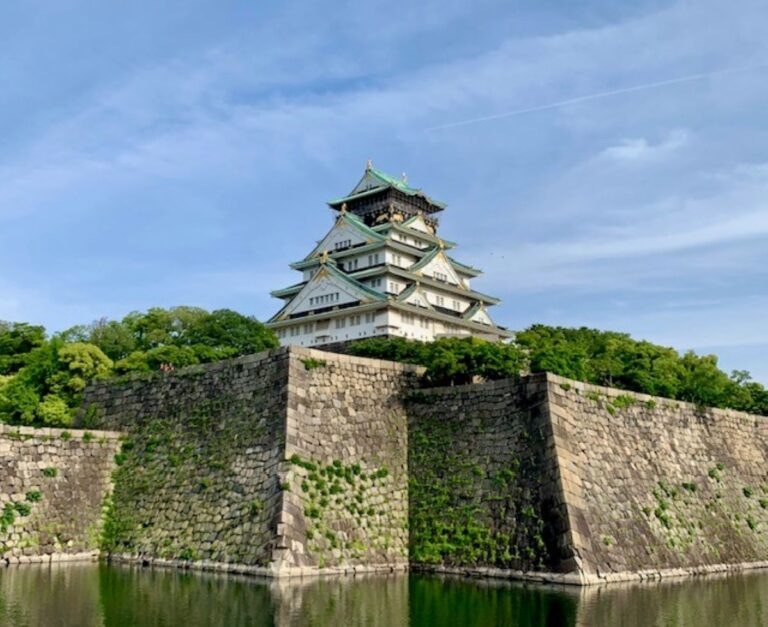
- Where to stay in Osaka — Best bases for day trips, including Namba vs Umeda.
- The best Ryokan in Hakone — Have an unforgettable stay in Hakone with a private onsen
- Tokyo 3 day itinerary — A guide to the best sights and hidden gems.
- Kyoto in 2 Days — A guide to everything you will want to do in Kyoto
- 1-day Hiroshima Itinerary — A clear plan to enjoy Hiroshima in a short visit
- Japan Two-Week Itinerary — How Hakone fits into a wider route without backtracking.
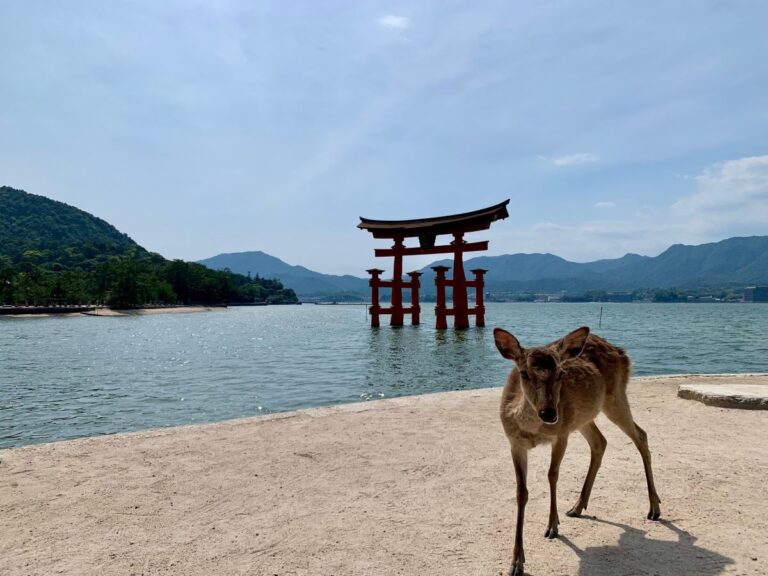
- What to do on Miyajima Island — A full guide to the best things on the island
Day 1: The Classic Hakone Loop itinerary
There are so many ways to maximise the hop on and hop off transport in Hakone that you have several options for agenda and order of sightseeing.
I have focused on the route we took (clockwise), as our ryokan was in Motohakone and we started the day by dropping our bags there (saving us lugging them around or having to store somewhere else). I really recommend spending at least one night in Hakone and this location gives a fantastic base.
My Top Tip! Before you start check the weather status and congestion on all the transport so you can tweak your order if necessary

Morning: Hakone Shrine
Start your day with a relaxed visit to Hakone Shrine. It’s just a short walk from most accommodations in Motohakone, and there’s no better way to begin your journey than with this beautiful spot and a great photo opp.
As you approach, you’ll first encounter the iconic “floating” torii gate, standing proud in the waters of Lake Ashi. This vermillion gate isn’t just Instagram fodder; it’s actually the entrance to the shrine’s lower buildings. The main shrine awaits further up the mountain, a short but scenic walk through towering cedar trees.
Dating back to 757 AD, Hakone Shrine has been a spiritual pitstop for travellers for over 1,250 years. As you explore, keep an eye out for the komainu (lion-dog guardians) statues at the shrine entrance, silently watching over visitors as they have for centuries.
My Top Tip! The shrine is also lit up at night, looking absolutely stunning. If you are staying in Motohakone, as short walk away, be sure to stroll back and check it out and bring your camera. It also tends to be a lot quieter at this time and first thing in the morning!
Late Morning: Lake Ashi Cruise
After soaking in the shrine, make your way to the nearby Motohakone boat pier. It’s time to board one of Hakone’s famous ‘pirate ships’ for a cruise on Lake Ashi, or Ashinoko as the locals call it.
These quirky vessels, inspired by medieval sailing ships, are a far cry from your typical tour boat. Named “Vasa” and “Victory”, they look like they’ve sailed straight out of a Pirates of the Caribbean film.
The cruise takes about 30 minutes, offering panoramic views of the surrounding mountains. If you’re lucky and the weather gods are smiling, you might catch a glimpse of Mt. Fuji reflecting in the lake’s mirror-like surface. Remember, Fuji-san is a bit of a diva, showing its face only about 70 days a year, so consider yourself blessed.
Your destination is Togendai pier, where you’ll disembark for the next leg of your journey.
My Top Tip! The upper deck has the best views, but the lower deck is a lot warmer if the weather isn’t great
Some additional tips:
- The boats run frequently, typically every 30-40 minutes. However, it’s always good to check the schedule at the pier.
- At Togendai, there are a few restaurants and shops if you need a quick bite or want to pick up some souvenirs before heading up the ropeway.
- Remember to keep your Hakone Free Pass handy, as you’ll need it for both the boat and the ropeway.
Midday: Hakone Ropeway to Owakudani
As you step off the pirate ship at Togendai, follow the signs to the Hakone Ropeway station. It’s just a short walk from where the boat docks. Now, prepare for some truly breath-taking views as you climb towards Owakudani in a gondola that can hold up to 18 people.
The Hakone Ropeway is one of the longest in Japan, stretching 4km from Sounzan to Togendai. As you glide upwards, you’ll be treated to spectacular views of Lake Ashi, the surrounding mountains, and on clear days, you might even spot Mt. Fuji and the Izu Peninsula in the distance.
As you approach Owakudani, the landscape changes dramatically. You’ll see steam vents and hot springs dotting the barren, moon-like terrain. Keep an eye out for the vibrant yellow sulphur deposits on the rocks – a testament to the area’s volcanic activity.
Early Afternoon: Owakudani
Stepping off the ropeway at Owakudani station, you’ll feel like you’ve landed on another planet. Welcome to the “Great Boiling Valley”! This geothermal area is a reminder of Mount Hakone’s volcanic nature, and the station itself was rebuilt in 2025 with a new glass observation deck looking straight out over the steam.
Heads up, as a lot of older guides get this wrong: you can’t wander off into the valley any more. The old path has been closed since the 2015 eruption. Instead, take in the views from the free observation terraces by the station, looking straight over the steaming vents and sulphur-stained rock. On a clear day it’s still one of the best Mt. Fuji spots in Hakone, so keep your camera ready.
There is a guided Nature Research Trail deeper into the zone, but it’s reservation-only, helmets on, about 30 minutes, and cancelled at short notice if the gas is high. I wouldn’t build a loop day around it, but interesting if you have more time in Hakone.
I recommend you don’t leave Owakudani without trying the famous “kuro-tamago” or black eggs. These are regular eggs boiled in the hot sulphur springs, turning their shells black due to a chemical reaction. Legend has it that eating one egg will add 7 years to your life. You’ll find them at the shop right by the station.

Late Afternoon: Hakone Tozan Cable Car and Railway
As the day winds down, it’s time for a scenic descent back to civilization. From Owakudani, take the ropeway down to Sounzan station, where you’ll transfer to the Hakone Tozan Cable Car.
This funicular railway connects Sounzan to Gora, covering a steep incline in about 10 minutes. Look out for the unique switchback system where the car changes direction mid-journey.
At Gora, switch to the Hakone Tozan Railway for the final leg of your journey. This is Japan’s oldest mountain railway, opened in 1919. The local train zig-zags up the steep slopes, changing direction at three switchbacks. In June and July, the tracks are lined with thousands of blooming hydrangeas, creating a stunning blue and purple corridor.
My Top Tip! Sit on the left hand side if possible for better views. The windows are big though, so don’t worry if there are no seats
Evening: Return to your base

Hakone Loop Transport time & costs
I recommend you build your plan with these typical times, then check them the day before and on the day, in case of disruption
My Top Tip: Check the time of the last boat before walking to the shrine.
| Segment | Typical duration | How often | First/Last (typical) | Covered with Freepass? | Planner note |
| Tozan Train (Hakone-Yumoto → Gora) | ~40 min | 7-15 mins at peak times | 06:12 First 17:24 Last | Yes | Very scenic. Join near the front; standing is fine. For the earliest cable car take the 08:03 from Hakone Yumoto |
| Cable car (Gora → Sounzan) | ~10 min | Every 15 mins | 08:45 First 17:55 Last | Yes | Don’t wait for a perfect car, board the next one |
| Ropeway (Sounzan → Owakudani → Togendai) | ~30-35 min for both legs | Continuous cabins | Feb-Nov 09:00-16:45 Dec-Jan 09:00-16:15 | Yes | Wind can pause the service. Go before 10:00 and it’s quieter |
| Lake Ashi Sightseeing cruise | 25–40 min | 30–40 min | 09:00 First 17:00 Last | Yes | Best views from the top deck. Check the last boat before shrine photos. Aim to be at the port by 16:30 to be safe |
Where to Stay in Hakone
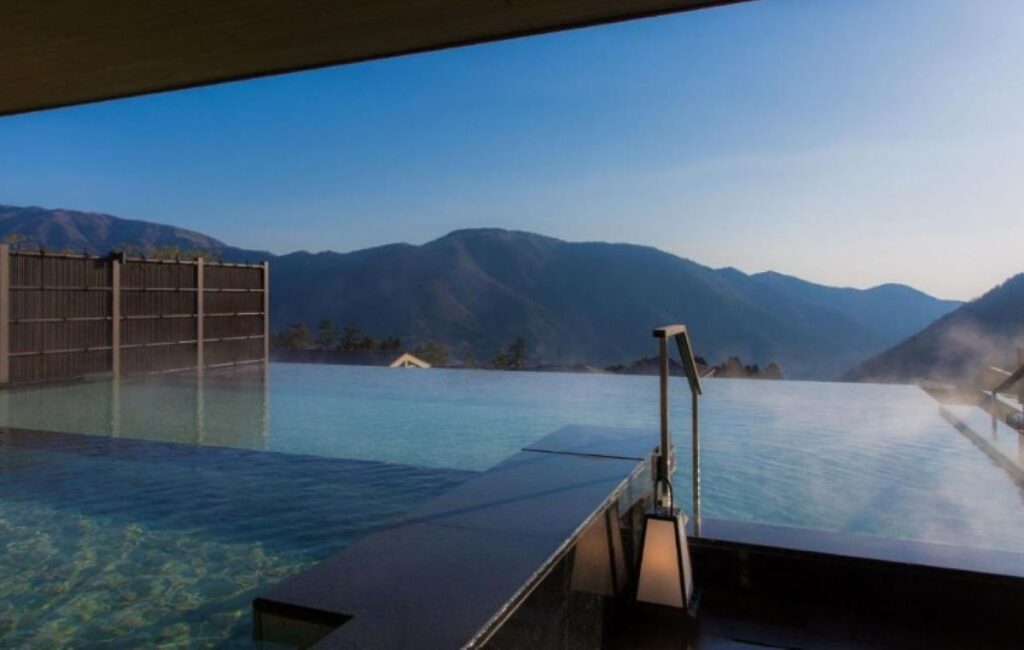
As I’ve mentioned, I really recommend staying in Hakone for at least a night on your itinerary, if not two. It allows you to explore at a more relaxed pace, see some of the areas after the crowds have gone and really maximises the experience of a very special part of Japan. We found it to be one of the highlights of our trip.
Personally I strongly recommend this being one of the places you opt for a more traditional stay. Hakone in the evening can be quite quiet, so having accommodation with a beautiful kaiseki dinner included means you have a great, and relaxing, end to a busy day, without needing to try and source somewhere for dinner. We opted for this option and were pleased we did. Here are some great options for you to consider
I have written a detailed guide on the best Hakone ryokan which will help you choose the best area and accommodation
My Top Tip: Book your accommodation well in advance, especially during peak seasons. Hakone gets busy, and the best spots fill up fast!
Quick hotel picks
Hananoyado Fukuya
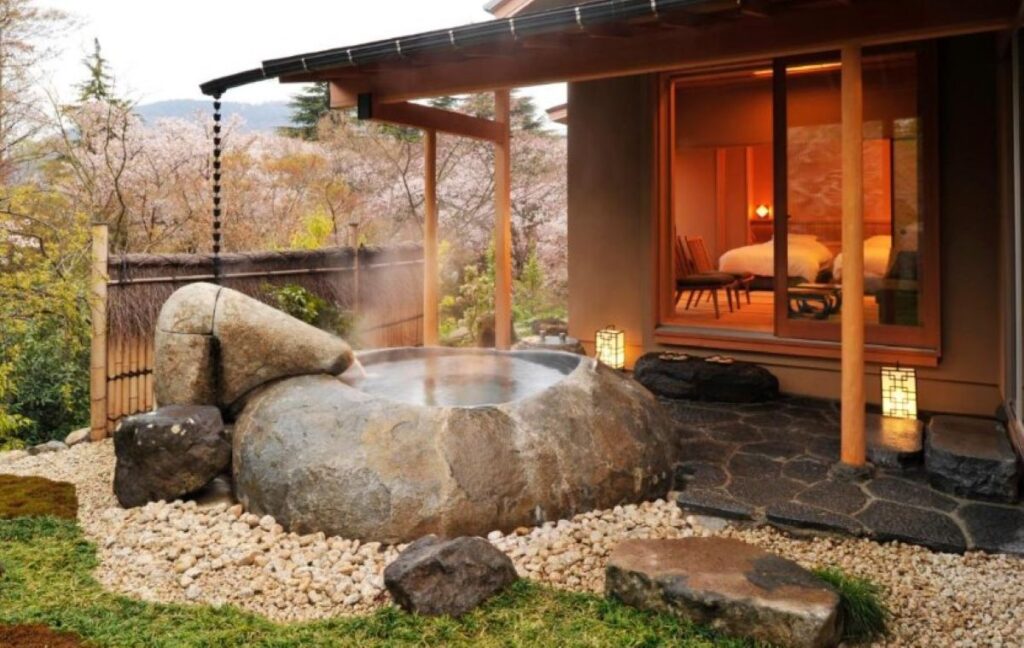
- Onsen on site and rooms available with private Onsen
- Short walk from the lake
- Fantastic traditional Japanese breakfast included
Odakyu Hotel de Yama
- Large Japanese gardens and natural hot spring baths
- Lakeside location with shuttle buses to Motohakone port
- Breakfast and Dinner included, with a choice of two restaurants. Japanese and French
RakutenSTAY FUJIMITERRACE HakoneAshinoko
- Spectacular lakeside views
- Private Onsen available with a lake view
- Aparthotel so more flexibility for families
You can find alternative accommodation options in Hakone here
TOP TIP! If you are travelling onto Osaka and Kyoto I have written guides on the best hotels for individuals and families
Day 2 Options (for those extending their stay)
Here are some fantastic ways to spend your second day if you’re lucky enough to have more time. I’ve grouped the activities together in sensible ways, but you can clearly mix and match as you see fit.
Option 1: Art and Nature

Hakone Open Air Museum
Start your day at the Hakone Open Air Museum. Opened in 1969, it was Japan’s first outdoor art museum and remains one of its most impressive. Set against the backdrop of Hakone’s mountains, the museum sprawls across 70,000 square meters of beautifully landscaped grounds.
Key things to see:
- The Symphonic Sculpture: A 18-meter tall stained-glass tower you can climb for panoramic views.
- Works by renowned sculptors like Henry Moore, Rodin, and Miró.
- The Picasso Pavilion: Housing over 300 works by the Spanish master, including paintings, ceramics, and sculptures.
My Top Tip! Don’t miss the foot bath near the central plaza – it’s filled with natural hot spring water and is the perfect spot to rest your feet while contemplating art.
Pola Museum of Art
Next, head to the Pola Museum of Art. The building itself is a work of art, designed by Nikken Sekkei to blend seamlessly with the surrounding beech forest.
Most of the structure is underground to preserve the natural environment.
Key things to see:
- Impressive collection of European Impressionist works, including pieces by Monet, Renoir, and Picasso.
- Extensive collection of Japanese Western-style paintings.
- The museum’s unique architecture, featuring long corridors of glass that let in natural light and forest views.
Fun fact: The museum uses a special type of glass that appears transparent from the inside but reflective from the outside, helping to prevent bird collisions.

Gora Park
Round off your arty adventure with a stroll through Gora Park. This beautifully landscaped French-style garden was built in 1914 and offers a relaxing end to your art-filled day.
Key things to see:
- The rose garden, particularly beautiful in June and October.
- The tropical plant greenhouse.
- The traditional Japanese teahouse, where you can participate in a tea ceremony (reservation required).
If you are feeling creative, try your hand at traditional crafts like glass blowing or pottery making in the park’s craft houses.
Option 2: History and Culture

Old Tokaido Road
Step back in time on the Old Tokaido Road. This ancient highway once connected Tokyo (then Edo) and Kyoto during the Edo period (1603-1868). The cedar-lined path between Motohakone and Hakone-Yumoto is particularly picturesque.
Key things to see:
- The ishidatami (stone paving), original stones laid during the Edo period.
- Hatajuku, a small village that retains its Edo-period atmosphere.
- Cedar Avenue: A 500-meter stretch lined with 400-year-old cedar trees.
Fun fact: The entire Tokaido Road was about 492 km long and typically took travellers two weeks to complete on foot.
Hakone Checkpoint
Visit the Hakone Checkpoint to learn about Edo-period travel restrictions and see a reconstruction of the original barrier station. This was one of the most important of the 53 checkpoints along the Tokaido Road.
Key things to see:
- Reconstructed checkpoint buildings, including officers’ quarters and a prison.
- Exhibition of Edo-period weapons and travel documents.
- Stunning views of Lake Ashi and Mt. Fuji from the upper watchtower.
Interesting fact: The checkpoint was particularly strict about allowing women to pass, as the shogunate wanted to prevent the wives and children of feudal lords from being taken as political hostages.
Amazake-chaya
Finish your historical tour at Amazake-chaya, a traditional teahouse that’s been serving travellers for over 350 years.
Key things to try:
- Amazake: A sweet, non-alcoholic rice drink that’s been served here since the Edo period.
- Mochi: Chewy rice cakes, a traditional snack for travelers.
- Take in the traditional architecture, virtually unchanged since the 17th century.
Fun fact: The teahouse has been run by the same family for 13 generations.
Option 3: Relaxation and Wellness

Tenzan Onsen
Hakone is onsen central, so why not spend a day hopping between hot springs? Start at Tenzan Onsen, with its outdoor baths surrounded by nature. It’s a local favourite known for its milky white waters rich in sodium chloride.
Key things to experience:
- Multiple outdoor baths with different temperatures and mineral compositions.
- Indoor baths including a cave-like bath and a cypress wood bath.
- Beautiful forest views from the outdoor baths.
Hakone Kowakien Yunessun
For a unique experience, visit Hakone Kowakien Yunessun, a hot spring theme park where you can bathe in green tea, wine, coffee, and even sake!
Key things to try:
- The large outdoor pool with water slides (swimsuits required).
- The “God’s Aegean Sea” pool, designed to look like Santorini.
- Unique baths like the coffee bath, said to be good for the skin due to its caffeine content.
Fun fact: The wine used in the wine bath is changed daily, using about 12 bottles per day.
Hakone Yuryo
End your relaxation day at Hakone Yuryo, where you can soak your feet in a foot bath cafe while enjoying a cup of tea and a spectacular view.
Key things to experience:
- Outdoor foot baths with beautiful mountain views.
- Private family baths available for rental.
- Traditional Japanese garden.
Pro tip: Try the yuzu (citrus) tea while soaking your feet – it’s a local specialty and perfect for relaxation.
Remember, whichever option you choose, you’re in for a treat. Hakone’s diverse attractions mean there’s always something new to discover, even on your second day!
Should Hakone be a day trip or somewhere to stay?
Hakone is a very popular day trip from Tokyo, and it is achievable for sure. However in my opinion, there is so much more to do there that spending 1/2 nights takes your experience to another level.
Staying also gives you another opportunity to see Fuji on a clear day. It’s a perfect place to soak in Onsen baths at a traditional ryokan, and wake up to mountain views that’ll make your Instagram followers weep with envy.
Best Time to Visit Hakone
Hakone is a year-round destination, but each season brings its own magic. Here’s the lowdown:
Spring (March to May): Cherry blossom alert! Hakone bursts into bloom in late March to early April. The weather is mild, perfect for outdoor exploration. Just remember, this is peak tourist season, so book early. Try my cherry blossom planning guide to make the most of it.
Summer (June to August): It’s warm and sometimes humid, with occasional rain. The lush greenery is stunning, and you might catch a glimpse of hydrangeas in June. Crowds thin out after the cherry blossom madness, but watch out for the Obon holiday in mid-August when things get busy again.
Autumn (September to November): A real favourite! The autumn colours in Hakone are off the charts, especially in November. The weather is crisp and clear, making it ideal for those postcard-perfect shots of Mount Fuji.
Winter (December to February): Chilly? Yes. Magical? Absolutely! Hakone transforms into a winter wonderland, and there’s nothing quite like soaking in a steaming Onsen while snowflakes fall around you. Plus, this is your best bet for clear views of Fuji-san.
My Top Tip! Weekends and national holidays are always busier, regardless of the season. If you can, aim for a weekday visit to dodge the crowds.
The best Fuji and Hakone tours from Tokyo
If you don’t want to take on any of the admin on your trip to Hakone there are plenty of great tour options, across several price ranges.

Tips for Maximising Your Hakone Experience
- Rise and shine: Start your day early to beat the crowds, especially at popular spots like Owakudani.
- Check the weather: Mount Fuji is notoriously shy. If you wake up to clear skies, make viewing points a priority.
- Use the Hakone Free Pass wisely: Plan your route to make the most of the included transport options.
- Learn a few Japanese phrases: A simple “arigatou gozaimasu” (thank you) goes a long way.
- Try the local specialties: Besides black eggs, Hakone is known for its yuba (tofu skin) and craft beer. I vouch for both personally!
- Bring cash: Some smaller shops and restaurants may not accept cards.
- Pack for the weather: Hakone can be cooler than Tokyo, so bring layers.
- Respect Onsen etiquette: Always wash before entering the bath, and no swimsuits allowed.
Direction & crowd strategy: clockwise or anticlockwise?
My Top Tip! I go clockwise on busy weekends to stay ahead of the ropeway queue. A lot depends on where you choose to stay
- If it’s clear: ropeway before midday; shrine after 17:00.
- If it’s windy or low cloud: museum-first (Open-Air Museum, Gora Park); ropeway later if it reopens to maximise the views.
- If ropeway queues are huge: bus Sounzan → Sengokuhara → Togendai, then boat and carry on, it helps you skip the worst of it.
What if the weather interferes: How to change your route
Hakone is known for its changeable weather, something that can both help (more chance to see Fuji no matter what it’s like when you wake up) and hinder your journey. Below I recommend some ways around this if you are unlucky (like we were on our first day there!)
- If the ropeway pauses due to wind → bus Sounzan → Sengokuhara → Togendai, take the lake boat, and continue.
- If the lake is choppy → bus to the Hakone shrine first, cruise later when it settles. Or change the direction of your trip from clockwise to anti clockwise if the weather is set in
- If you only have one day → Be flexible there is easily enough in hakone for 2/3 days, so if the weather is a pain, pick something off my Day 2 recommendations to swap in.
Heiwa no Torii: how the queue works and easy alternatives
If you want the iconic shot of you in the middle of the gate on your own, you will likely have to queue. My tips below will help make that easier:
- When to go: sunrise, pre 09:00 or after 17:00.
- How it works: one line down to the lakeside gate; staff pause it if waves rise. Weekends and holidays the wait can be longer.
- Fallback: walk the Ancient Cedar Avenue, then check back; many people leave after the last boat, so if you are staying this is a good opportunity.
My Top Tip! If you don’t want to be in the photo, you can walk up and take a shot when people are changing over, without needing to queue. Just don’t hold up the people coming in
Common mistakes when planning your loop
- Starting after 11:00: I would always advise you start earlier, however, if you cant; go clockwise and keep the shrine for late.
- Missing the last boat: bus from the lake edge, then train back.
- Lingering at Ōwakudani: cap it at 20–30 min if you want the cruise.
- Wrong pass: match your start point (Shinjuku or Odawara).
- Dead phone with digital pass: carry a portable charger; screenshot the QR and share with others or print your QR
I only have a day from Tokyo how should I plan?
Transport: Romancecar out and back
07:30–08:00 Shinjuku → Hakone-Yumoto (reserved seat) → 09:00 Tozan → cable car → ropeway → 12:00 Lake Ashi cruise → lunch at Motohakone → 14:00 shrine → bus to Hakonemachi → return to Yumoto → 17:30–18:30 train to Shinjuku.
FREE GUIDE
Planning your trip to Japan?
I made a free 13-page guide that strips Japan planning down to the few decisions that matter.
No ads, instant download.
FAQ’s about the Hakone Loop
Where does the Hakone loop start?
Most people start and finish at Hakone-Yumoto Station; the classic route shown by official/major guides begins here, but you can join anywhere on the circuit.
When does the Hakone loop open and close?
There’s no single “opening time”; the loop is a set of transports. Plan around the Hakone Ropeway (typically 09:00–16:45, shorter in winter) and the Lake Ashi cruise (roughly 09:30–17:00), while the Tozan train starts earlier and runs later.
How long does it take to do the Hakone loop?
Allow 6–8 hours at a relaxed pace (about 4–5 hours brisk) including transfers, ropeway and lake cruise.
Can you do Hakone as a day trip or half day from Tokyo?
Yes. Day trips work if you start by ~09:00 and keep moving. Half-day is possible if you prioritise (e.g., ropeway + one lake crossing) and skip some stops.
Is it better to go clockwise or anticlockwise in Hakone?
Both work. The standard is anticlockwise (Yumoto→Gora→Sōunzan→ropeway→lake), but many travellers find clockwise less crowded on busy days (lake first). Pick based on crowds, weather and where you are staying overnight.
Is the Hakone Freepass worth it?
If you’re doing the full loop (and especially over 2–3 days), yes. It covers almost all legs and adds small attraction discounts; buy Shinjuku-start or Odawara-start to match your route.
Can you see Mt. Fuji from Hakone?
Often, yes. The best chances are on clear, cool mornings from the ropeway and Lake Ashi. Visibility is frequently poor in summer, but can change quickly.
Conclusion
So there is your perfect Hakone loop itinerary. From pirate ships to black eggs, from misty mountains to soothing hot springs, we absolutely loved Hakone, it was one of the highlights of our first trip to Japan.
While you can certainly squeeze the highlights into a day trip, I hope I’ve convinced you to consider an overnight stay or even extending to two nights. There’s something magical about Hakone after the day-trippers leave.
So whether you’re soaking in an Onsen with a view of Mount Fuji, sampling local delicacies, or simply strolling through the peaceful forests, Hakone is a beautiful spot to make the most of it.
If you are heading to Osaka from Hakone, have a look at my full guide. Or take a look at my in depth accommodation guides for Tokyo, Kyoto and Osaka here


27 Comments
Comments are closed.