
If you’re booking a first trip to Tokyo and trying to decide between Haneda or Narita, the short version is this: for most travellers, Haneda is the better airport. It’s closer to central Tokyo, the transfer is cheaper and faster, and a late arrival is far less painful. Narita still wins in some cases, and I’ll cover those, but the default answer is Haneda.
TL;DR: Haneda for most first-timers
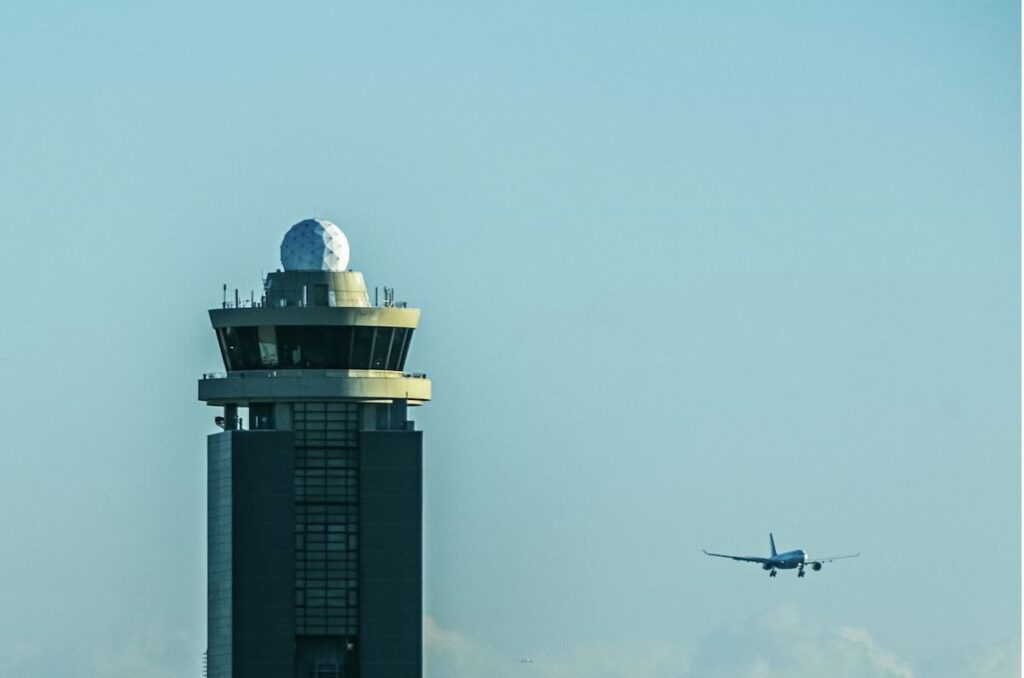
Haneda (HND) sits just south of central Tokyo, around 21 km from Tokyo Station. Narita (NRT) is roughly 60 km east in Chiba Prefecture. That distance is the main reason. A Haneda transfer is typically 30 to 45 minutes and a few hundred yen by train, a Narita transfer is closer to 60 to 90 minutes and several thousand yen.
The airlines back this up. Since 2010, when Haneda’s international terminal reopened, ANA, JAL, Delta and United have moved most of their long-haul flights from Narita to Haneda. The reason is exactly what matters to you, location.

FREE GUIDE
Planning your trip to Japan?
I made a free 13-page guide that strips Japan planning down to the few decisions that matter.
No ads, instant download.
Narita is still the right call in three cases:
- The Narita airfare is meaningfully cheaper, often the case for indirect or budget routes.
- You’re using a Japan Rail Pass and heading straight onward to Kyoto or Osaka.
- The flight times suit your trip better, which is more common than people expect.
Watch out for picking the airport on flight price alone without checking transfer cost. A £40 saving on the flight can easily disappear into an £80 train and taxi combination on arrival, when you’re at your most tired of the whole trip.
More of my Japan guides to plan around your trip
- The best areas to stay in Tokyo– Pick the perfect area to make the most of your time
- Tokyo 3 day itinerary – A guide to the best sights and hidden gems.
- Kyoto in 2 Days – A guide to everything you will want to do in Kyoto
- Perfect Hakone Loop – What to do and how to get around when you are in Hakone
- Japan Two-Week Itinerary – How to plan a wider route without backtracking.
- Kamakura day trip from Tokyo – One of the most rewarding trips from Tokyo
- Tokyo to Osaka – Bullet train, bus or flight, with times, fares and which to book
Haneda vs Narita at a glance
| Detail | Haneda (HND) | Narita (NRT) |
|---|---|---|
| Distance to central Tokyo | ~21 km | ~60 km |
| Fastest train to Tokyo Station | ~28 minutes | 53 minutes (Narita Express) |
| Cheapest train fare | ~¥530 (£3) | ~¥1,060 (£5) |
| Time to Shinjuku by train | ~50 minutes | ~1 hr 25 minutes |
| Time to Shibuya by train | ~40 minutes | ~1 hr 15 minutes |
| Time to Asakusa by direct train | ~30 to 40 minutes (Keikyu through-service) | ~50 to 55 minutes (Sky Access Express) |
| Daytime taxi to central Tokyo | ~¥8,000-¥12,000 (£41-£62) | ~¥25,000-¥35,000 (£128-£180) |
| Late-night taxi to central Tokyo | ~¥10,000-¥15,000 (£51-£77) | ~¥30,000-¥40,000 (£154-£205) |
| Last useful train to central Tokyo | ~00:00 (Monorail) | ~22:30 (Skyliner) |
| JR Pass covers airport transfer | Partly (Monorail covered) | Yes (Narita Express) |
A few things jump out. The taxi gap is huge. The last-train cut-off at Narita is almost 90 minutes earlier than at Haneda. And for any direct comparison, Haneda is roughly half the time and a lower cost.
Disclaimer: This article may feature affiliate links. If you click these links, and choose to book with that hotel or company, I will earn a small commission at no extra cost to you. I appreciate the support that allows me to continue providing this information
Getting into Tokyo from each airport: the short version
I’ve written full guides for each airport, liked below. These short summaries are just enough to compare them.
Haneda in brief
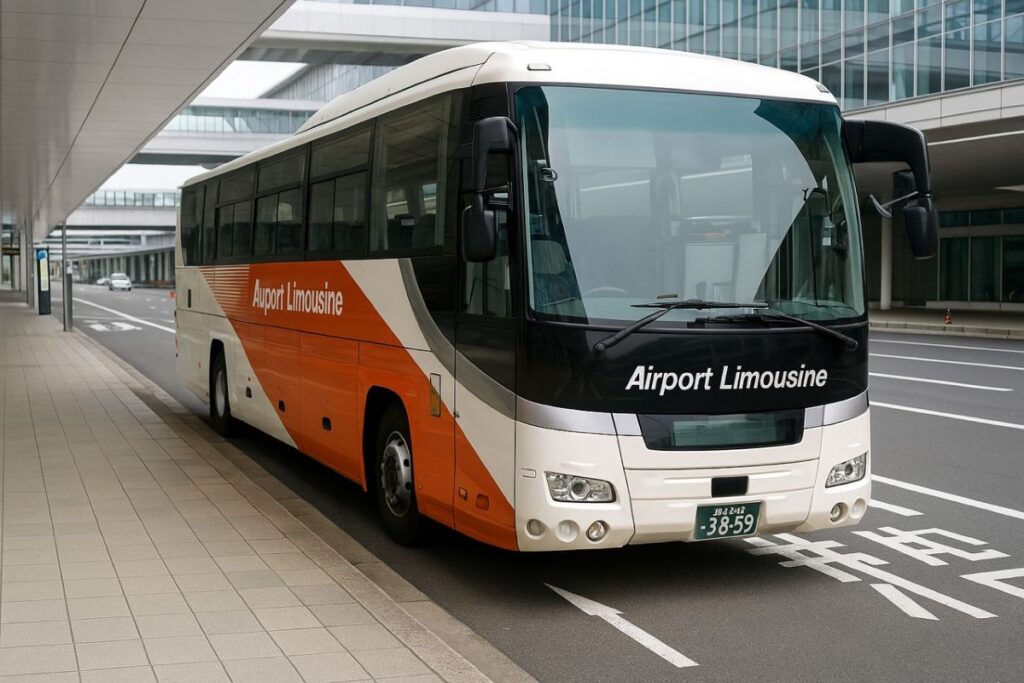
For most travellers heading into central Tokyo, the Tokyo Monorail or Keikyu Line is the right answer: about ¥500 (£3) and 30 minutes total, including a transfer to the Yamanote Line. The Limousine Bus is the easier option if you have heavy luggage or your hotel is on a direct route, around ¥1,200 (£6) and 40 to 60 minutes. Taxis are reasonable for Haneda, around ¥8,000 to ¥12,000 (£41-£62) for central Tokyo, and a private transfer with meet-and-greet is often slightly cheaper.
For full step-by-step instructions, see my how to get from Haneda Airport to Tokyo guide.
Time 30-45 minutes by train • Cost ¥500-¥1,500 (£3-£8) by train or bus, ¥8,000-¥12,000 (£41-£62) by taxi
Narita in brief
The Narita Express (N’EX) is the simplest option for Tokyo Station, Shinjuku and Shibuya, around 53 to 85 minutes depending on destination, ¥3,070 (£16) to Tokyo Station, free with a Japan Rail Pass but seat reservation required. The Keisei Skyliner is the fastest at 41 minutes to Ueno or 36 to Nippori, around ¥2,580 (£13), or ¥2,310 (£12) booked online. The Limousine Bus is around ¥3,000 (£15) and 90 minutes, useful if you’re staying at a major hotel. Taxis from Narita are very expensive and rarely worth it.
For the full breakdown, see my Narita airport transfer guide.
Time 41-90 minutes by train • Cost ¥1,100-¥3,070 (£6-£16) by train, ¥25,000+ (£128+) by taxi
My Top Tip! If you’re getting a JR Pass for onward travel to Kyoto or Osaka, activate it on arrival day so the Narita Express becomes a free transfer.
Get prepared for your Japan trip with my first-timer starter kit
- Break down the language barrier: key phrases and tech for an easy first trip
- How to stay connected: the cheapest data and easiest setup
- Japan on a budget: how to save money without missing the best bits
- Avoid currency fees: the best cards for spending and cash
- 25 apps that make your trip easier: the best free downloads
- Save 30 to 90 minutes at the airport: the free Visit Japan Web QR code
- Etiquette do’s and don’ts: what to know on your first visit
Best airport for your Tokyo neighbourhood
Where you’re staying matters more than people think. “Central Tokyo” on most comparison sites is just one neighbourhood, often Shibuya. Your hotel could be 30 minutes either side of that.
If you haven’t picked your hotel yet, my where to stay in Tokyo guide breaks down the best neighbourhoods for first-timers.
Shinjuku and Shibuya
Haneda wins clearly. From HND, the Monorail to Hamamatsucho then Yamanote Line gets you to Shinjuku or Shibuya in around 40 to 50 minutes for ¥530 to ¥730 (£3-£4). From Narita, the N’EX runs direct to both, but it takes 1 hour 15 to 1 hour 25 minutes and costs ¥3,250 (£17). The Skyliner is faster to Tokyo, but you still need to transfer at Nippori onto the Yamanote Line, so the time saving evaporates.
Tokyo Station and Marunouchi
Closer call. Haneda is around 28 minutes by Monorail plus Yamanote, ¥500 (£3). Narita has the direct N’EX at 53 minutes, ¥3,070 (£16). Haneda is faster and cheaper, but the gap here is the smallest of any neighbourhood.
Asakusa and Ueno
Narita is competitive here. The Keisei Sky Access Express runs direct from Narita to Asakusa via the Toei Asakusa Line in about 50 to 55 minutes for ¥1,310 (£7). No transfer, no luggage drag through stations. From Haneda, the Keikyu Line through-trains to Asakusa take 30 to 40 minutes for around ¥600 (£3), so Haneda is still faster, but the gap is small.
Ginza and Roppongi
Haneda again. Both are a quick Keikyu hop with a single transfer. From Narita, you’re looking at 70 to 90 minutes and a transfer or two whichever route you take.
If you do book Narita and your hotel is in Shinjuku or Shibuya, don’t take the cheapest local Keisei Main Line train trying to save money. You’ll spend an extra 30 to 50 minutes with no luggage racks and no seats during commuter hours. I recommend you pay the extra ¥1,000 for the Skyliner or N’EX, get a reserved seat and luggage space, and start your trip in a much better state.
Best airport for connecting flights within Japan
If your trip includes a domestic flight, the decision is very simple. Haneda is Japan’s main domestic hub with around 50 destinations across the country, including Sapporo, Hakodate and the rest of Hokkaido.
Flying into Haneda and connecting domestically is the simplest plan there is. It also keeps the door open for day trips like Hakone and Kamakura before you fly on.
If Osaka is the onward leg, I’ve compared the flight against the bullet train door to door in my Tokyo to Osaka guide.
If you fly into Narita, you’ll need to transfer to Haneda for almost every domestic onward flight. That’s 1 hour 25 minutes on the Airport Limousine Bus or a longer trip via the Keikyu and Narita Sky Access lines. It’s doable, but it eats most of an afternoon and adds another set of luggage to deal with.
Narita does have some long-distance bus services to northern Japan that are cheaper if you have time, but they’re slower and rarely the right call for a first-time visitor.
Late arrivals: which airport is better?
This is where the gap between the two airports really shows. Land late at Haneda and you can still get into Tokyo cheaply. Land late at Narita and your only option is a long, expensive taxi or an overnight stay.
Last trains from each airport
From Haneda, the Tokyo Monorail runs until just after midnight, with the last service at 00:01. The Keikyu Line’s last useful trains run until around 23:50. If your flight lands by 22:30 or so, you’re fine on public transport.
From Narita, the last Keisei Skyliner leaves at 22:30. The last useful Narita Express to Tokyo Station runs slightly later but services thin out fast in the evening. Land at Narita at 22:00 and you might just make a Skyliner if customs is quick, but it’s tight. Land at Narita at 23:00 and you’ve missed the lot.
Late-night taxis
A late-night taxi from Haneda to central Tokyo costs roughly ¥10,000 to ¥15,000 (£51-£77) including the 20% late-night surcharge.
A late-night taxi from Narita to central Tokyo? Anywhere from ¥30,000 to ¥40,000 (£154-£205) plus tolls. To Shibuya you’re at the high end, ¥33,000 to ¥38,000. That’s roughly the cost of a one-night hotel and three days of public transport combined.
My Top Tip! If your flight is scheduled to land at Narita after 22:00, book an airport hotel for the night and head into Tokyo the next morning. A clean ¥9,000 (£46) hotel room beats a ¥35,000 (£180) midnight taxi every time, and you start your trip rested. See my guides to hotels near Haneda Airport with free shuttle and hotels near Narita Airport with free shuttle for options at both.
When Narita is still the better choice
I’m not saying you should select Haneda without thinking, Narita is still a fantastic airport. Here are five situations where it’s still the better option for you:
- The fare difference is significant. A £200+ cheaper flight will justify the worse transfer for most people. Just be cautious with your arrival times.
- You’re a JR Pass holder going straight onward. If you’re riding the N’EX into Tokyo Station and jumping on the Shinkansen the same day, Narita’s transfer effectively becomes free.
- More carrier and route choice. Narita serves 115 airports across 44 countries, more than Haneda. If you’re flying a route Haneda doesn’t cover, or chasing a specific airline or alliance, Narita might be better.
- Lounge access matters to you. Narita has multiple Priority Pass and DragonPass lounges. Haneda has none on those networks.
- The schedule fits. A flight landing in Narita at 14:00 will always beat one landing in Haneda at 23:30.

FREE GUIDE
Planning your trip to Japan?
I made a free 13-page guide that strips Japan planning down to the few decisions that matter.
No ads, instant download.
Frequently asked questions
Narita is often cheaper, especially on indirect or budget routings. The gap has narrowed in recent years as more airlines have shifted to Haneda. Always check both before booking.
Haneda, by a clear margin. From Haneda you’ll be at Tokyo Station, Shinjuku or Shibuya in 30 to 50 minutes. From Narita, expect 60 to 90 minutes even on the fastest train.
Haneda, comfortably. Trains from Haneda run until just after midnight, and the late-night taxi is around a third of what you’d pay from Narita. If your flight lands after 22:00, this alone is a reason to favour Haneda.
Yes, and it’s often a sensible move when fares or schedules don’t line up. The two airports are linked by the Airport Limousine Bus (¥3,600, around 65 to 110 minutes) and through-trains via the Keikyu and Narita Sky Access lines (¥1,850, around 90 to 110 minutes). For the full breakdown, including when to overnight at Haneda instead, see my Narita to Haneda transfer guide.
Narita, if you’re travelling in economy and rely on Priority Pass or DragonPass. Both airports have excellent ANA and JAL lounges for premium-cabin passengers. For everyone else, Narita has more lounge options.
No. The Narita Express is ¥3,070 one way, the JR Pass is ¥50,000+ for seven days. A pass only makes sense if you’re doing significant onward travel, typically Tokyo plus Kyoto and Osaka or further.
Haneda is around 21 km from Tokyo Station. Narita is around 60 km from Tokyo Station, in Chiba Prefecture rather than Tokyo proper.


11 Comments
Comments are closed.