
A lot of people ask me whether you can really do Japan on a budget, the best ways to save money and which costs you can cut without missing the things you came for. You can, and most of the saving comes from how you travel, how you eat and where you sleep rather than from skipping the experiences.
We’ve done Japan both ways, from a konbini dinner carried back to the hotel on a jet-lagged night to ryokan stays with every meal included, so I know which savings you’ll notice and which you won’t.
My best food tip is a simple change to when you eat out, and it gets you into the restaurants you’d want to try for much less. I also tell you when the hotel breakfast is worth paying for, because we’ve paid for it on some trips and skipped it on others. And since cutting the wrong things risks making your experience worse, I’ve named the three I’d pay full price for every time.
More of my Japan guides to plan around your trip
- Kamakura day trip from Tokyo — One of the most rewarding trips from Tokyo
- Tokyo 3 day itinerary — A guide to the best sights all planned on a downloadable map.
- How many days in Osaka — A ready made itinerary for the best things to see in Osaka
- Kyoto in 2 Days — A guide to everything you will want to do in Kyoto
- Perfect Hakone Loop — What to do and how to get around when you are in Hakone
- Japan Two-Week Itinerary — All my tips to make the most of two weeks in Japan
Biggest savings at a glance
| Saving | Roughly how much | Where it’s covered in my guide |
|---|---|---|
| Single train tickets instead of a 7-day JR Pass, Tokyo to Kyoto and back | about ¥22,000 (£105) | Getting between cities |
| Highway bus instead of the bullet train, Tokyo to Kyoto | up to about ¥10,000 (£48) one way | Getting between cities |
| Hostel instead of a 3-star hotel in Tokyo | about ¥15,500 (£74) a night | Where to stay |
| Platt Kodama instead of a reserved Nozomi, Tokyo to Kyoto | about ¥3,000 (£15) | Getting between cities |
| Keisei train instead of the Narita Express from Narita | about ¥2,000 (£10) | Getting between cities |
| Travelling in January instead of August | about £500 per person on a London to Tokyo return, with cheaper hotels on top | When to go |
Disclaimer: This article may feature affiliate links. If you click these links, and choose to book with that hotel or company, I will earn a small commission at no extra cost to you. I appreciate the support that allows me to continue providing this information
FREE GUIDE
Planning your trip to Japan?
I made a free 13-page guide that strips Japan planning down to the few decisions that matter.
No ads, instant download.
When to Go to Japan for Lower Prices
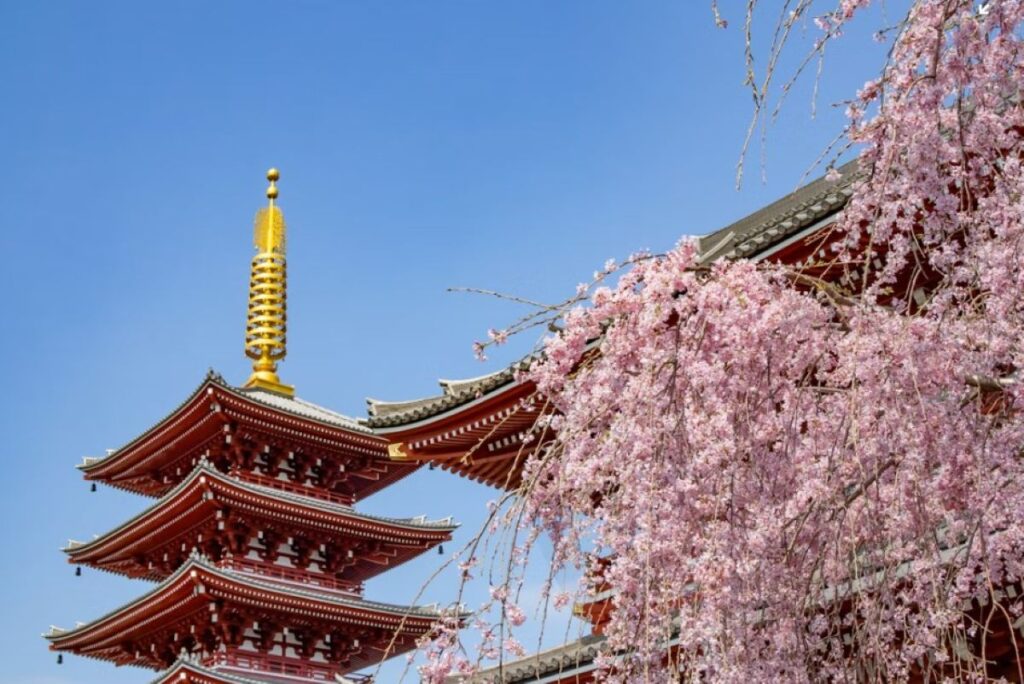
The single biggest thing you can make a saving on is the time of year you choose to go to Japan. It will reduce everything in price, especially your big ticket items like flights and hotels.
Periods to Avoid if You’re Watching Costs
Cherry blossom season, roughly 20 March to 10 April, is the busiest and most expensive window of the year. My cherry blossom planning guide covers when to book and how to keep your plans flexible.
Golden Week, several Japanese public holidays in a row in late April and early May, pushes prices up again because much of the country travels at the same time.
The autumn leaves season in October and November is the third peak.
Our first trip overlapped with Golden Week in Tokyo. Booking everything well in advance made it manageable, and the week after it finished felt noticeably quieter with the same nice weather.
The Cheapest Months to Go
January is the cheapest month overall, for both flights and Tokyo hotels, and August is the most expensive. It’s cold, so pack warm layers.
If you’d rather have milder weather, my own pick is May or October. You get more reliable weather and slightly less crowds, and costs sit a little below the blossom and autumn peaks. My month-by-month Japan guide goes through every month.
The Cheapest Time to Fly to Japan
Flights from London to Tokyo average about £627 return in January, against £1,124 in August and £1,095 in July. Mondays are the cheapest day to fly and Saturdays the most expensive, at 13% above average. If you’re flying from elsewhere, check a fare calendar for your own departure airport before you fix your dates.
My Top Tip! Watch out for locking in a non-refundable room months ahead and then seeing the price drop nearer to the time. Book with free cancellation, and check again a few weeks before you travel.
How to Save on Trains and Getting Between Cities

Long journeys are the biggest transport cost of a Japan trip, and no single ticket is cheapest for everyone. Add up the long journeys on your route first, then compare.
Is the JR Pass Worth It?
The Japan Rail Pass (JR Pass) is a ticket for overseas visitors that gives you unlimited travel on JR trains, including most bullet trains (the shinkansen), for a set number of days. The 7-day pass costs ¥50,000 (£240), the 14-day ¥80,000 (£384) and the 21-day ¥100,000 (£480) on the official JR Pass site. It doesn’t cover the fastest Nozomi and Mizuho bullet trains without a special extra ticket.
The pass paid for itself on our first trip, before the big price rise in October 2023. Now I wouldn’t buy one for a typical first trip.
Take the most common first journey, Tokyo to Kyoto: a reserved seat on the Nozomi costs about ¥14,000 (£67) one way, so a return is about ¥28,000 (£134), well short of the ¥50,000 pass. You’d need several more long journeys inside the same seven days for it to come out ahead.
If you do buy one, buy it on the official site, because from 1 October 2026 overseas agents charge more for the same pass. My guide to whether the JR Pass is worth it works through three common routes with the full sums so you can calculate if it would be a saving for you.
Single Tickets and How to Book Them
For the classic first trip of Tokyo, Kyoto and Osaka, single tickets win comfortably vs the JR pass. An unreserved seat from Tokyo to Kyoto is cheaper again at ¥13,320 (£64), and Tokyo to Osaka is on the same line for a similar fare. My Tokyo to Osaka guide has the full fare table. Short trips between neighbouring cities cost very little on local trains.
My Top Tip! I’d book single tickets on Klook or smartEX (JR Central’s own booking site), so the tickets come as QR codes. You skip the ticket office queue and scan straight through the gate.
The Cheaper, Slower Bullet Train
The Platt Kodama is a discounted package from JR Central for the Kodama, the bullet train that calls at every station along the route. On Monday to Thursday departures outside peak seasons it costs ¥10,960 (£53) from Tokyo to Kyoto, ¥11,360 (£54) from Tokyo to Shin-Osaka and ¥9,000 (£43) from Tokyo to Nagoya, and includes a drink e-voucher or a local coupon. The catch is time: the Kodama takes about four hours to Kyoto, against about 140 minutes on the Nozomi.
You can book from one month ahead until 23:30 the day before you travel. You can’t change the booking afterwards, and you have to stay on the train you booked.
| Option, Tokyo to Kyoto | Journey time | Typical cost | Best for |
|---|---|---|---|
| Nozomi, reserved seat | about 140 minutes | about ¥14,000 (£67) | Most first-timers |
| Unreserved seat | about 140 minutes on the Nozomi | ¥13,320 (£64) | Travelling light off-peak |
| Platt Kodama | about 4 hours | ¥10,960 (£53) Monday to Thursday | Saving money and still riding the bullet train |
| Highway bus | about 7 to 8 hours | ¥4,000 to ¥10,000 (£19 to £48) | The lowest fare, if time doesn’t matter |
The JR EAST PASS
If your trip stays in one part of the country, a regional pass costs less than the national one. The JR EAST PASS covers JR trains in the north of Japan’s main island, including the Tohoku Shinkansen from Tokyo to Sendai and Shin-Aomori. It can’t be used on the Tokaido Shinkansen to Kyoto and Osaka, so it won’t help on the classic first-timer route. There are Kansai and Hiroshima versions too, which I cover in the JR Pass guide.
Cost ¥35,000 (£168) for 5 days or ¥50,000 (£240) for 10 days
The Hakone Freepass
For Hakone, the local pass is the one worth having. The Hakone Freepass covers Hakone’s train, cable car, ropeway and Lake Ashi boats, which is most of what you’ll use there. We came out well ahead on ours, and my Hakone Loop guide shows the route.
Cost ¥7,100 (£34) for 2 days from Shinjuku

The Seishun 18 Ticket
The Seishun 18 Ticket gives you unlimited travel on JR local and rapid trains anywhere in Japan, but not on the shinkansen or limited express trains. That works out at about ¥3,300 (£16) a day on the 3-day version. The catch is speed. Tokyo to Kyoto takes roughly nine hours on local trains, with several changes, against about 140 minutes on the Nozomi, so it only makes sense if you’ve got time to spare.
The days have to be consecutive and the ticket is for one person only. It’s also only valid in set school-holiday windows: the next one is 11 December 2026 to 11 January 2027, with sales from 27 November 2026. Anyone can buy it at most JR stations, whatever their nationality or age.
Buses and Budget Flights
Highway buses connect the big cities for a fraction of the shinkansen fare. Between Tokyo and Kyoto they take about 7 to 8 hours and cost between about ¥4,000 and ¥10,000 (£19 and £48) depending on how much comfort you pay for, with both daytime and overnight services. Willer Express has an English booking site, and JR’s own overnight buses start from about ¥3,500 (£17) on the basic four-seats-a-row coaches. A night bus also saves you a night’s accommodation, but you arrive very early, usually before you can check in.
Time about 7 to 8 hours • Cost typical ¥4,000 to ¥10,000 (£19 to £48)
For long journeys, such as Tokyo to Hokkaido or Okinawa, low-cost airlines including Peach and Jetstar Japan are worth comparing with the train. If you’re flying to Japan with Japan Airlines (JAL) or All Nippon Airways (ANA), ask about domestic flights booked on the same ticket, as both airlines offer savings on internal flights bought that way.
My Top Tip! Only compare a flight with the train once you’ve added the cost and time of getting to and from both airports, because short routes can stop looking cheap when you do.
Getting In From the Airport
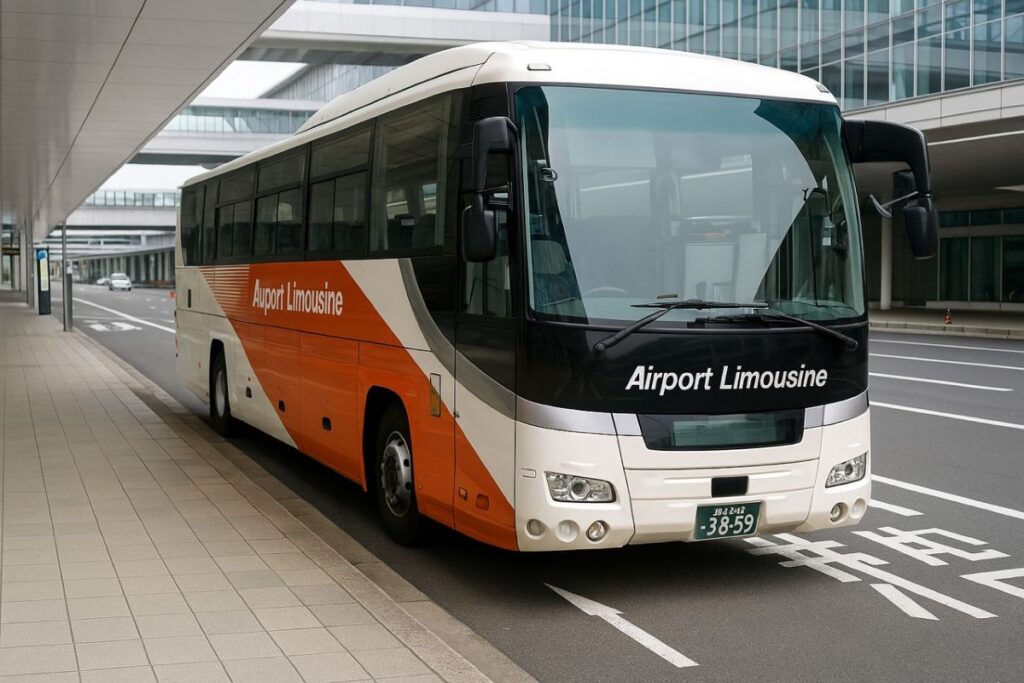
Haneda is the cheap airport to land at: the Keikyu Line reaches Shinagawa in about 15 minutes for ¥330 (£2). From Narita, the cheapest ways into Tokyo are the Keisei Main Line at about ¥1,100 (£5) or the Airport Bus TYO-NRT at ¥1,500 (£7) in the daytime, rather than the Narita Express at about ¥3,100 (£15).
I still recommend you pick the flight on price and flight times over prioritising an airport, and my Haneda vs Narita guide helps choose your airport if they are similar cost. My Narita transfer guide and Haneda transfer guide compares every way into the city from both the major airports.
My Top Tip! Look at flying into Tokyo and home from Osaka. It can cost a little more than a standard return, but it saves you a day, and a train fare, going back to Tokyo just to catch your flight. It’s how I route my two-week Japan itinerary.
Getting Around Japan’s Cities for Less
There are a few good tips to save both money and effort on transport in the key cities.
IC Cards
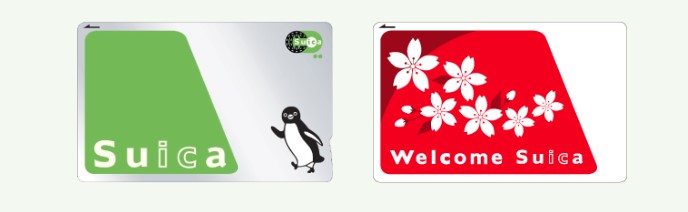
An IC card is a travel card you load with money. You tap it on the reader at the ticket gate or on the bus and the fare comes off automatically, so you never need to work out which ticket to buy.
I used Suica on my phone for every local journey, and it’s free to add to Apple Wallet. That’s simpler than the tourist versions, and it doesn’t expire. My best apps for Japan guide shows how to set it up.
Day Passes in Tokyo, Kyoto and Osaka
The Tokyo Subway Ticket gives overseas visitors unlimited rides on all Tokyo Metro and Toei subway lines for 24, 48 or 72 hours. A single Tokyo Metro journey costs ¥180 to ¥330 (about £1 to £2) depending on distance, and a little less on an IC card, so the 24-hour ticket pays for itself at about five or six rides in a day.
Cost about ¥1,000 (£5) for 24 hours, ¥1,500 (£7) for 48 hours or ¥2,000 (£10) for 72 hours
Kyoto’s Subway & Bus 1-Day Pass costs ¥1,100 (£5) and covers the subway and city buses. The Osaka Amazing Pass costs ¥3,500 (£17) for one day or ¥5,000 (£24) for two, and combines unlimited Osaka Metro and city bus travel with free entry to about 40 sights. It pays off if you pack several of those sights into the day.
Cost about ¥1,100 (£5) for the Kyoto 1-Day Pass, ¥3,500 (£17) for the Osaka Amazing Pass
A day pass only pays off on a day with lots of journeys. If you’re spending the day walking one area, pay as you go on your IC card.
Walking and Taxis
Walking saves more than any pass. Around Shibuya you can cover the Crossing, Harajuku, Meiji Shrine, Yoyogi Park and Omotesando on foot in a day, and you’d barely need a train.
Taxis make most sense when time is tight or your feet have had enough. In Kyoto, I’d take one short taxi between the northern temples, such as Ryoan-ji to Kinkaku-ji. It cuts 20 to 30 minutes off a route that’s awkward by bus and train, and my Kyoto in 2 days itinerary shows where it fits.
My Top Tip! Before you tap in for a one- or two-stop ride, check the walking time on Google Maps. In central Tokyo it’s often shorter than you’d think, and those short trips add up over a week.
Where to Stay in Japan on a Budget
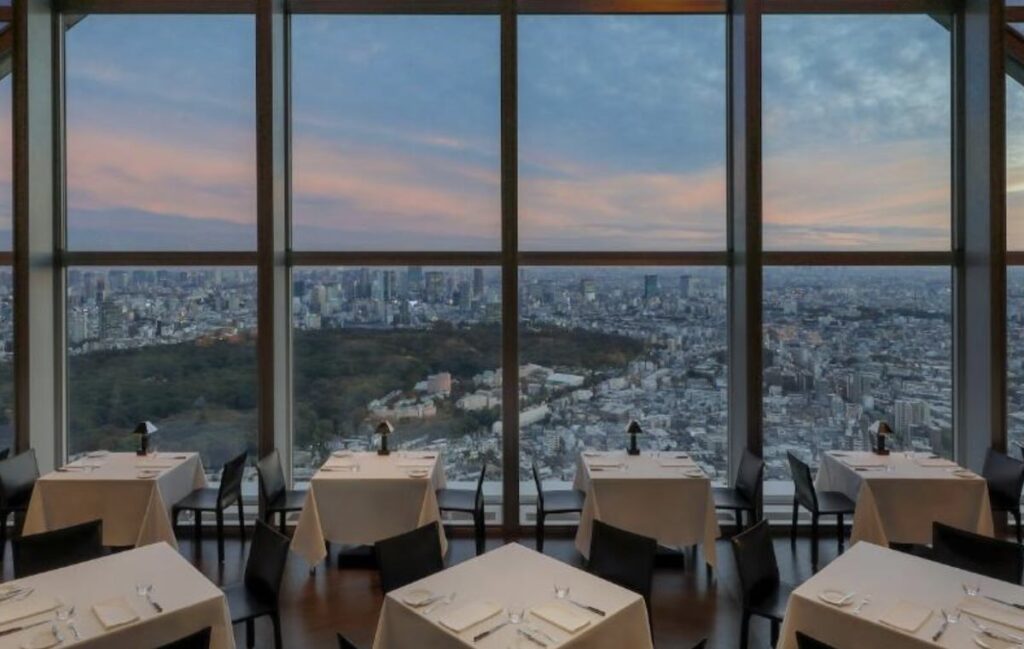
Where you sleep is one of the costs you have most control over. At the budget end, expect small rooms rather than grotty ones.
Business Hotels
A business hotel is a no-frills hotel built for work travellers, with a private room and bathroom at a lower price than a standard hotel. It’s what we booked in Shinjuku on our first trip, and it did the job: clean, well priced and happy to keep our bags on arrival and departure days. The trade-off is space. Two open suitcases didn’t fit on the floor at the same time.
Cost typically around ¥20,500 (£98) a night for a 3-star room in Tokyo
Hostels
Hostels offer beds in shared dorms, and many also have private rooms. Bathrooms are usually shared. They’re one of the cheapest options in the big cities if you’re happy to share, and in Tokyo they’re cheaper on weeknights than at weekends.
Cost typically around ¥5,000 (£24) a night in Tokyo
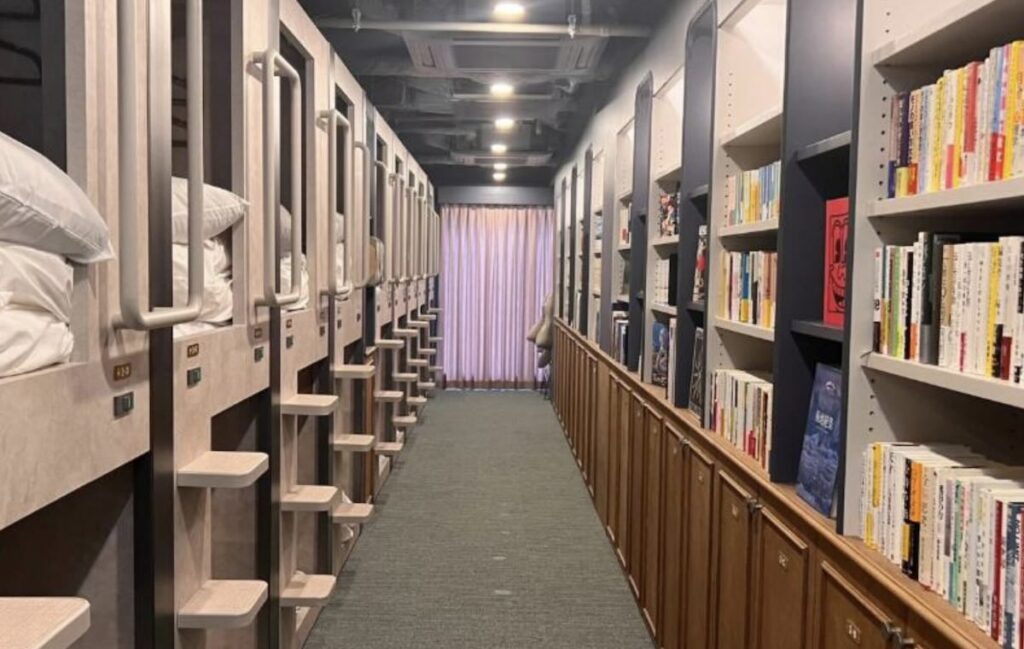
Capsule Hotels
A capsule hotel gives you a small sleeping pod rather than a room, with shared bathrooms and a locker for your belongings. You get more privacy than a dorm bed, but very little space. Prices go up in peak season.
Cost typical ¥2,000 to ¥5,000 (£10 to £24) a night
Skip the Paid Breakfast
We’ve paid for hotel breakfasts and we’ve skipped them. Whether it’s worth it depends on what you like in the morning. If you want one big meal to set you up for the day and you eat a lot at breakfast, it can be a good decision. I prefer a quicker breakfast and more time exploring the city, so when we skipped it in the big cities we walked to somewhere nearby we wanted to try: a food market, a konbini or a coffee shop.
Stay Near a Station
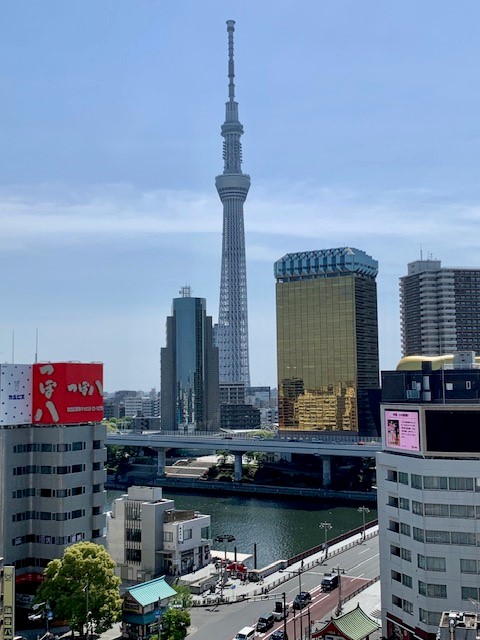
Stay near a train or metro station, even if the room costs a bit more. You’ll walk a lot in Japan anyway, and a long walk to the station twice a day wipes out what you saved on the room. In Tokyo, Asakusa is where I’d look for value, and my Tokyo neighbourhood guide compares it with Shinjuku and Shibuya. For the other two big cities, see where to stay in Kyoto and where to stay in Osaka.
If you’re comparing an Airbnb with a hotel, compare the total with any cleaning fee added, and check the walking time to the nearest station before you book. I personally always go with hotels in Japan, as I like to be able to leave my bags pre or post check out and they’re helpful with booking things, especially if you need to call a Japanese number.
My Top Tip! A hotel with a well-known station in its name isn’t always close to that station. Put the address into Google Maps and check the walk before you pay.
How to Eat Well in Japan for Less
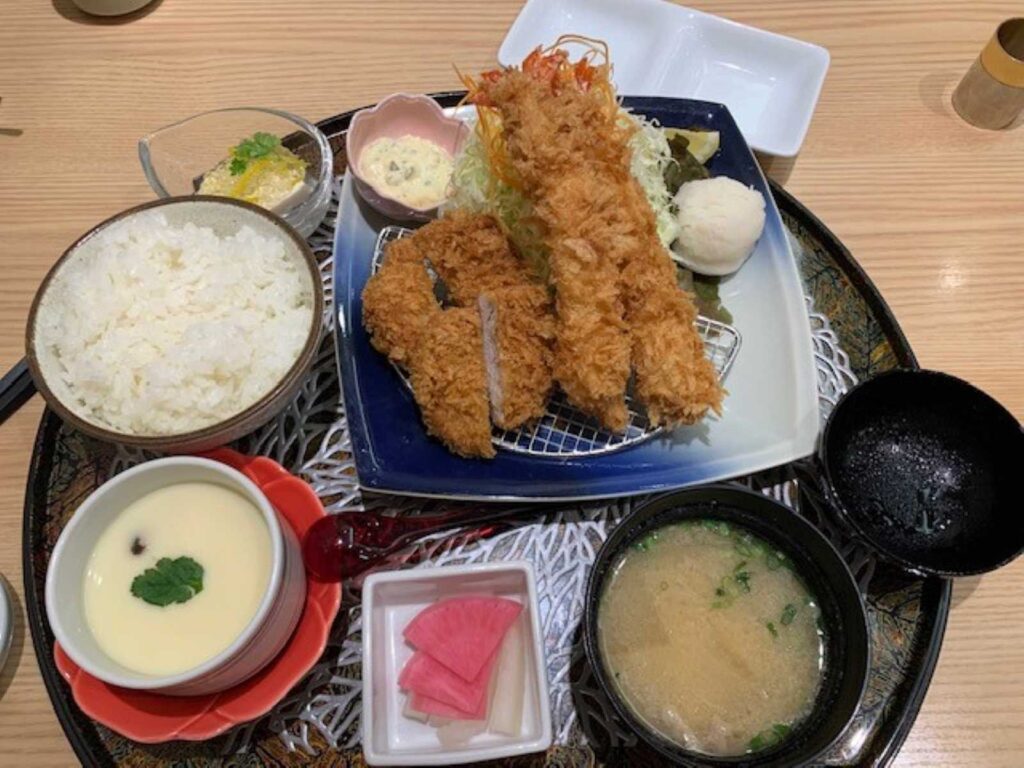
Food is the easiest place to save on budget travel to Japan without feeling you’re missing out. You can eat very well for not much, as long as you know where to look.
Have Your Big Meal at Lunch
There were lots of set menus at lunch everywhere we went, and they’re clearly better value than dinner. If there’s a restaurant you really want to try, go at lunchtime and have something lighter in the evening. Anywhere you eat, pick places that show their prices on their menu outside before you sit down, and walk a few streets away from the big tourist areas, where prices drop. My Tokyo restaurant guide lists lunch prices for each place.
Ticket-Machine Restaurants
In a lot of ramen shops and casual restaurants you order at a machine by the door. You put your money in or tap your card, press the button for your dish and hand the ticket to the staff. We tried Ichiran, the tonkotsu ramen chain, and it was good, if a little touristy. My favourite ramen was Konjiki Hototogisu in Shinjuku, at about ¥1,500 (£7) a bowl.
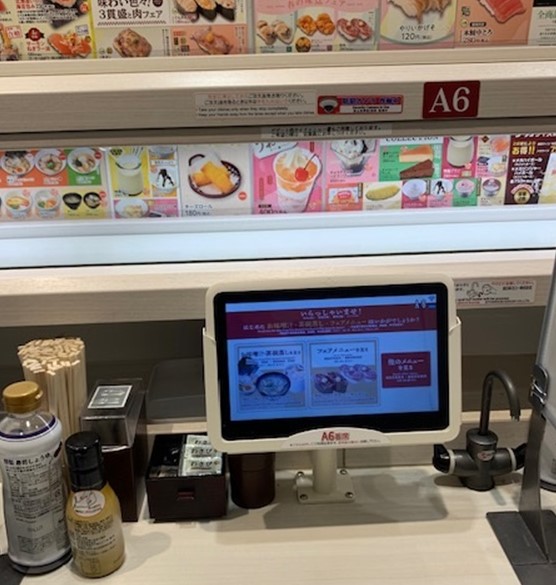
Chain Restaurants and Conveyor-Belt Sushi
Beef bowl chains such as Yoshinoya serve gyudon (sliced beef and onion on rice) quickly and cheaply. It’s simple food, but filling.
Cost about ¥498 (£2) for a regular gyudon at Yoshinoya
Conveyor-belt sushi chains such as Sushiro or Uobei are the cheap way to eat a lot of sushi. You pay by the plate, so you can stop whenever the bill gets where you want it.
Cost from ¥120 (under £1) per plate at Sushiro
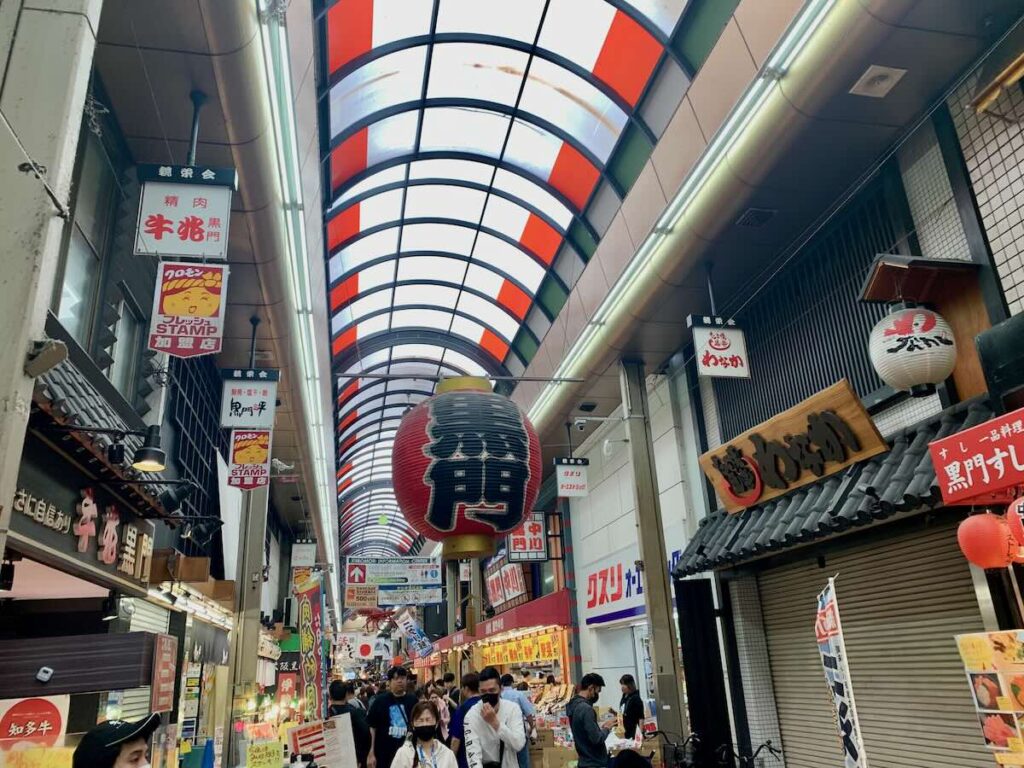
Markets, Supermarkets and Food Halls
Food markets are a good way to eat cheaply and try lots of things. In Kyoto I went back to Nishiki Market more than once just to graze, and in Osaka, Kuromon Market is a good place for breakfast.
For a cheap dinner, go to a department store food hall (depachika) or a convenience store in the last hour before it shuts. Both mark down sushi, bento and ready meals before closing, and it’s proper food at a fraction of the restaurant price.
Convenience Stores
Japan’s konbini are fun, with a lot of choice and some really interesting products to try. We found them a little treasure trove for a quick lunch or breakfast. One evening, tired and jet-lagged, we bought a load of food and took it back to our hotel for dinner.
Tokyo’s tap water is safe to drink, so carry a refillable bottle rather than buying water all day.
My Top Tip! Keep a spare konbini bag in your pocket. Bins are hard to find in Japan, and it saves you carrying loose rubbish round all day.
Free and Cheap Things to Do in Japan
Some of the best things I did in Japan cost nothing at all.
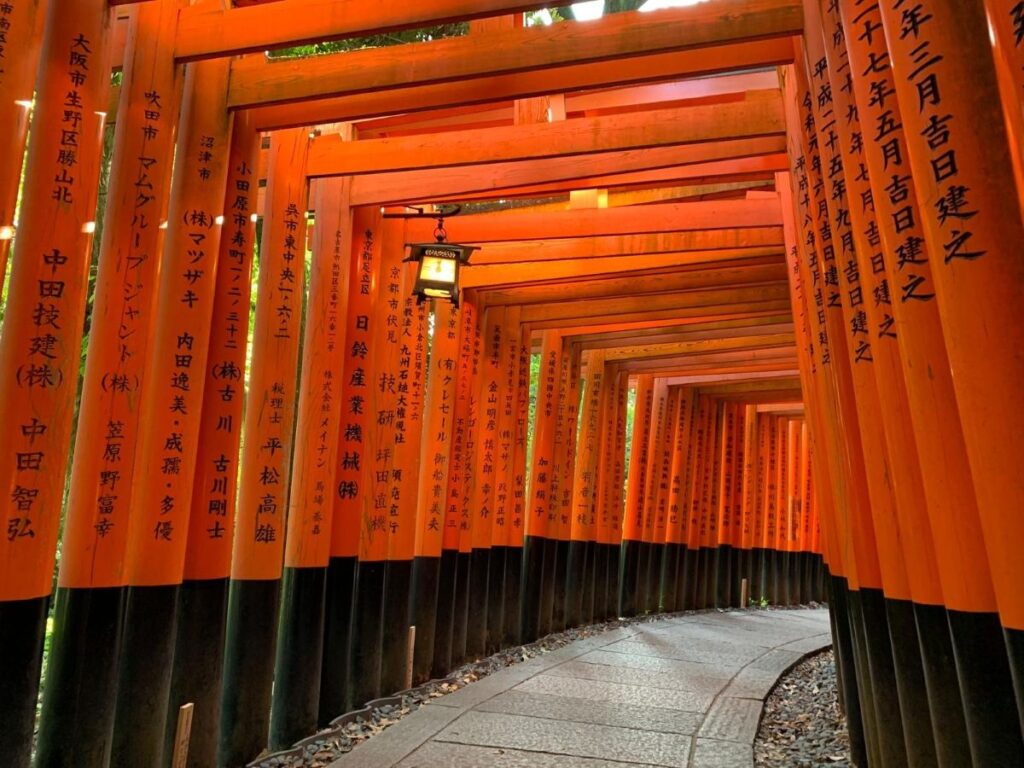
Shrines and Temples
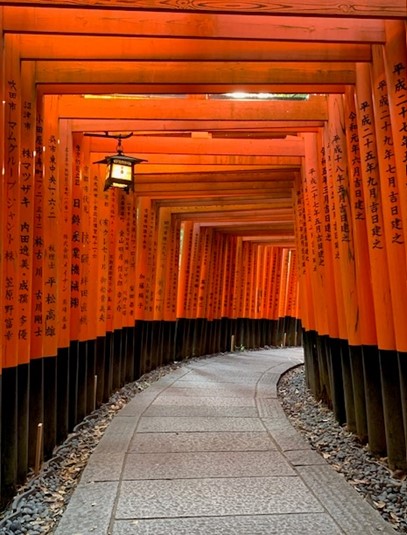
Fushimi Inari in Kyoto, the mountain shrine with thousands of red torii gates, is free and open 24 hours. It was one of my favourite things in Kyoto. We went at blue hour, climbed as far as the Yotsutsuji viewpoint and found the crowds thinned out the further up we went.
Meiji Shrine in Tokyo is also free, set in a large forested park about a 5-minute walk from Harajuku Station, so it slots easily into the Shibuya walk above.
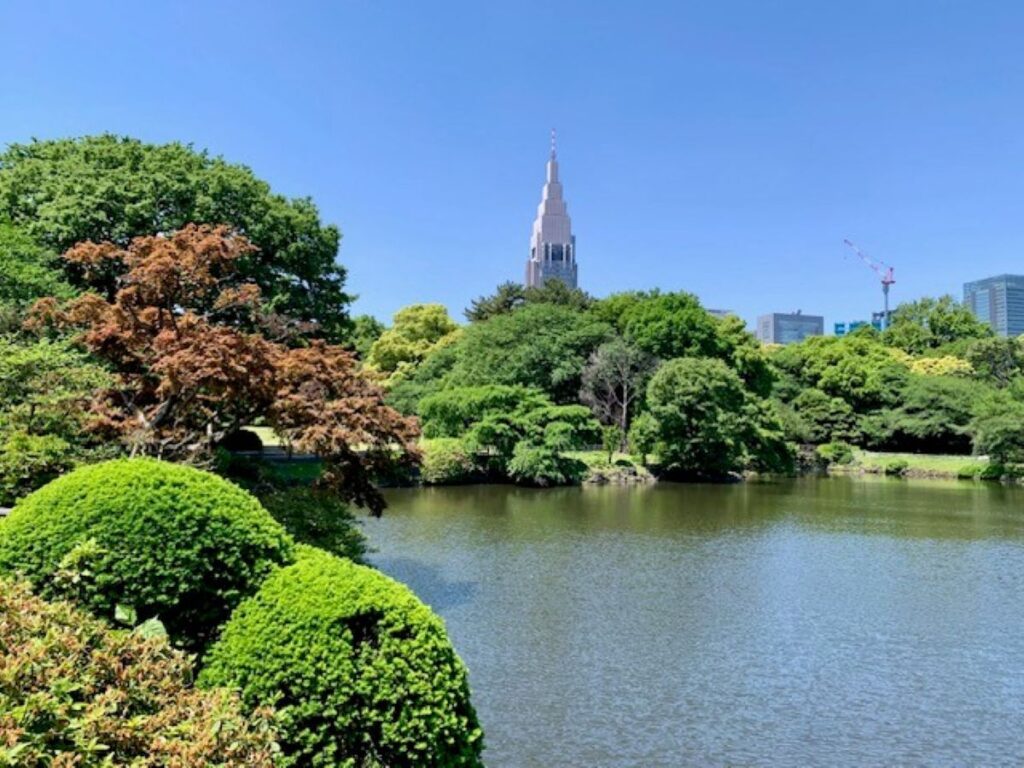
Parks and Free Views
The Tokyo Metropolitan Government Building in Shinjuku has two observation decks on the 45th floor, 202 metres up, and they’re free to visit.
For the paid viewpoints, book online and go earlier in the day. Shibuya Sky, the rooftop observation deck in Shibuya, costs ¥2,700 (£13) online before 15:00 against ¥3,000 (£14) at the counter, and after 15:00 the online price rises to ¥3,400 (£16).
Shinjuku Gyoen, a big landscaped garden in Shinjuku, costs ¥500 (£2) for adults. On our first morning in Tokyo, badly jet-lagged, a walk round it did more for me than any coffee could.
Public Baths
A sento is a local public bath, where you wash and then soak in shared hot baths. It’s a cheap way to try Japanese bathing culture. In Tokyo, the maximum adult entry fee rose to ¥600 (£3) from 1 August 2026.
Money, Phone Data and Shopping
Cards, Cash and ATMs
Card is accepted far more widely than people warned me. About 80% of what we spent went on card, but the cash-only places were the ones that caught us out, and they tend to be the small, cheap restaurants and stalls you most want to eat at. So carry some yen.
We didn’t change any money before we left. We used Wise and Revolut cards to avoid foreign transaction fees and took cash out once we’d arrived. The ATMs we found most reliable were at 7-Eleven and Japan Post. My guide to the best travel debit cards compares the options.

Phone Data
I set up an eSIM before flying and switched it on when we landed. It was simple and much cheaper than my home network’s roaming charges, and I kept my own number for texts and calls. If you’re travelling as a group or your phone is locked, a pocket Wi-Fi router is the alternative. My Airalo eSIM review explains how it works.
Tax-Free Shopping
Visitors can shop tax-free at registered stores when they spend at least ¥5,000 (£24) before tax in the same store on the same day, and you’ll need your passport. The system changes for purchases from 1 November 2026. You now pay the tax at the till and claim it back when you leave Japan. The old split between general goods and consumables, and the ¥500,000 limit on consumables, have gone, and so has the special sealed packaging.
- Show your passport when you pay, so the purchase is logged.
- At the airport, go to the tax-free terminal in the international departure area before you check in your bags.
- Scan your passport and check the result. If it asks for an inspection, show the items to Customs.
- Your refund is paid by the method the shop or refund provider uses, such as your card, a bank transfer, an app or cash.
Watch out for opening or using anything you bought tax-free before you fly home. Even without the sealed bags, the items still have to leave Japan unused, within 90 days of buying them. Keep every item from each receipt with you until you’ve done the airport check, because if one item from a transaction is missing, you lose the refund on the whole transaction.
100 Yen Shops
100 yen shops such as Daiso sell a wide range of small items at low fixed prices, which makes them handy for souvenirs, snacks and anything you forgot to pack.
What’s Worth Paying For
Working out how to save money in Japan is the easy part. Knowing what not to cut is harder, and these are the three things I’d pay for every time.
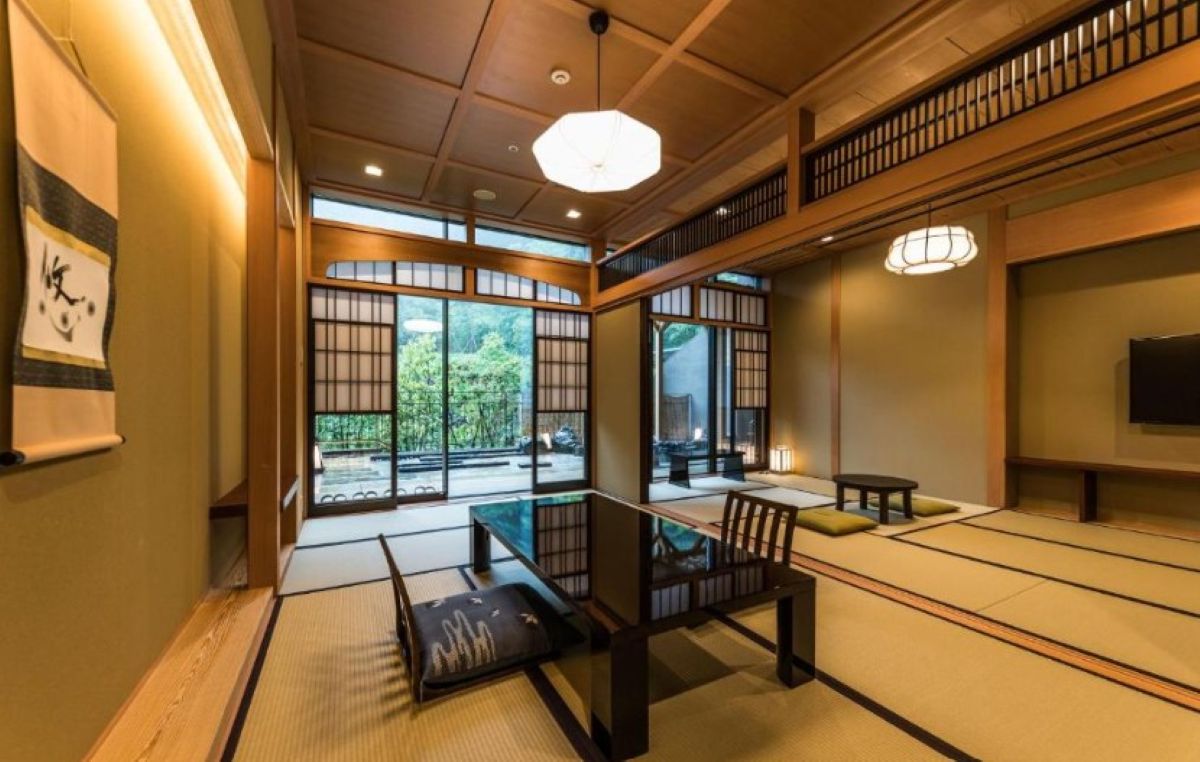
A Ryokan Stay
A ryokan is a traditional Japanese inn, usually with tatami-mat rooms and futon beds, and often with dinner and breakfast included. For me it’s a ryokan full stop. It’s a genuine experience, and not just in Hakone. We’ve done ryokan stays with all our meals included, and my guide to the best ryokan in Hakone is a good place to start.
The Shinkansen at Least Once
Even if you’re watching every yen, I’d take the bullet train at least once rather than doing every journey by bus. It’s an experience you have to have in Japan. You don’t need the Green Car, the first-class carriage: we’ve only ever used the standard car, and off-peak the unreserved seats had plenty of room. Pick up an ekiben (a station bento box) before you board. We picked a new one for every journey, and it made the train rides more fun.
A Kaiseki Dinner
Kaiseki is a traditional Japanese multi-course meal built around seasonal ingredients. If, like me, you like your food, book one. The precision is really impressive and the food is amazing, and if I could only have one proper dinner in Japan, this would be it. My guide to Michelin-star restaurants in Kyoto is a good place to find one.
Japan on a Budget FAQs
Is it cheaper to stay in Osaka or Kyoto?
Osaka is usually the cheaper city to sleep in. A mid-range hotel in Kyoto costs about ¥5,000 to ¥16,000 (£25 to £75) more a night, and the gap can grow in cherry blossom season, autumn and Golden Week. If the gap is small for your dates, I’d still stay in Kyoto as well. My Kyoto vs Osaka guide helps you choose.
Can you get a cheaper bullet train ticket by booking early?
Yes, if you book at least three weeks ahead. EX Hayatoku 21 on smartEX costs ¥12,430 (£60) from Tokyo to Kyoto on the Nozomi, against about ¥14,000 (£67) for a standard reserved seat. Sales open a month before you travel and close 21 days before. Each train has a limited number of these seats, and you can’t change the booking.
Do hotels in Japan charge a tourist tax?
Yes, in several cities, charged per person per night on a scale set by the room rate. Kyoto charges ¥200 (£1) under ¥6,000 and ¥400 (£2) up to ¥19,999. Tokyo charges nothing under ¥10,000, then ¥100 or ¥200. Osaka charges nothing under ¥5,000, then ¥200 up to ¥14,999. From 1 April 2027, Tokyo will charge 3% on rooms over ¥13,000 per person.
Is there a departure tax when you leave Japan?
Yes. Japan’s International Tourist Tax is ¥3,000 (£14) each time you leave the country, up from ¥1,000 on 1 July 2026. Your airline collects it, and it’s normally built into the price of your flight, so there’s nothing extra to pay at the airport. Children under two don’t pay it.
Do you need to tip in Japan?
No. Japan doesn’t have a tipping culture, so in restaurants, hotels and taxis you pay what’s on the bill and nothing more. That’s one cost you can leave out of your budget altogether, and leaving extra money can cause confusion. My do’s and don’ts in Japan guide covers the rest of the etiquette.


One Comment
Comments are closed.