
Kyoto vs Osaka comes down to three questions: which city do you want to see more, which one should you sleep in, and if you’re doing both, is it worth the effort of moving hotels to stay in both cities? My recommendation for a first trip to Japan is definitely to do both if your time allows.
If time is tight, and you can only do one, it depends what you like, but I would pick Kyoto. We did five nights in Kyoto then three in Osaka, straight after Tokyo, and I’d change nothing, it was the perfect mix.
The train between them takes 30 minutes, so people assume it barely matters which one you sleep in. It matters. Kyoto’s big sights are quiet before 8am and packed by 10am, and you can’t get there that early from an Osaka hotel. And it works the other way too. Osaka’s best hours are late, so if you day trip it from Kyoto you’ll be watching the clock for the last train instead of having one of the better nights of your trip. Moving hotels once is less hassle than it sounds, and I’ll show you how to do it without losing a day.
More of my Osaka and Kyoto guides to help plan your trip
- How to get from Kyoto to Osaka – The fastest and cheapest routes
- How many days in Osaka — A ready made itinerary for the best things to see in Osaka
- Day trip to Nara — How to do it in a day from Kyoto or Osaka, and when to go
- Family Hotels in Osaka — The same hotel-by-hotel pick for your Osaka stay.
- Where to stay in Osaka — Best bases for day trips, including Namba vs Umeda.
- Kyoto in 2 Days – A guide to everything you will want to do in Kyoto
- Best Kyoto hotels — Choose the right area and hotels to make the most of your trip
- Family friendly Kyoto hotels — Areas and hotels that are perfect for families
Kyoto or Osaka? The short answer
Do both. That’s my honest answer to Kyoto or Osaka, and I’d go further with my advice, sleep in both. They feel nothing alike, so treating one as a day trip means you miss a big chunk of what makes it special.
If your time is genuinely tight and you can only do one, pick based on what you like. Kyoto is the choice for temples, history and old streets. Osaka for food, nightlife and a proper night out. Push me for an answer and I’d say Kyoto, because most people arrive with Tokyo already booked, and Tokyo plus Osaka gives you a big city twice.
My very simple summary of the two is, Kyoto is the better morning city and Osaka is the better evening city. Almost every decision below follows from it.
My answer flips for three kinds of reader. If food and a proper night out are the point of your trip, Osaka is what you should do. If you’re travelling with kids and Universal Studios Japan is on the list, Osaka saves you a long commute. And if hotel budget is tight, Osaka is the cheaper city to sleep in, though I’d still push you towards Kyoto if the gap is small. I’ve put figures on that further down.
Disclaimer: This article may feature affiliate links. If you click these links, and choose to book with that hotel or company, I will earn a small commission at no extra cost to you. I appreciate the support that allows me to continue providing this information
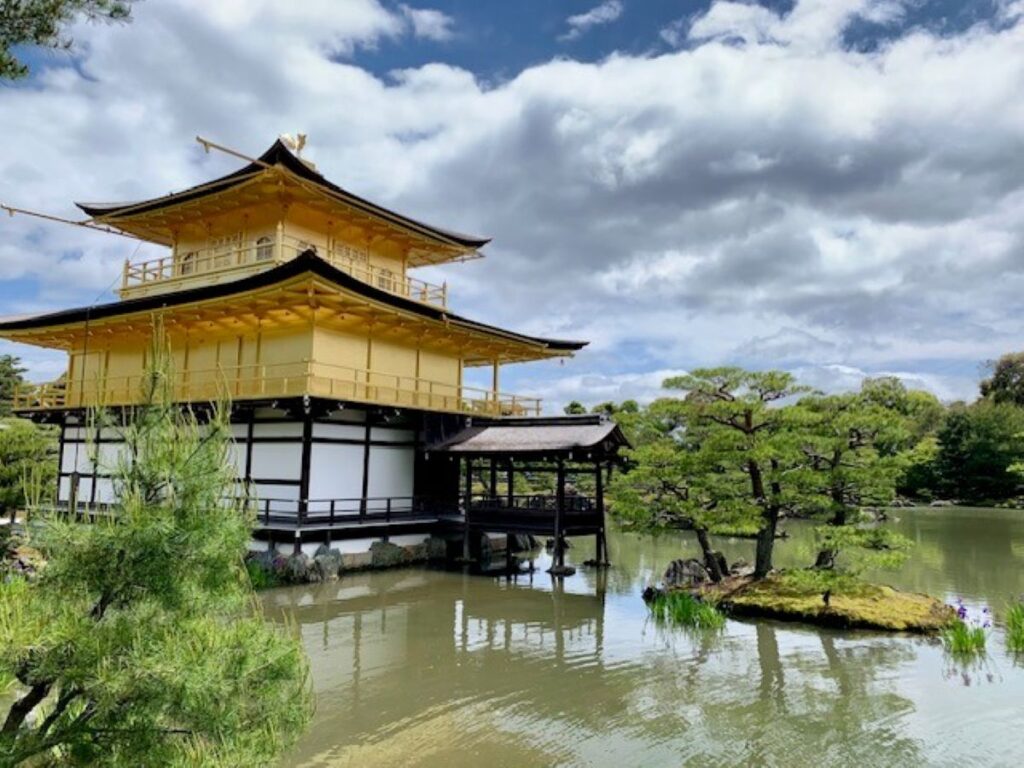
Kyoto vs Osaka at a glance
| Kyoto | Osaka | |
|---|---|---|
| Nights on a first trip | 3 minimum, 3 to 4 is the sweet spot | 2 to 3, more if you add USJ or day trips |
| Best time of day | Early morning, before the crowds | Evening, when Dotonbori gets going |
| Food | Nishiki Market, refined sit-down dining, Michelin options | Street food, Kuromon Market, late-night izakaya |
| Nightlife | Quiet. Dinner, a walk, a small bar | Loud, late and very fun around Namba and Dotonbori |
| Mid-range hotel per night | typical ¥19,000 to ¥38,000 (£100 to £200) | typical ¥14,000 to ¥24,000 (£75 to £125) |
| What is there for Couples | More once-in-a-lifetime stays, ryokan, Arashiyama | Better for a big night out together |
| Day trips | Nara, Arashiyama | Nara, Kobe, Himeji |
| Best area to stay for a first visit | Downtown (Kawaramachi) | Namba or Dotonbori |
What Kyoto is like to stay in
Mornings are the reason to sleep here
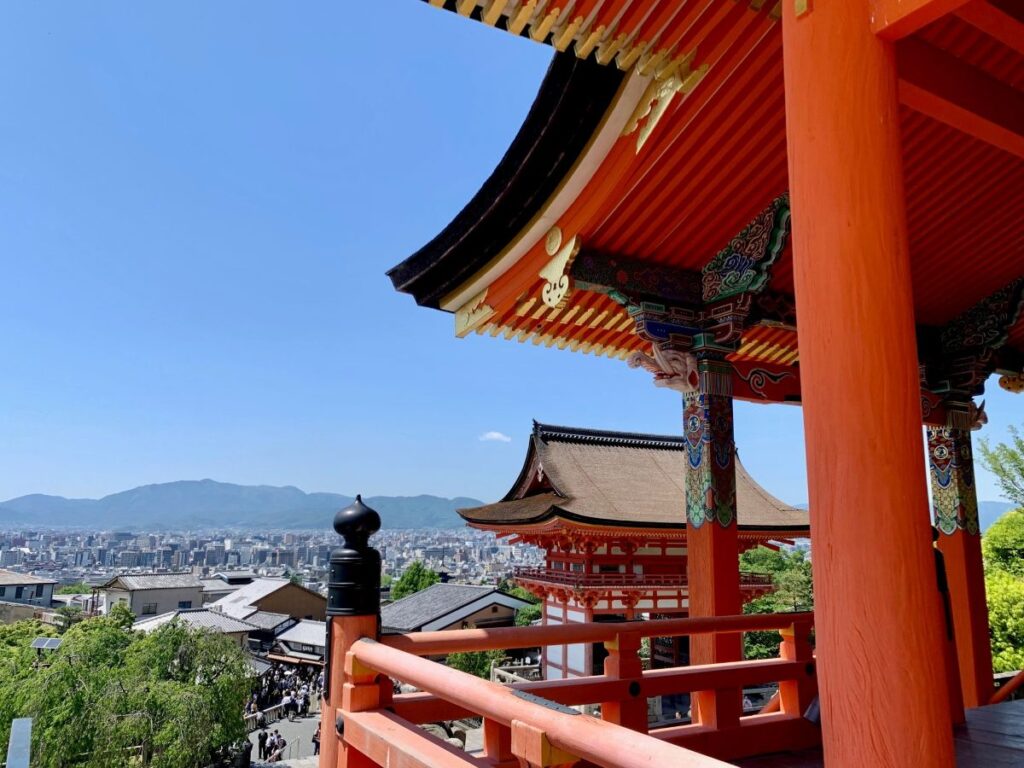
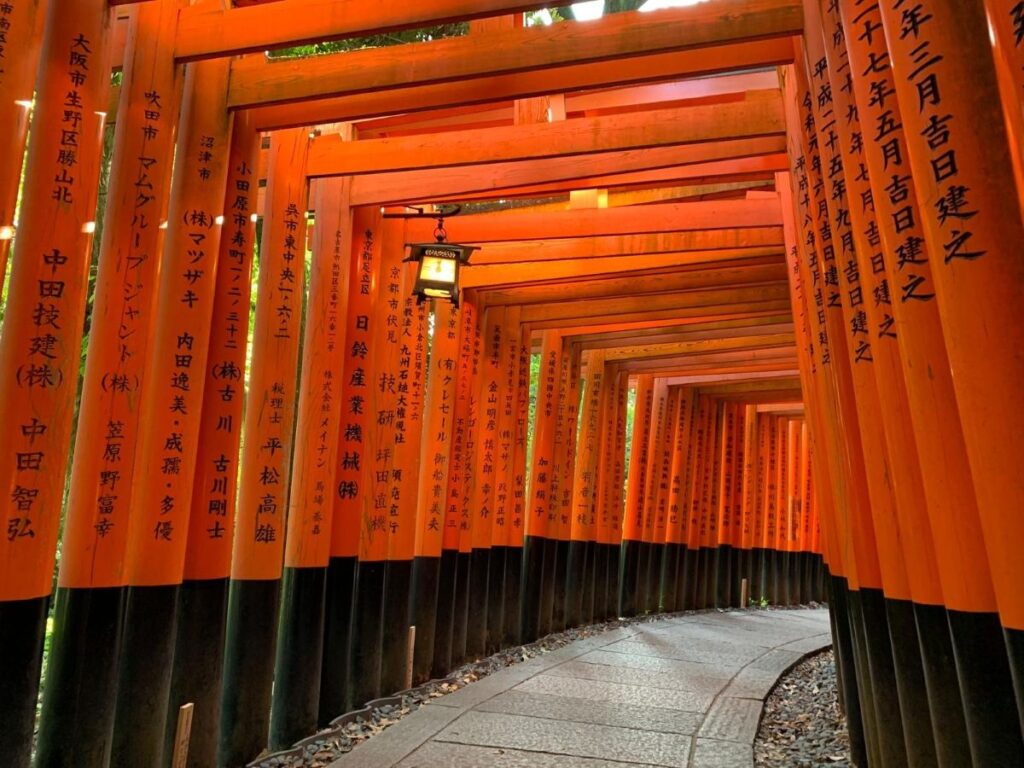
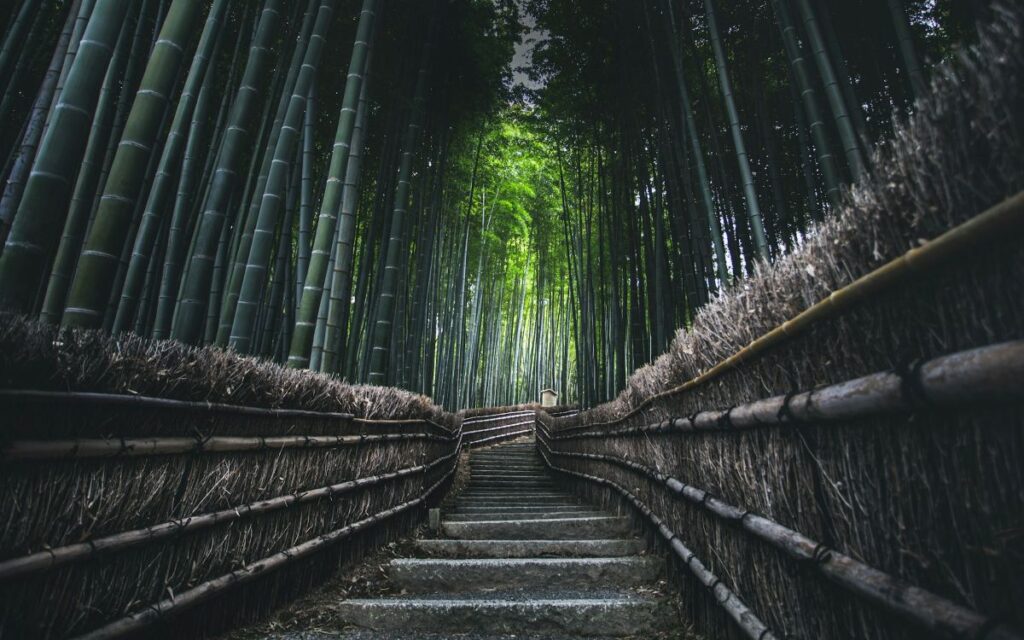
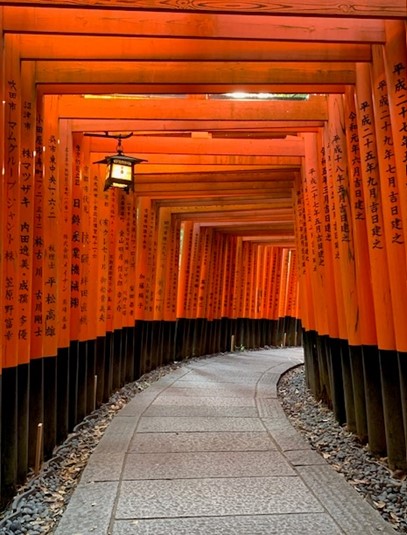
Sleeping in Kyoto means you can be at the big sights before the day-trippers arrive, and that changes the whole experience. We got to the Arashiyama bamboo grove at about 07:30. It wasn’t dead quiet, but it was quiet by bamboo forest standards, and from the photos I’ve seen of it two hours later, that gap is huge. The same is true of Fushimi Inari, Kiyomizu-dera and the Sannenzaka lanes. Turn up at 10:00 and you’re going to find it busy.
I had nearly a week in Kyoto and the early starts were the best decisions of the trip. My two-day Kyoto itinerary starts at 06:30 for exactly this reason.
My Top Tip! Don’t worry that all Kyoto is horribly busy, it isn’t if you get it right. Just plan the famous three or four sights for first thing, and give the afternoons to the quieter temples, where it stays calm even at midday.
What you give up
Evenings. Kyoto is quiet after dark. We did dinner and a walk most nights, and that was it. One night we went to Bee’s Knees, a tiny cocktail bar in Nakagyo Ward at 364 Kamiyacho. Look for a yellow door behind a sign that says The Book Store. It’s dim, dark wood, very cool and small, so get there early. It was great, but it was the exception to most of our nights in Kyoto.
The quiet didn’t bother us. We’d had some late evenings in Tokyo and had more coming in Osaka, so Kyoto felt like a nice balance in the middle of the trip.
Two other honest negatives. The buses get packed at peak times, so use the subway and trains where you can. And the crowds at the famous sights are real from mid-morning. We were there the week after Golden Week and didn’t find it as bad as its reputation, but that was timing and planning, not luck.
One more thing for Gion, the old geisha district. Photography is now restricted on some private alleys, there are signs telling you where, and you should never chase or block a geiko or maiko for a photo. My two-day itinerary has the full etiquette checklist.

FREE GUIDE
Planning your trip to Japan?
I made a free 13-page guide that strips Japan planning down to the few decisions that matter.
No ads, instant download.
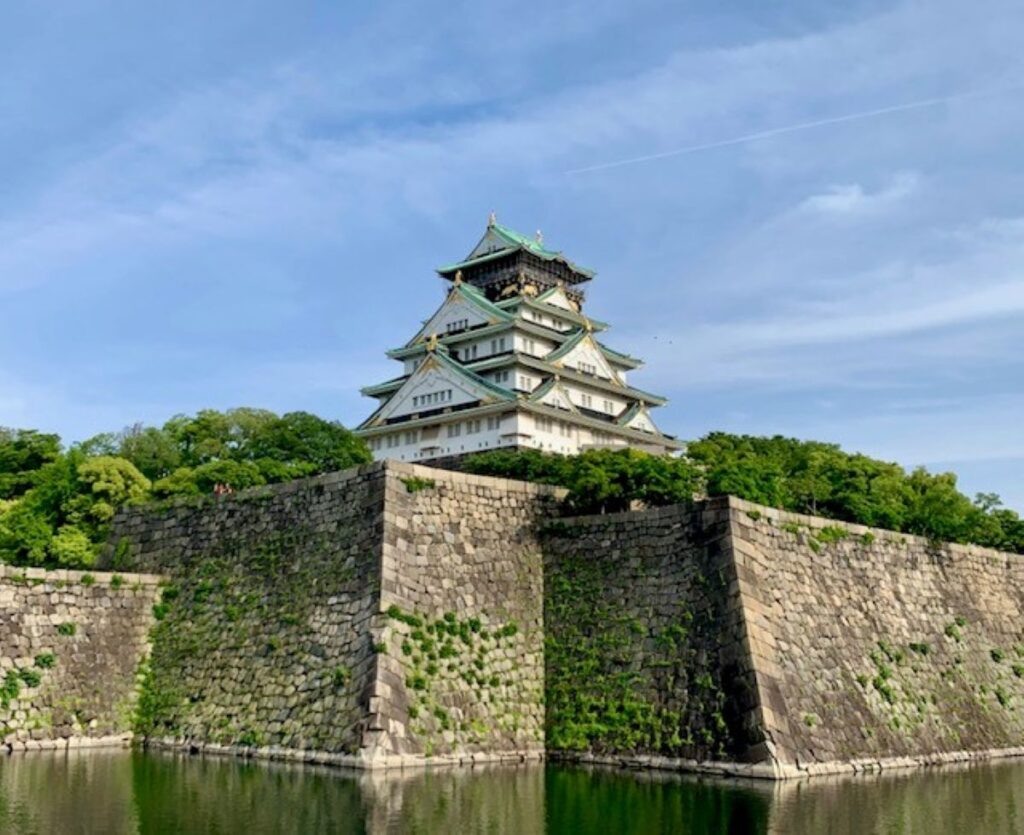
What Osaka is like to stay in
Evenings are the reason to sleep here
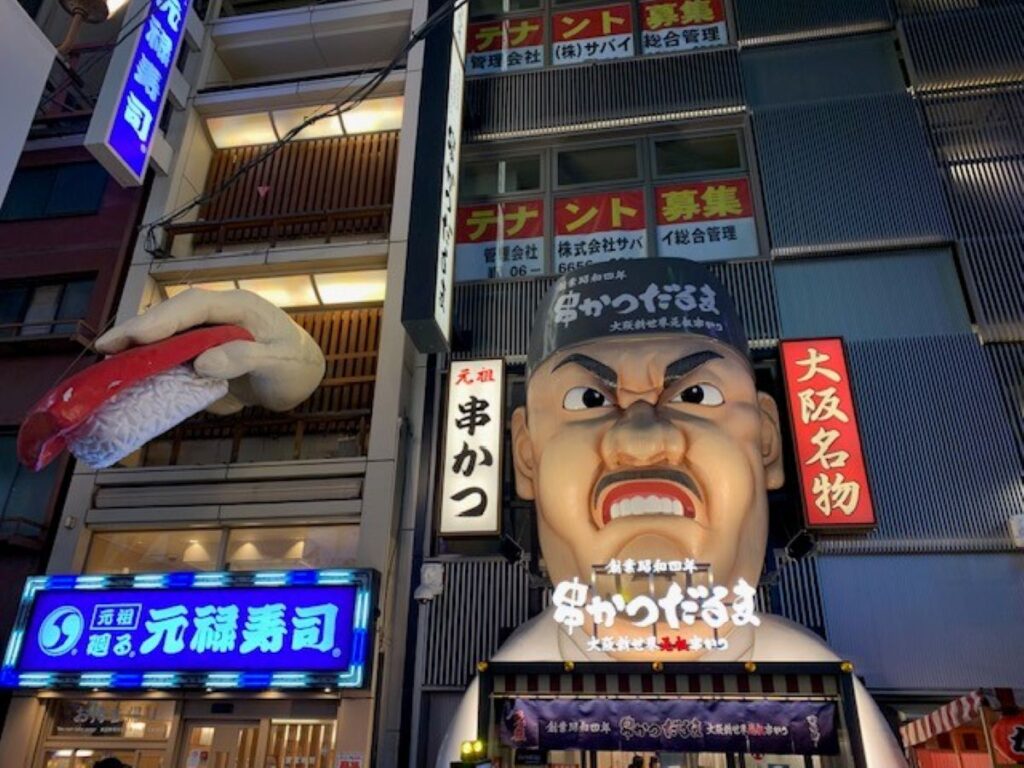
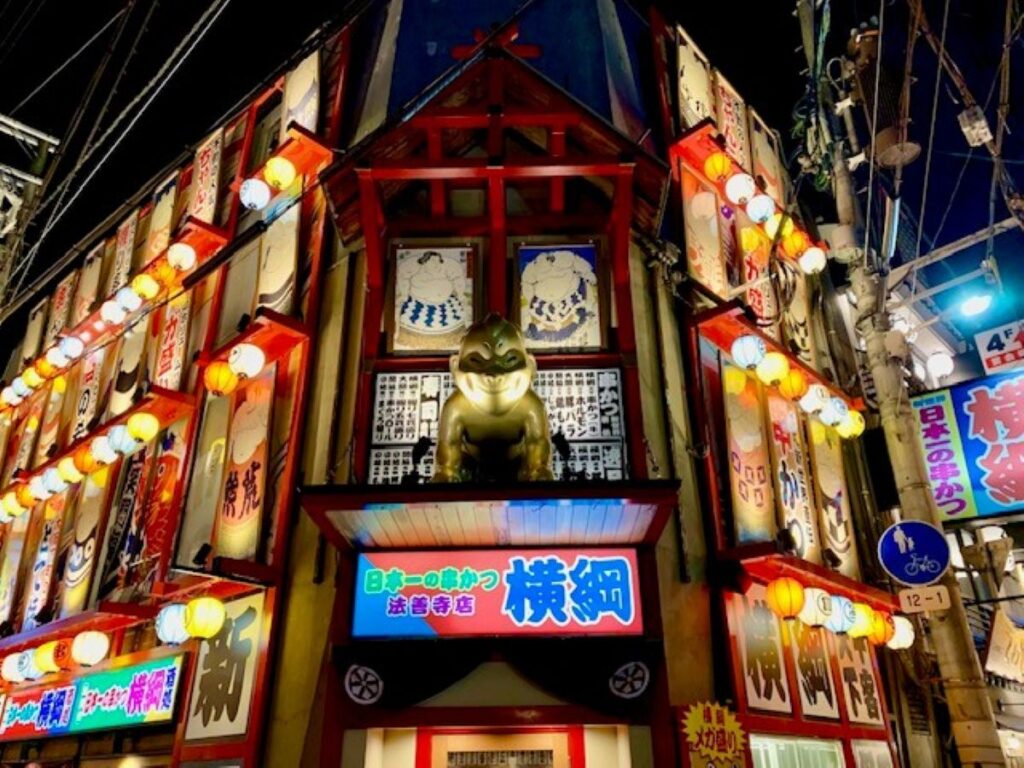
The argument for sleeping in Osaka is the evening, not the sights. The canal area around Dotonbori stays busy until about 23:00, the food is excellent and a big part of the fun, and the people were the friendliest we met in the whole of Japan. We had a couple of proper big nights out here. One of them ended up in Fanny Mae’s, a tiny bar with the walls and ceiling buried under vinyl and rock posters, talking to locals and a mix of other travellers over broken English and Google Translate.
That’s why I tell every friend the same thing: Osaka needs one proper night minimum, especially if you fancy a night out. An afternoon and a dash for the last train doesn’t come close to doing it justice.
What you give up
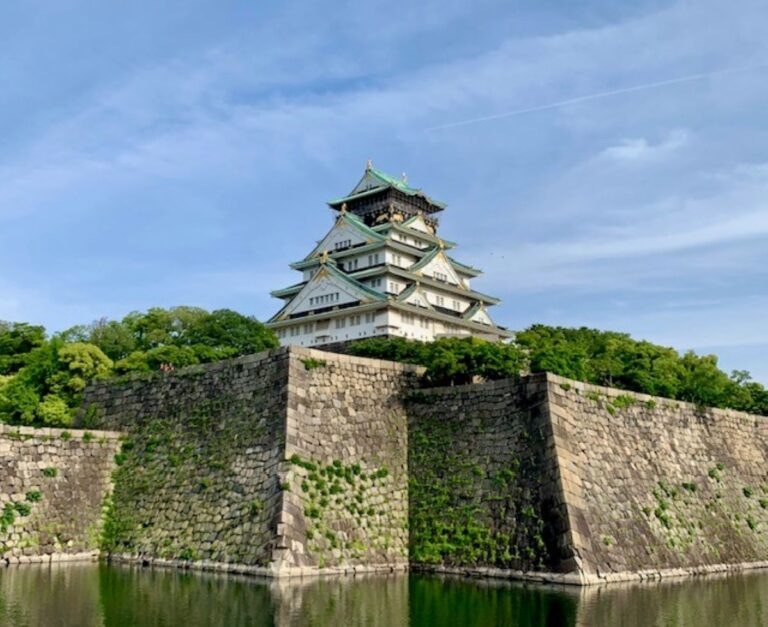
Sights. Osaka’s main attractions fit into two days, and that’s not a criticism. Osaka Castle, Kuromon Market, Shinsaibashi, Dotonbori, the aquarium and the Umeda Sky Building cover it. Our third day was Shinsekai, Tennoji Park and Amerikamura, which I enjoyed, but if you’re short on time it’s an easy day to drop, and my guide to how many days you need in Osaka has the full day-by-day. In my opinion, extra Osaka nights are for Universal Studios or day trips, not more Osaka.
I also advise everyone to choose their hotel area wisely. We stayed in Umeda on our first Osaka trip. The hotel was excellent, but we’d come to see Osaka rather than use it as a base, and every evening meant a metro ride to Namba and back. On a three-night trip those minutes add up. If you do book Umeda for a short first visit, you’ll likely spend your evenings commuting. I recommend you stay in Namba or Dotonbori on a first visit.
How to split your nights between Kyoto and Osaka
Which city first
If you’re flying into Tokyo, I say do Kyoto first, Osaka after. We did five nights then three, straight after Tokyo, and based on what we like it worked well. Kyoto is so different from Tokyo that it felt like a proper change, and by the time we got to Osaka we were ready for city energy again. Kyoto first also means the early starts come while you’re fresh, and you finish the trip on a night out rather than an alarm.
The reverse order works if you’re arriving from Tokyo by Shinkansen and want the bullet train to drop you straight into a city night.
My Top Tip! If you’re planning Tokyo, Osaka, Kyoto and more, consider an open jaw flight (flying into one city and out of another). Osaka and Tokyo have international flights to most countries, so this saves you time and means you can enjoy more of Japan.
How to move without losing a day
The train is half an hour, but the move takes most of a morning once you’ve checked out, crossed and got to your Osaka hotel. So make that day your first Osaka evening. Do a last early temple in Kyoto, check out late morning, arrive mid-afternoon, drop the bags and walk to Dotonbori for dinner. You lose nothing in Kyoto you hadn’t already seen before 09:00, and you gain a full night in Osaka.
Sending your bags ahead
We carried ours. A small backpack and one suitcase each, and the move was easy enough, but if you want to make it easier consider luggage forwarding. This is where a courier collects your case from one hotel and delivers it to the next. If you’re travelling with more than one case each, it’s worth a look, and I cover how it works in my guide to the best apps for travelling Japan.
Getting between Kyoto and Osaka
Four trains do this journey, and the right one depends on where in Kyoto you start and where in Osaka you’re going. My Kyoto to Osaka guide has the platforms, gates and ticket detail. The short version:
JR Special Rapid. Kyoto Station to Osaka Station, which is the Umeda hub. The one I’ve taken and the one I’d recommend if you’re anywhere near Kyoto Station. Frequent, cheap, no transfer.
Time 29–30 min • Cost about ¥580 (£3)
Keihan line. From Gion-Shijo or Sanjo in east Kyoto to Yodoyabashi in central Osaka. Handy if you’re staying near the temples, because you skip the trip back to Kyoto Station. Coming the other way, it’s the line that drops you in east Kyoto for an early temple start.
Time 50–55 min • Cost about ¥410 (£2)
Hankyu line. From Kyoto-Kawaramachi, in the middle of Downtown Kyoto, to Osaka-Umeda. The pick if you’re staying Downtown and heading for Umeda.
Time 46–50 min • Cost about ¥410 (£2)
Shinkansen. Kyoto Station to Shin-Osaka. Fastest train, rarely the fastest journey, because Shin-Osaka is on the northern edge of the city and you need another train to get anywhere you’d want to be. I’d only use it if I had a JR Pass or genuinely needed Shin-Osaka.
Time 12–15 min • Cost about ¥1,450 (£8) unreserved
Should you stay in Kyoto or Osaka?
Sleep in both if you can. This section is for when you can’t, either because the trip is short or because you don’t want the hassle of changing hotels. Here’s how I’d decide.
Pick your base in Kyoto if
Temples, gardens and the old streets are the point of your trip. You’re willing to set an alarm. You want the Gion lanes in the evening once the coach tours have gone, which is one of the best things about the city. And you’re doing Tokyo plus one other stop.
The catch: quiet nights and a higher hotel bill. You’ll eat well and go to bed early, and you’ll pay more for a room than you would across the tracks in Osaka.
Pick your base in Osaka if
Food and nightlife come first. You’ve got a Universal Studios day. Your hotel budget is tight. Or you’re planning several Kansai day trips, because Nara, Kobe and Himeji are all easier from Osaka.
The catch: you arrive at Kyoto’s sights behind the crowd.
One practical note. Kansai Airport sits on the Osaka side of the region, and the Haruka express reaches both cities from it. If you fly in there, you can get to both cities easily. My guides to Kansai Airport to Kyoto and Kansai Airport to Osaka cover every option.
How many days do you need in Kyoto and Osaka?
My minimum for doing both properly is three nights in Kyoto and two in Osaka. Three gets you the early starts in Kyoto with a day left over for Arashiyama or a slower temple morning, and two in Osaka gets you a full day and a proper night out rather than a rushed one.
Four nights or fewer, I wouldn’t split. Pick the city you’ll enjoy most, stay there the whole time, and go across for a day or an evening if you fancy it. You’ll see more of one city than you would half of each, and you won’t spend a morning changing hotels.
If you’ve got five nights or more, put the extra ones in Kyoto first, it has more that’s worth a slow morning. Past seven nights you’re into day trips, and Nara is the one I’d add first. It’s easy from both cities, so it doesn’t change where you sleep, just pick the route that suits your hotel.
With young kids, add a night to each city and slow every day down. My guides to family hotels in Kyoto and family hotels in Osaka pick the areas and rooms that make that easier.
Get prepared for your Japan trip with my first-timer starter kit
- Break down the language barrier: key phrases and tech for an easy first trip
- How to stay connected: the cheapest data and easiest setup
- Avoid currency fees: the best cards for spending and cash
- 25 apps that make your trip easier: the best free downloads
- Save 30 to 90 minutes at the airport: the free Visit Japan Web QR code
- Etiquette do’s and don’ts: what to know on your first visit
Is Osaka cheaper than Kyoto?
Yes, for hotels. Food and local transport are close enough between the two that they won’t change your decision. The room is where the gap sits.
Hotel prices side by side
Typical mid-week, mid-season rates for two adults in a standard double, taken from my where-to-stay guides for each city.
| Room | Kyoto | Osaka |
|---|---|---|
| Budget | from about ¥9,500 (£50) | from about ¥9,500 (£50) |
| Mid-range | ¥19,000–¥38,000 (£100–£200) | ¥14,000–¥24,000 (£75–£125) |
| Luxury | ¥95,000–¥152,000 (£500–£800) | ¥38,000–¥63,000 (£200–£330) |
Budget rooms cost about the same in both cities, so if that’s your bracket, price shouldn’t decide it. The gap shows up in the middle, where Kyoto is £25 to £75 more a night, and at the top, where Gion and Arashiyama go to prices Namba doesn’t reach.
When the gap is big enough to matter
Price never pushed us towards one city over the other, but Kyoto is definitely the more expensive one. The rule I’d use is this. Check both cities for your exact dates. If the difference is small, stay in Kyoto, you’re paying for the mornings. If Osaka is a lot cheaper for your dates, and in cherry blossom season, autumn and Golden Week it can be, picking your hotel there becomes a fair call.
In those months Kyoto sells out before it gets expensive. Book six months ahead for cherry blossom (late March to early April) and autumn (mid-November), and three months ahead the rest of the year.
Where to stay in Kyoto and Osaka
The area matters more than the hotel in both cities. Hotel picks by budget are in my where-to-stay guides, so this is areas only.
Kyoto
Downtown Kyoto, around Kawaramachi and Shijo, is where I’d send most first-timers. You can walk to Nishiki Market in five minutes and Gion in 15 to 25, and it has the widest choice of hotels at every budget.
Gion or Southern Higashiyama if walking out of your hotel into the temple lanes at 07:00 is your priority, but you pay extra for the privilege. Kyoto Station only if the trip is built around day trips. It’s functional, not the old Kyoto you came for, and you’ll be further from the bits you want to see. My where to stay in Kyoto guide has the hotels for each.
Osaka
Namba or Dotonbori if you want to be in the real heart of Osaka. Umeda if Osaka is your base for Kyoto and Nara day trips, or if you’ve got toddlers and want quieter evenings. Honmachi if Namba sounds like too much but you still want to be central. Having done Umeda and Namba, I’d only choose Umeda again for the day-trip reason. My where to stay in Osaka guide has the hotels.
If you’re staying in Kyoto or Osaka with children, my family versions of both guides sort the rooms by how many they actually sleep, which in Japan is not the same as how many beds they have.

More of my Japan guides to plan around your Kansai trip
- Perfect Hakone Loop — What to do and how to get around when you are in Hakone
- Tokyo 3 day itinerary — A guide to the best sights and how to fit them in.
- 1-day Hiroshima Itinerary — A clear plan to enjoy Hiroshima in a short visit
- Japan Two-Week Itinerary — How Osaka fits into a wider route without backtracking.
- What to do on Miyajima Island — A full guide to the best things on the island
Kyoto vs Osaka FAQs
How far apart are Kyoto and Osaka?
About 30 minutes on the train. The JR Special Rapid takes 29 to 30 minutes from Kyoto Station to Osaka Station and costs about ¥580 (£3), with no reservation needed. The Shinkansen does it in 12 to 15 minutes but lands at Shin-Osaka, north of the centre, so it’s rarely quicker door to door.
Can you do Osaka as a day trip from Kyoto?
Yes, and the train makes it easy. But Osaka is an evening city and a day trip means watching the clock for the last train. If you can, give it one night. That’s the advice I give every friend.
Should I skip Osaka?
No. Osaka is where we had our best nights in Japan and the friendliest people we met anywhere in the country. The sights don’t compete with Kyoto’s and nobody sensible claims they do, but you go to Osaka for the food and the evenings, and one night gets you both.
Is Kyoto worth visiting if I’ve already seen Tokyo?
Yes, more than anywhere else in Japan. Tokyo gives you the modern city, Kyoto gives you temples, wooden lanes and gardens, and mornings where you can be at Fushimi Inari or the Arashiyama bamboo grove before the crowds. Osaka is closer to what you’ve already had in Tokyo.
Which is better for families, Kyoto or Osaka?
Osaka, for most families with young children. You get shorter days, covered shopping arcades for rainy afternoons, the aquarium and Universal Studios Japan. Kyoto suits families who actually want the temples and are happy with early starts and a lot of walking.
Which is better for couples?
Kyoto, if one special night is what you’re after. Neither felt like a treat over the other for us, they were just different, but Kyoto has more once-in-a-lifetime stays, with ryokan and the remote places out around Arashiyama. They’re not great to sightsee from, so book one as an end-of-trip night rather than your base.
Should I visit Kyoto or Osaka first?
Kyoto first if you’re coming from Tokyo, which most people are. You get the early mornings while you’re still fresh and finish on a night out instead of an alarm. We did it that way and I wouldn’t change it. The exception is your flight home: Kansai Airport sits on the Osaka side, so if you’re departing very early, ending in Osaka makes the last morning easier.


One Comment
Comments are closed.