
I arrived in Tokyo for the first time so jetlagged I’d almost forgotten what city I was in. A walk through Shinjuku Gyoen sorted my head out faster than coffee, and within an hour I’d worked out the thing nobody tells you. Where you stay in Tokyo matters more than which hotel you pick. Tokyo is huge, and the wrong area and hotel means you spend half your trip on trains.
The single most useful tip I give friends going for the first time: stay near a JR Yamanote Line station. The Yamanote is the green loop that connects a lot of the areas people want to see; Shinjuku, Shibuya, Harajuku, Ueno, Akihabara and Tokyo Station, so being on it (or one stop off it) saves you time and steps every day.
I’ve stayed in Shinjuku, Shibuya and Ginza so far. The hotels I recommend in those areas are ones I’ve booked myself. For Asakusa, Akihabara and Tokyo Station, my picks are well-researched, or ones I’ve had recommended by friends and family.
FREE GUIDE
Planning your trip to Japan?
I made a free 13-page guide that strips Japan planning down to the few decisions that matter.
No ads, instant download.
TL;DR What area should I pick?
If you don’t have time, I have you covered, just read this. But make sure you come back for the detailed guides and some of the best hotels for all budgets in each area.
For first-timers, Shibuya is the area I’d point you to, for the best balance of walkability, food, and connections. Shinjuku is the close second and my personal favourite, especially if you’re doing day trips out to Hakone or Mt Fuji. If you want better value and a quieter base, Asakusa is the third option I’d advise you consider.
If you are travelling with children, I’ve written a specific guide on the best areas and hotels for families in Tokyo, which will be more useful.
More of my Japan guides to plan around your Tokyo trip
- Kamakura day trip from Tokyo — One of the most rewarding trips from Tokyo
- How many days in Osaka — A ready made itinerary for the best things to see in Osaka
- Tokyo 3 day itinerary — A guide to the best sights and hidden gems.
- Kyoto in 2 Days — A guide to everything you will want to do in Kyoto
- Perfect Hakone Loop — What to do and how to get around when you are in Hakone
- Japan Two-Week Itinerary — All my tips to make the most of two weeks in Japan
The best areas to stay in Tokyo at a glance
| Area | What’s it like | Typical nightly rate (yen / GBP) | Best for | Watch out for |
|---|---|---|---|---|
| Shinjuku | Neon, atmosphere and connections | ¥10,500–¥165,000 (£50–£775) | First-timers who want energy and easy day trips west | 200 station exits, pick the right area to avoid noise |
| Shibuya | Younger, high energy, brilliant on foot | ¥9,500–¥37,000 (£45–£175) | First-timers who want to be in the action | No real cheap hotels, busy streets |
| Asakusa | Older streets, cultural sights, cheaper hotels | ¥10,500–¥38,000 (£50–£180) | A quieter, cheaper base with easy airport links | Not on the Yamanote, quiet in the evenings |
| Ginza | Polished, shopping-led, a good night’s sleep | ¥21,000–¥38,000 (£100–£180) | Shoppers who don’t need nightlife on the doorstep | Less food and atmosphere after 10pm |
Tokyo Station isn’t in this table on purpose. It works for a one-night stop before a Shinkansen or an early flight, and I cover it in the scenarios section near the end. As a base for the week, I don’t recommend people pick it.
Disclaimer: This article may feature affiliate links. If you click these links, and choose to book with that hotel or company, I will earn a small commission at no extra cost to you. I appreciate the support that allows me to continue providing this information
Map of the best areas to stay in Tokyo
Get prepared for your Japan trip with my first-timer starter kit
- Break down the language barrier: key phrases and tech for an easy first trip
- How to stay connected: the cheapest data and easiest setup
- Japan on a budget: how to save money without missing the best bits
- Avoid currency fees: the best cards for spending and cash
- How much a trip to Japan costs: Totals for 7, 10 and 14 days, plus a typical day cost
- 25 apps that make your trip easier: the best free downloads
- Save 30 to 90 minutes at the airport: the free Visit Japan Web QR code
- Etiquette do’s and don’ts: what to know on your first visit
Shinjuku: My personal favourite
Shinjuku is where a lot of first-timers end up, and for good reason. It’s the most connected base in the city, food and shops stay open until late, and Shinjuku Station can get you anywhere you want to go. It’s also the best base for day trips west to Hakone and Mt Fuji, since the Odakyu Line and most group tours leave from here.
For me personally, Shinjuku just edges Shibuya as my own favourite. There’s so much to do day and night, and big green spaces like Shinjuku Gyoen add something people don’t expect. I also absolutely love the atmosphere in Golden Gai and Omoide Yokocho. I recommend it to all my friends who like a night out or have older kids and want plenty to do. There are trade-offs to be aware of though.
Shinjuku Station has around 200 exits and is genuinely hard to navigate if you’re less used to big cities. Some of the busiest, loudest blocks aren’t where you want to come back to after a long day, unless you’re going to be out all night anyway. Pick wisely on the street as well as the area and you can avoid noise.
Kabukicho, the red-light district, gets a lot of press but it is fine to walk through and not as edgy as the reputation suggests. I’d stay south or east of the station, not deep inside Kabukicho.
My Top Tip! Watch out for hotels that say “Shinjuku” in the name but sit deep in West-Shinjuku. They sound central and turn out to be a 15 to 20 minute walk from the station with luggage. Tour agents push these because they have allocations there. Check the walking time on Google Maps before you book.
Where to stay in Shinjuku
Budget Friendly. Sotetsu Fresa Inn Higashi Shinjuku

- Rating: 8.3 · From ¥10,500 (£50) per night
- Where I stayed on my first trip. Small but well-designed rooms, very clean, good sized bed, and the location is just far enough east of the station to be quieter at night while still being a short walk from everything. Solid Japanese business hotel style, no surprises and they were happy to hold our bags before check in and after check out.
- BOOK HERE
Mid-range. Citadines Shinjuku Tokyo

- Rating: 8.7 · From ¥18,500 (£87) per night
- My mid-range pick and where I send most first-timers. The rooms are bigger than a typical Tokyo hotel and some come with a kitchenette, there is also laundry on site which is genuinely useful for a longer stay. If you’re tired or feeling lazy the extra space means you can comfortably eat a konbini dinner in your room. Note: it’s nearer Shinjuku Gyoenmae than the main Shinjuku Station, about a 10-minute walk to the JR exits.
- BOOK HERE
Luxury. Park Hyatt Tokyo
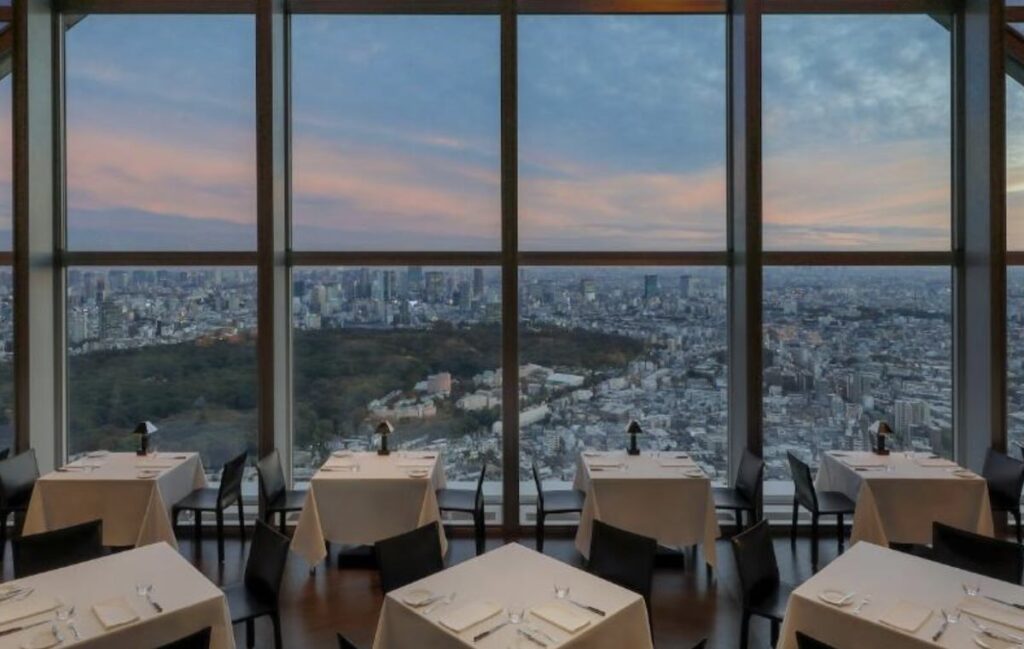
- Rating: 9.0 · From ¥165,000 (£775) per night
- If you are after a special stop, this is the one. I haven’t had the pleasure of this myself yet, but it is next-level luxury and the awards and reviews back it up. It is legendary for the views over the city, the pool with floor-to-ceiling windows, the New York Grill bar, and its feature in Lost in Translation still pulls people in. It reopened in December 2025 after a 19-month renovation.
- BOOK HERE
Shibuya: My pick for most first-timers
Shibuya and Shinjuku are both great, and you can’t really go wrong with either. But if I’m forced to pick a recommendation, Shibuya edges it for the walkability. You can walk from Shibuya Crossing to Yoyogi Park, Meiji Shrine, Harajuku, Omotesando and the cafés of Aoyama without ever getting on a train. That quantity of good stuff on foot is what makes it special to me.
The energy is younger and slightly calmer than Shinjuku once you’re a block off the Crossing. The Crossing itself is as chaotic as you’ve seen on Instagram, but the side streets around Dogenzaka and Tomigaya feel almost residential. Plenty of food in every direction, good nightlife if you want it, and the trains will take you anywhere in Tokyo in 20 minutes.
The thing to know is Shibuya is the most expensive of the main bases. Standard cheap hotels barely exist here, so the lower end of the market, if you want good ratings, is capsule hotels rather than business hotels. Some people love a capsule stay as part of the trip, others don’t. If a cheap room is important, Asakusa or Akihabara will serve you better. My budget guide to Japan compares hostels, capsule hotels and business hotels.
Where to stay in Shibuya
Budget Friendly. BookTeaBed Shibuya
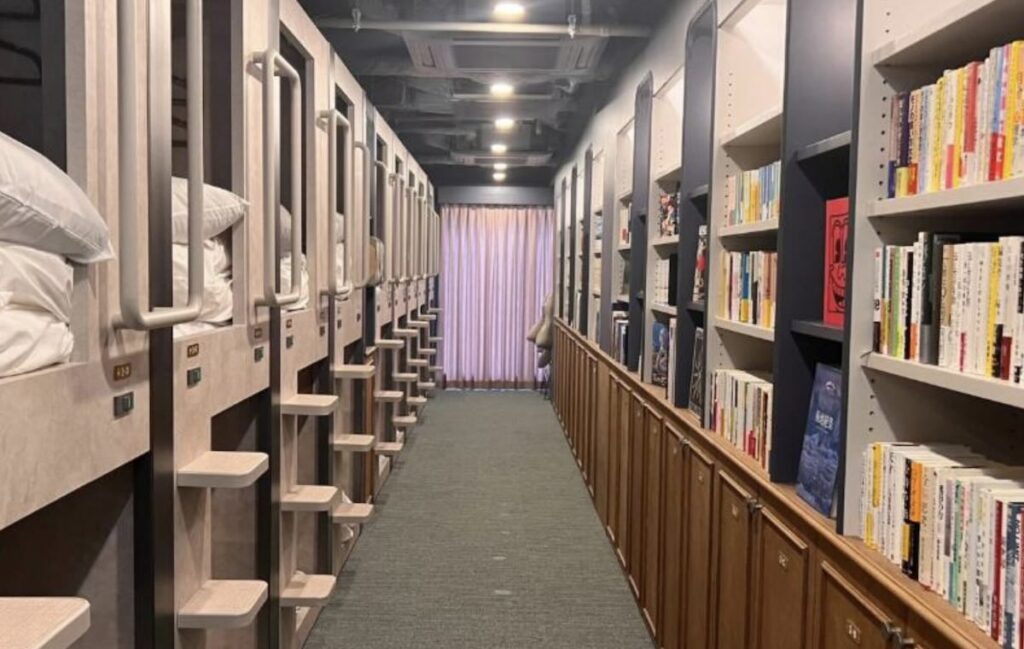
- Rating: 8.4 · From ¥9,500 (£45) per night for two capsules
- A capsule hotel a few minutes from the station with a library theme running through the property. Capsules are bigger than typical, and their female-only floors review well for safety. For one or two nights it’s an experience and the price is hard to beat. Note: capsules are sold per person, so two adults sharing means booking two capsules.
- BOOK HERE
Mid-Range. All Day Place Shibuya

- Rating: 8.3 · From ¥23,500 (£110) per night
- Where I stayed and my favourite hotel I’ve booked in Tokyo so far. Excellent location (a couple of minutes from Shibuya Station and Crossing), rooms much more spacious than the norm, and there’s a pizzeria and good beer on site, which sounds small until you’re jetlagged on night one and don’t want to leave the building (speaking from experience!). The value for the quality and the location is unusually high. This is where I regularly send friends.
- BOOK HERE
Luxury. Shibuya Excel Hotel Tokyu

- Rating: 8.8 · From ¥37,000 (£175) per night
- If you want to stay essentially on top of Shibuya Station, the Shibuya Excel sits directly above the Mark City complex at the JR station entrance, with corner rooms overlooking the Crossing. Consistently well-rated for location and service.
- BOOK HERE
Asakusa: The lower-cost alternative
Asakusa is where I’d point a first-timer who wants better value and a quieter, more traditional base. The buildings are lower-rise, the pace is slower, and outside the peak temple hours it’s far less frantic to walk around than Shibuya or Shinjuku.
What sold me on it as a good base is the evening. Once the coach groups leave, Senso-ji is a different place, much quieter and genuinely pretty lit up.
Asakusa also has direct trains to both airports, which a lot of guides skip over. The Keisei Sky Access runs to Narita, the Keikyu Airport Line goes straight to Haneda. My Haneda to Tokyo transfer guide and Narita to Tokyo transfer guidecover the options if you want them.
I haven’t stayed overnight in Asakusa myself, so the hotel picks below are research-led. They’re the ones that consistently come up as strongest in their price range.
The downsides: it’s not on the JR Yamanote loop, so you’ll change trains for west-side destinations more often. Senso-ji gets very busy in the day with tour groups, and dining closes earlier than west Tokyo, so a 10pm dinner is harder to find.
My Top Tip! Book a hotel a few streets back from Senso-ji rather than right next to it. The temple area is busy with coach groups and street performers most of the day. Towards Asakusa Station or along the river works much better.
Where to stay in Asakusa
Budget Friendly. Khaosan Tokyo Origami
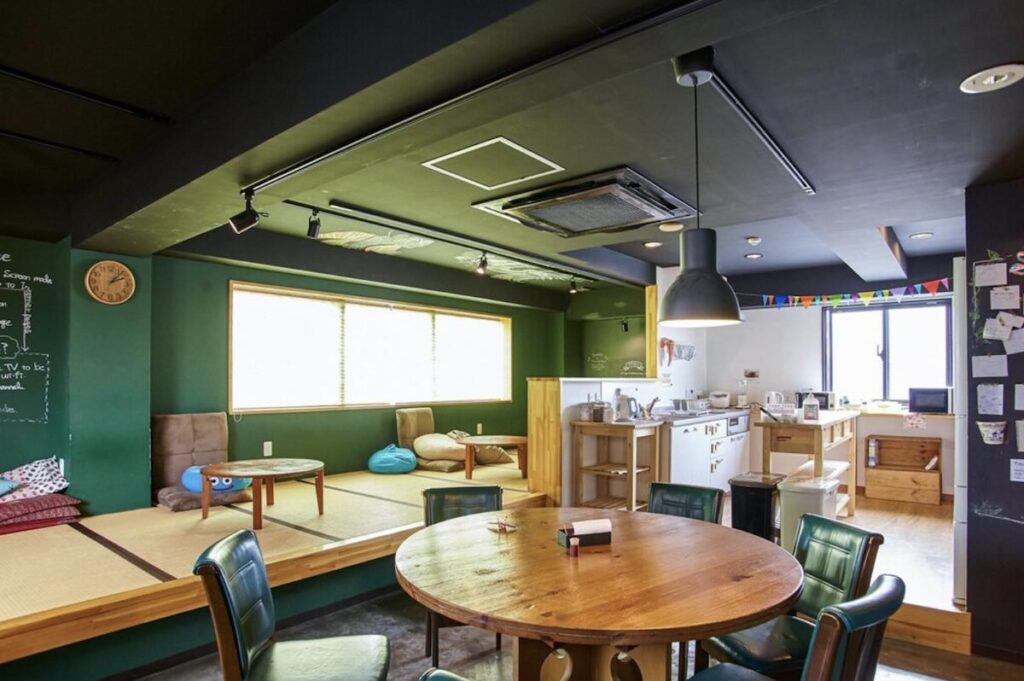
- Rating: 9.0 · From ¥10,500 (£50) per night for a private double
- Five minutes’ walk to Kaminarimon Gate and Senso-ji. Private Japanese-style rooms alongside the dorms, a top-floor lounge with temple views, communal kitchen, and consistently strong reviews for cleanliness and staff. Bathrooms are shared, which is the trade-off, but for the location and the rating it’s hard to beat.
- BOOK HERE
Mid-Range. The Gate Hotel Asakusa Kaminarimon
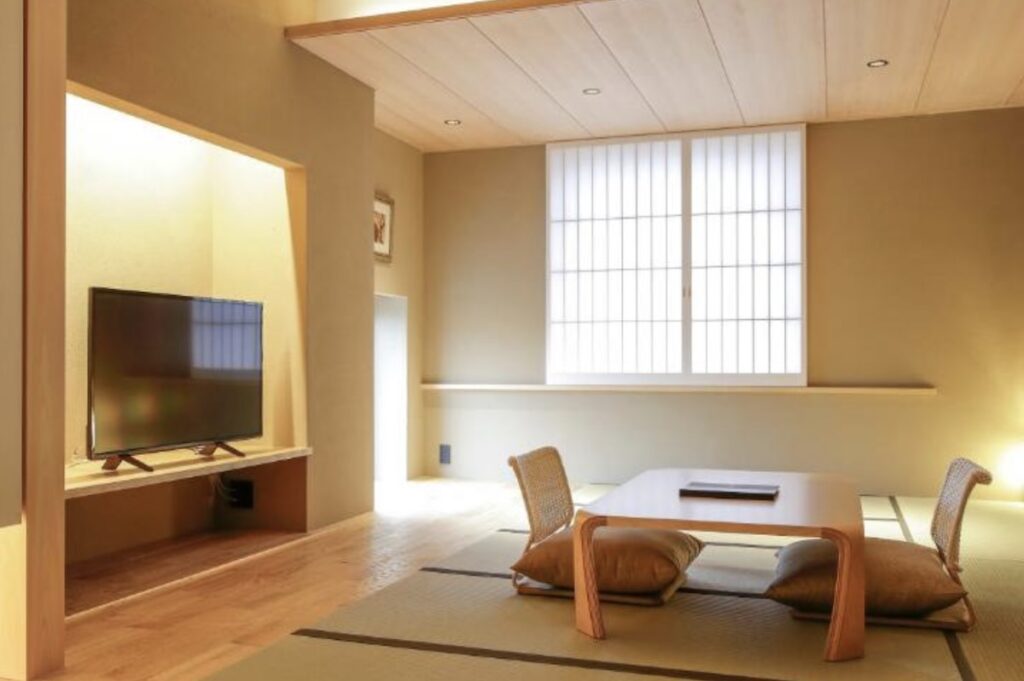
- Rating: 9.2 · From ¥28,000 (£130) per night
- A few steps from Kaminarimon Gate and the entrance to Nakamise Street. The rooftop bar with views over Senso-ji and across to Tokyo Skytree is the thing the hotel is known for, and it’s a real reason to pick it. They also have traditional rooms to pick if you want an experience. Rooms are well-sized for Tokyo and the location is hard to beat.
- BOOK HERE
Luxury. Asakusa View Hotel

- Rating: 8.8 · From ¥38,000 (£180) per night
- The most established higher-end option genuinely in Asakusa, a six- to seven-minute walk from Senso-ji on the west side of the area. A 28-floor hotel with an indoor pool, spa, and panoramic restaurants on the upper floors, fully renovated in 2025. Sky Tree-side rooms are the ones to book as the views are special.
- BOOK HERE
Ginza: polished, central, and quieter at night
Ginza is a good base if you like to shop or want a higher-quality hotel for your money. It’s renowned for some of the best mid and high-end shopping in Tokyo, the streets are wide and clean, and the area feels more grown-up than Shinjuku or Shibuya.
I stayed at Agora Tokyo Ginza on my second trip, and the rooms were noticeably more spacious than the other Tokyo hotels I’ve used. The area is convenient too, with a short walk to Tokyo Station for the bullet train and good metro links to Shibuya and Asakusa.
For me though, I wouldn’t pick Ginza on a first trip. Shibuya and Shinjuku are both better for a first-timer, with more to offer during the day and definitely at night. Ginza gets noticeably quieter once the shops close, the restaurants are pricier on average, and there isn’t much atmosphere after 10pm.
Where to stay in Ginza
Mid-Range. Mitsui Garden Hotel Ginza Premier
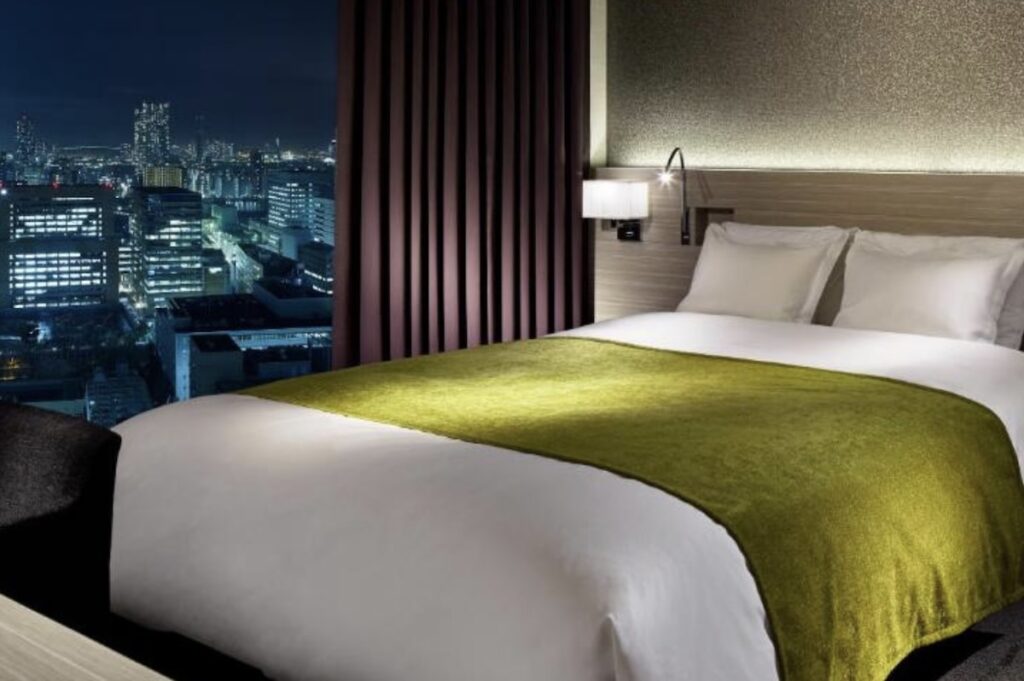
- Rating: 8.5 · From ¥21,000 (£100) per night
- A well-rated mid-range Ginza option that consistently delivers on room quality and location. It sits at the southern end of Ginza near Shimbashi Station, so you’re a 4-minute walk to the Yamanote line and about 10 minutes to central Ginza on foot. The 16th-floor lobby has panoramic views across the city. Prices vary by season, so it’s worth comparing dates before booking.
- BOOK HERE
Mid-Range. Agora Tokyo Ginza
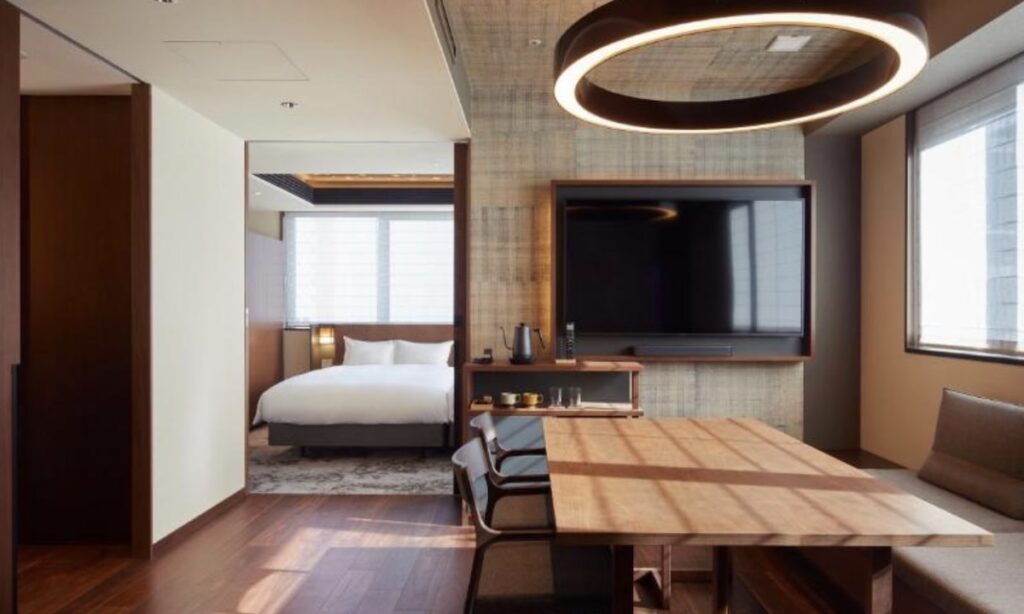
- Rating: 8.4 · From ¥21,000 (£100) per night
- Where I stayed on my second trip to Tokyo, and a solid pick for the price. Rooms well-appointed and bigger than the Tokyo norm, the location is genuinely central (near Higashi-Ginza Station on the east side of Ginza), and the building is comfortable and well-run. I definitely recommend it if Ginza suits your trip style.
- BOOK HERE
Luxury. Muji Hotel Ginza

- Rating: 9.1 · From ¥38,000 (£180) per night
- Sits above the flagship Muji store on Chuo-dori and gets consistently strong reviews for its quiet rooms and minimalist design. The whole hotel is fitted out in Muji’s house style, lounge access is included, and the in-house restaurant is very well thought of.
- BOOK HERE
My tips for booking your Tokyo stay
A few practical things that will save you money and effort. Some I learned the hard way and wish I knew before!
Most Tokyo hotels open bookings 3-6 months in advance
If you look earlier and dates show as sold out, that usually means rooms haven’t been released yet, not that the hotel is full. I’ve panicked over this myself, when really I was just early. Check again at the six-month point and most hotels appear.
Peak times of year are roughly 30% above the off-peak rates
Four genuinely expensive periods: cherry blossom (late March to early April), autumn colours (late November), Golden Week (late April to early May), and New Year. Saturday nights sit at the top of that range. If your dates are flexible, the cheaper months are February, the second half of May, June, July, September, and the first half of October.
Tokyo hotel rooms are smaller than you expect
Even a 4-star hotel room can only be 12 to 15 square metres, sometimes less, with a single-piece moulded plastic bathroom unit where the floor, walls and ceiling are one section. Check the details before you book
A “double” in Japan is what most UK travellers would call a small double, about 140cm wide. Two adults sharing is very cosy. If you’re travelling as a couple, book a queen or king explicitly, or book a twin room with two beds. I learned this on my first trip. The beds were good, but we couldn’t have two suitcases open on the floor at the same time!
Luggage forwarding in Japan is easy
As well as easy, it’s cheap, and one of the best decisions you’ll make on a longer trip if you’re struggling with bags. Almost every hotel can arrange it for you, and sending a big suitcase ahead to your next hotel for a few thousand yen is much less stressful than wheeling it through Tokyo Station at rush hour.
If you’re staying 5 nights consider a split stay
If you’re staying five nights or more, think about splitting your stay across two areas rather than picking one. Start somewhere lively like Shinjuku or Shibuya while jetlag has you up and out early anyway, then move somewhere more relaxed like Asakusa for the back end of the trip.
You get to properly experience two areas in one trip, something I did on my recent trip and loved it. Luggage forwarding (above) makes the move between bases easy.
For three or four nights I wouldn’t bother, the time you lose changing hotels isn’t worth it.
Three situations that change my answer on best area
There are three times where I’m changing my answer and not recommending Shibuya or Shinjuku, here they are and why:
Arriving late or flying out early
If your flight lands after 10pm or you’ve got a 6am departure, my advice is to consider an airport hotel rather than stay in the city.
You save the price of a late-night taxi, you save an hour of travel, and you start or end the trip rested rather than knackered.
Unless you genuinely need to squeeze a few more hours of Tokyo out of the trip, an airport hotel is the right choice. I’ve written specific guides to Haneda airport hotels with free shuttles and Narita airport hotels with free shuttles that cover the best options.
If you’re still deciding which airport to fly into, my Haneda vs Narita guide covers the trade-offs.
One night before a Shinkansen
For one night before catching a Shinkansen to Kyoto or Osaka, the Tokyo Station area works well. The bullet train platforms are inside the station, the area feels safe and quiet at night, and the convenience matters when you’re moving on with luggage early in the morning.
It’s more business-focused than the others in this guide, with less to do in the evenings, which is why I haven’t recommended it for the bulk of your trip.
Hotel Ryumeikan Tokyo is my pick here. Three minutes from the Yaesu North Exit of Tokyo Station, consistently well-reviewed for service and room quality, and a sensible mid-range option for a one or two-night stay. Rating: 8.8 · From ¥27,000 (£127) per night
Travelling with family
If you are travelling with small children, or a big family, your choices, priorities and options are rightly different.
Family-friendly area choices and hotels that cater to the right room setup deserve a dedicated piece rather than a few lines. My where to stay in Tokyo with kids guide covers the apartment-style hotels, room configurations and family-suited neighbourhoods in detail.
Areas worth visiting, not basing in
A few neighbourhoods come up constantly in travel guides, but in my opinion most of them aren’t actually good places to stay on your first trip to Japan.
Roppongi is further out than people think and doesn’t offer enough unless you’re specifically there for the nightlife. I personally prefer both Shibuya and Shinjuku nightlife options, with shorter trips home at the end of the night.
Ueno has a beautiful park and great street food, ideal for families but the atmosphere doesn’t match Shibuya or Asakusa for a comparable price.
Nakameguro and Daikanyama are lovely areas to walk through, especially during cherry blossom season along the river. But subway access is limited, hotel choice is light, and the area goes quiet in the evenings.
Best areas to stay in Tokyo: FAQs
Both are great and you can’t go wrong with either. Shinjuku edges it for me on connectivity and day trips west. Shibuya is my pick for most first-timers because of the walkability and the slightly calmer energy off the main streets.
Yes, particularly if you want better value for money, easy airport links and a more traditional feel. It’s not on the Yamanote loop so you’ll change trains for some west-side destinations, and dining closes earlier in the evening. For most first-timers wanting a calmer base, those trade-offs are worth it.
If you’re in town for one or two nights before moving on, stay near your transport. Tokyo Station for Shinkansen access, or at an airport hotel if your flight times are awkward. For two or three full days, base in Shibuya or Asakusa.
You don’t strictly need to be on the loop itself, but staying within a 10-minute walk of a Yamanote station, or one stop off it on a connecting line, makes your days in Tokyo significantly easier. The line connects most of the places you’ll want to visit, so it functions as the spine of your trip.
Four nights is a sensible minimum for a first trip. Three feels rushed once jetlag is in the mix. Five to seven gives you the option for a day trip to Hakone or Kamakura and a proper feel for two or three neighbourhoods. My Tokyo itinerary for first-timers walks through how to structure a three to five-day trip.


22 Comments
Comments are closed.