
How many days in Osaka for a first visit? Use my quick guide to choose 1,2,3 or more days and then follow the matching itinerary, where I share transport advice, the key sights, day trip options and where best to stay to avoid backtracking.
Osaka is fondly referred to as Japan’s Kitchen, and rightly so, this will be some of the best eating you do in the whole of Japan, which is saying something given how fantastic the food is throughout this wonderful country.
I strongly urge you to embrace the cities philosophy of “Kuidaore”, eat until you drop, ensuring you don’t miss any of the regions specialities that I outline later.
More of my Japan guides to plan around your Osaka trip
- Where to stay in Osaka — Best bases for day trips, including Namba vs Umeda.
- Perfect Hakone Loop — What to do and how to get around when you are in Hakone
- Tokyo 3 day itinerary — A guide to the best sights and hidden gems.
- 1-day Hiroshima Itinerary — A clear plan to enjoy Hiroshima in a short visit
- Japan Two-Week Itinerary — How Hakone fits into a wider route without backtracking.
- What to do on Miyajima Island — A full guide to the best things on the island
- How to get from Kyoto to Osaka — The fastest and cheapest routes
- Kansai Airport to Osaka – How to reach Namba, Umeda or Shin-Osaka from the airport
TL;DR: How many days do you need in Osaka?
If you’re weighing how many days in Osaka I’ll keep it simple; in my opinion, 3 days is ideal for first-timers, 2 days covers the highlights. 1 day is an option if you really have no time, but you will miss some excellent bits and will be busy. 4–5 days lets you add Universal Studios Japan (USJ) or some impressive day trips.
| What you can see | Days | Why |
| Whistle-stop Kansai | 1 | Core sights + street food only |
| Key city highlights | 2 | Add a viewpoint and an evening viewpoint |
| Balanced first visit | 3 | Food, culture, and time to soak it in |
| Theme park or day trip | 4 | Fit USJ or Nara without rushing |
| See it all | 5 | Add Himeji/Kobe/Koyasan |
FREE GUIDE
Planning your trip to Japan?
I made a free 13-page guide that strips Japan planning down to the few decisions that matter.
No ads, instant download.
When to add a day
- You want USJ, photography time, or less early starts.
- You’re travelling with kids or a multi-generational group and don’t fancy racing round.
- You plan a day trip (Nara, Himeji, Kobe, Koyasan).
When to trim a day
- You’re based in Kyoto and only want Osaka’s food and night scenes.
- You’ll skip aquariums and theme parks.
Disclaimer: This article may feature affiliate links. If you click these links, and choose to book with that hotel or company, I will earn a small commission at no extra cost to you. I appreciate the support that allows me to continue providing this information
Pick how long you need in Osaka: a simple decision guide
- Families with under-10s: 3–4 days (shorter daily itineraries; add USJ or the aquarium).
- Food-first travellers: 2–3 days (markets, arcades, izakaya lanes).
- Shoppers/night owls: 2–3 days (Namba, Shinsaibashi, Amerikamura, Umeda).
- USJ fans: 3–4 days (one full day for the park).
Rules of thumb to follow
- Group days by Namba/Shinsaibashi, Osaka Castle/Tenmabashi, Umeda, Bay Area (USJ/Kaiyukan).
- Plan 3–5 stops per day plus meals; leave some slack for queues.
Common mistakes to avoid
- Sleeping in Namba but planning full days in the Bay Area (or the reverse).
- Trying to do USJ and Aquarium in one day with children.
- Joining peak-hour queues in Dotonbori at meal times.
Typical journey times in Osaka:
- Namba ↔ Umeda 10–15 min (metro)
- Umeda ↔ Castle 15–20 min
- Namba ↔ Castle 15–20 min
- Umeda ↔ USJ 15–20 min (JR)
- Namba ↔ USJ 25–35 min (metro+JR).
More of my Japan guides to plan around this Osaka trip
- Where to stay in Osaka — Best bases for day trips, including Namba vs Umeda.
- Where to stay in Kyoto — Areas near Kyoto Station for easy Osaka access.
- Tokyo 3 day itinerary — A guide to the best sights and hidden gems.
- Kyoto in 2 Days — A simple loop you can pair with this Osaka trip.
- Japan Two-Week Itinerary — How Osaka fits into a wider route without backtracking.
One day in Osaka: A whistlestop
If you are unfortunate enough to only have one day in Osaka this itinerary is what you should focus on, covering the best things in the area. I suggest you focus on central Osaka and what it is most famous for.
- Morning – Osaka Castle Park (exterior and grounds). Coffee by the river at Tenmabashi.
- Afternoon – Kuromon Market tastings; walk Shinsaibashi-suji arcade.
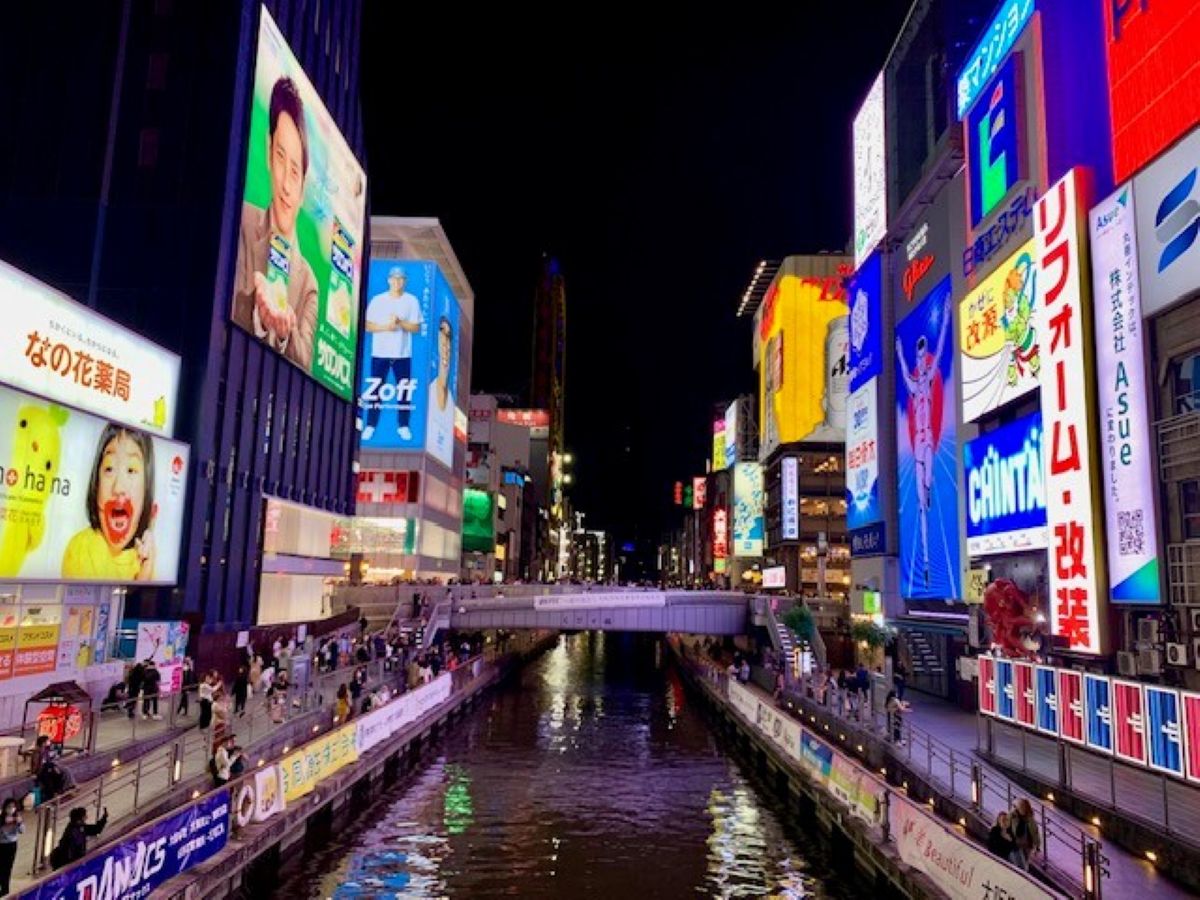
- Evening – Dotonbori canal walk and Namba backstreets for dinner.
- Alternate – Swap Osaka Castle for Umeda Sky Building if you prefer skyline views.
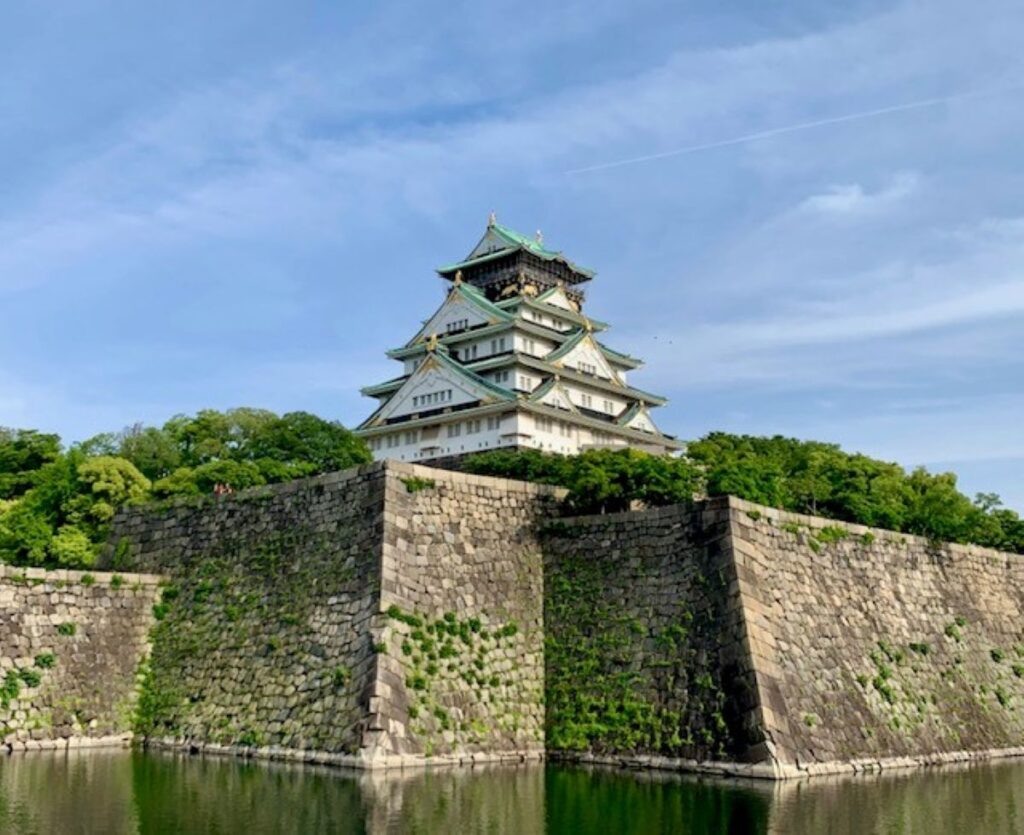
Morning: Osaka Castle
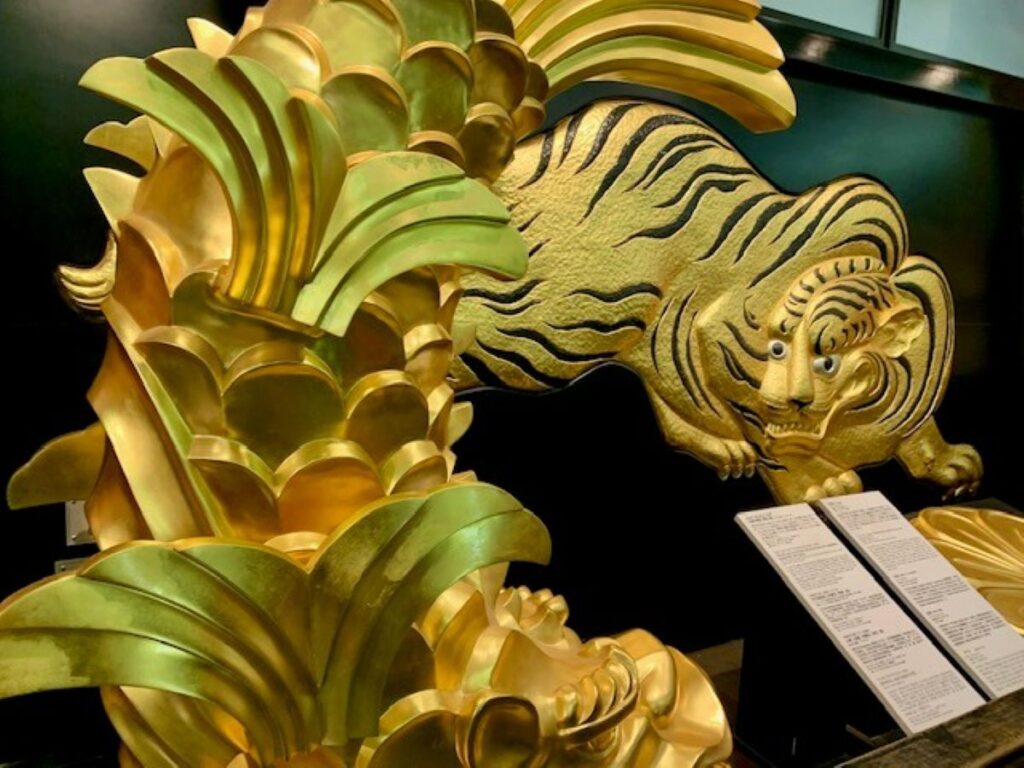
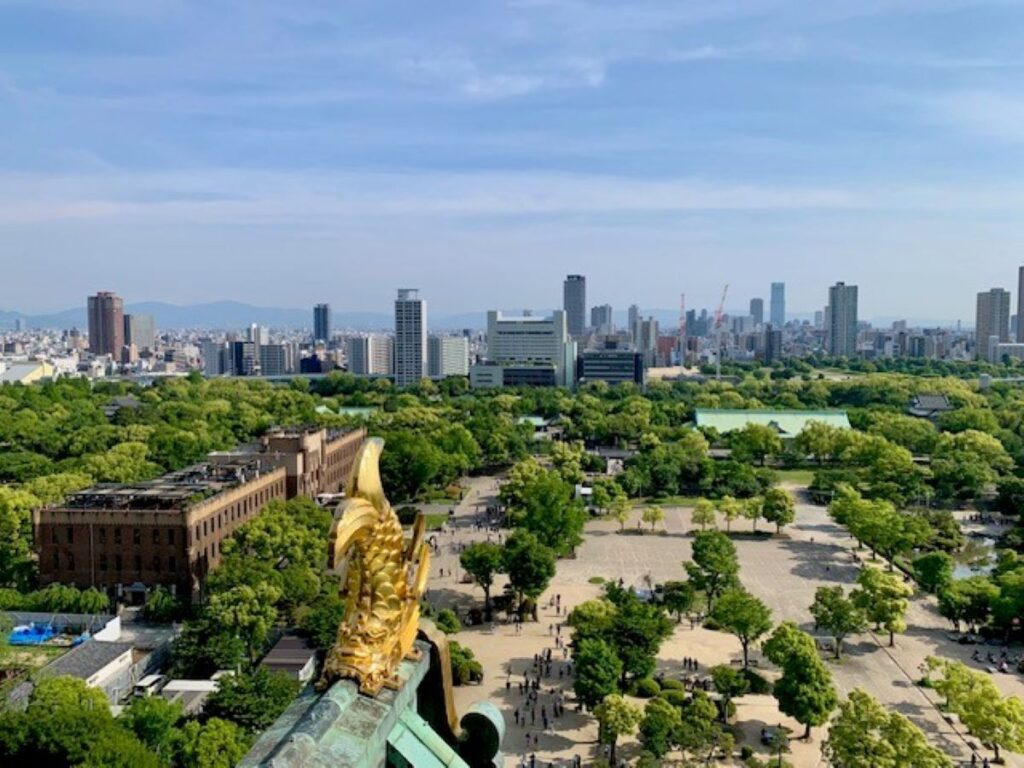
Kickstart your day with a visit to the iconic Osaka Castle, one of Japan’s most famous landmarks. The museum inside offers a fascinating collection of artefacts and displays, detailing the castle’s storied past and significance in Japanese history.
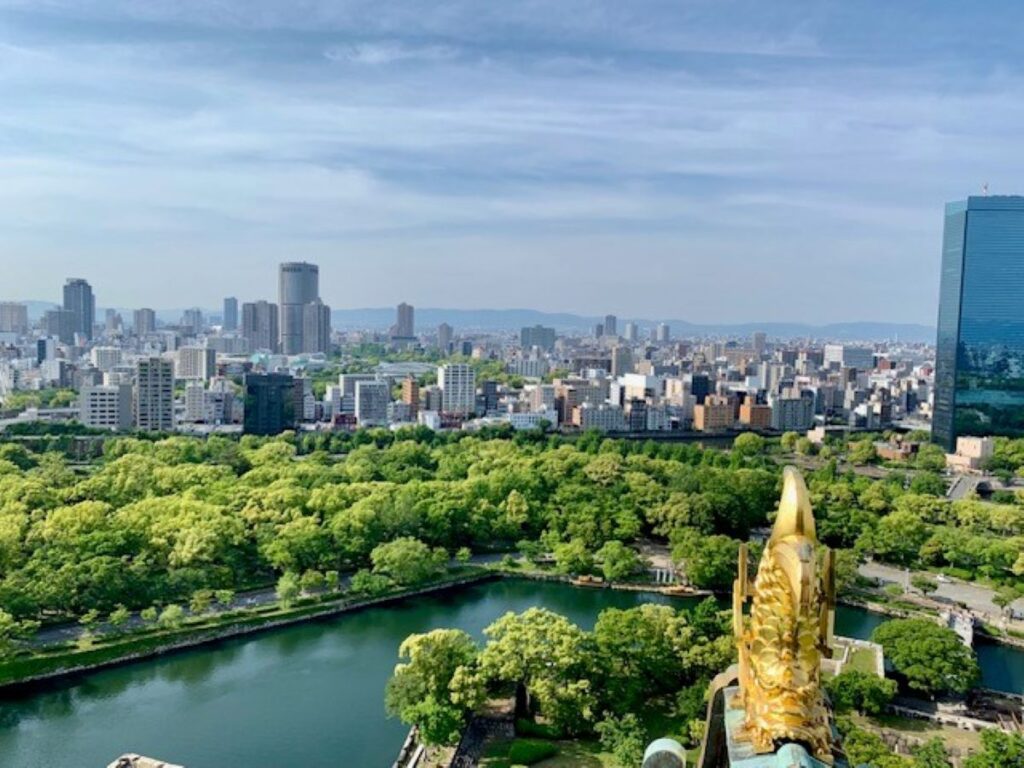
The view from the top is also pretty special, giving you a 360 vista and an idea of the scale of Japan’s 3rd biggest city. Surrounding the castle is a sprawling park, perfect for a morning stroll. The park offers photo opportunities with the castle as a excellent backdrop.
Location: Osaka Castle 1-1 Osakajo, Chuo Ward
Tanimachi Yonchome Station and a short walk
Opening times: 9 – 5pm (last admission 4.30pm)
Cost: 1,200Y for adults. Children U15 free. (The price went up from 600Y in 2025, worth knowing before you queue)
MY TOP TIP: If you have made the decision to be in Osaka for cherry blossom season then I recommend spending some time in the Nishinomaru Gardens adjacent to the castle. Try my cherry blossom planning guide to make the most of it.
This is Osaka’s number one Hanami (flower viewing) spot. During Sakura season the gardens are opened until 9pm, with the trees illuminated from 6pm for added photo opps.
Midday: Kuromon Ichiba Market
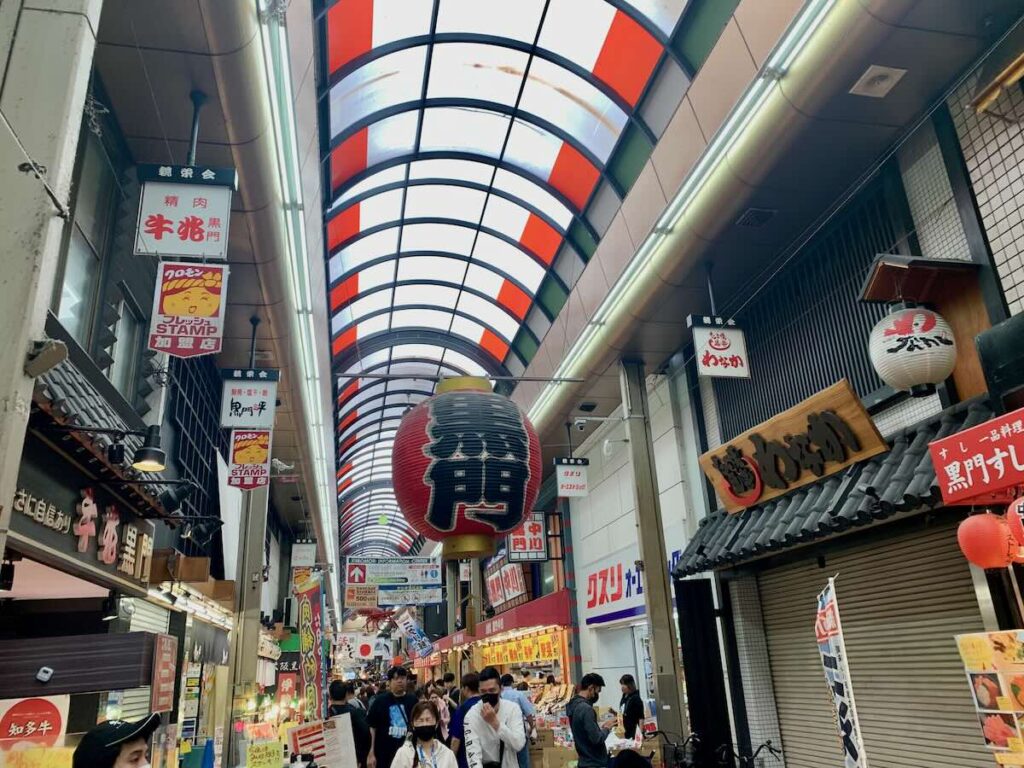
From Osaka Castle, make your way to Kuromon Ichiba Market for your first feast in the city. This market, known as ‘Osaka’s Kitchen’, has been around for 150 years. It is where locals and tourists alike come to sample the best of what Osaka has to offer.
Specialising in fresh produce and ready-to-eat bites. Enjoy a leisurely lunch here, trying out different stalls that offer everything from freshly sliced sashimi to deliciously grilled seafood.
Don’t miss out on other local specialties like kushikatsu (deep-fried skewered meat and vegetables) and tako tamago (a snack of baby octopus stuffed with a quail egg – I can confirm it’s nicer than it sounds). The market is fully covered and has around 150 stalls to choose from, you will find something for everyone’s taste.
Location: Kuromon Ichiba Market 2 Chome-4 Nipponbashi, Chuo Ward
Nippombashi Station and a short walk
Opening times: 8/9am – 5pm
Cost: FREE
Afternoon: Shinsaibashi Shopping District
After filling up at Kuromon Market, take a short train ride or walk to the Shinsaibashi Shopping District. This area is Osaka’s premier shopping destination, featuring a mix of high-end retailers and quaint local boutiques. Spend your afternoon wandering through Shinsaibashi’s covered shopping arcade, one of the longest in Japan. Here, you can find everything from the latest fashion trends to traditional Japanese crafts.
Yes, there is high end fashion here, but you don’t need to have a bulging wallet as there are plenty of smaller shops that are a great place to pick up souvenirs. Keep an eye out for the unique Osaka-only merchandise that reflects the quirky spirit of the city.
Location: Shinsaibashi Subway Station
MY TOP TIP: If you don’t have any desire to shop, and this is your only day, why not check out the Namba Yasaka shrine instead. It known for its strikingly unique architecture, particularly the enormous lion head-shaped stage that dominates the shrine grounds.
Location: 7 minute walk from Namba Station or a 17 minute walk from Kuromon Ichiba Market
Evening: Dotonbori
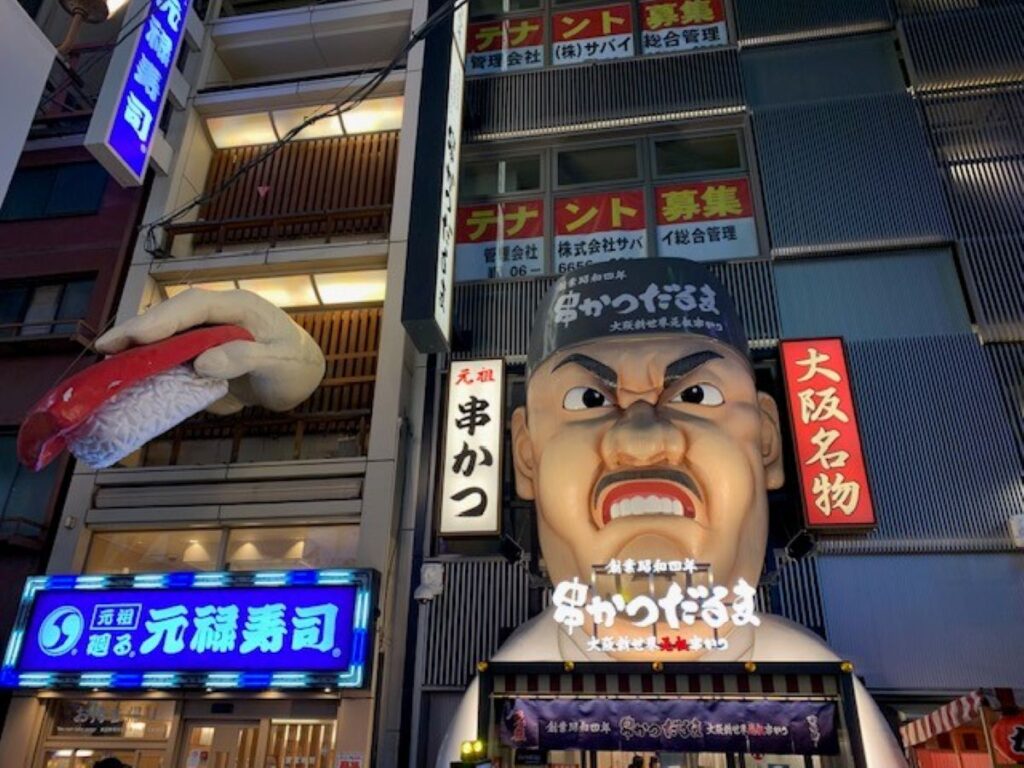
As the sun sets, head towards Dotonbori, the heart of Osaka’s nightlife and entertainment district. By now you should have started to work up a hunger again, you will need it.
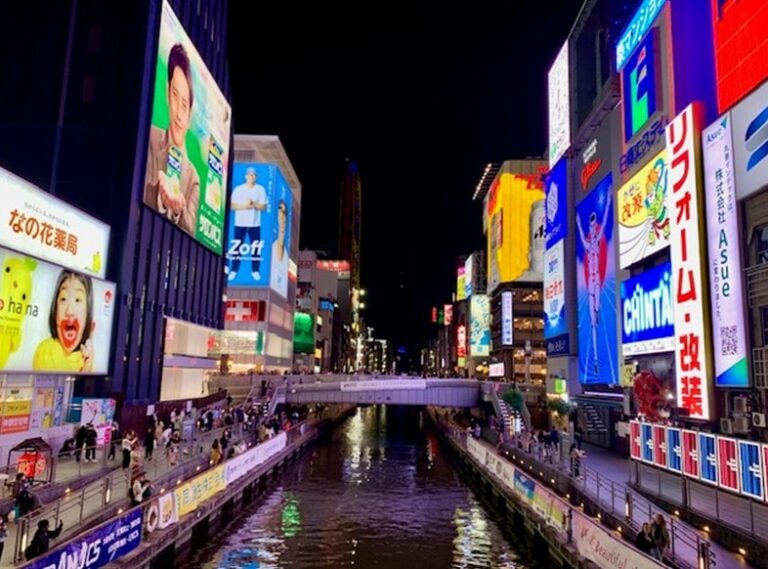
This area comes alive in the evening with its dazzling neon lights and animated signs, including the famous Glico Man sign, a must-see for any first-time visitor. Take a stroll across Ebisubashi Bridge for an iconic photo opportunity.
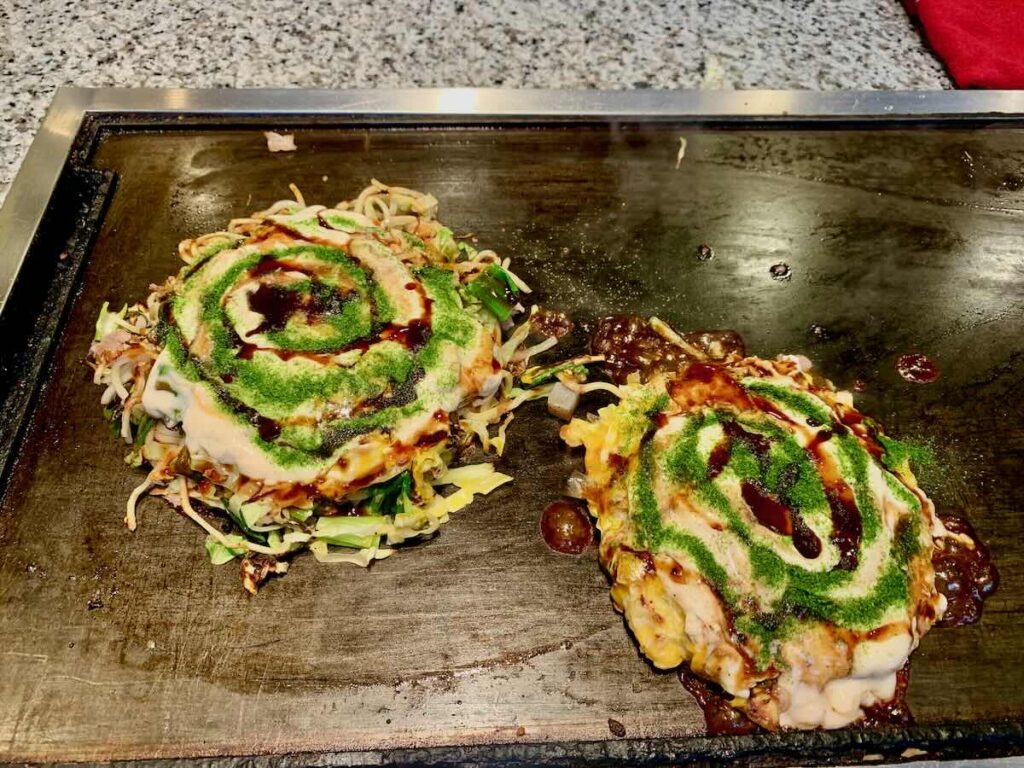
Dotonbori is the perfect place to experience Osaka’s renowned street food culture. Wander along the streets and sample local favourites such as takoyaki, okonomiyaki, and yakitori from various food stalls and small eateries.
My Top Tip! If you want a proper sit-down okonomiyaki rather than a quick stall one, Mizuno is the one I’d point you to, it’s a long-running Dotonbori spot and the queue moves faster than it looks.
Your night can be as long as you want from this point, so I will leave that decision up to you. Just know, Osakans are famed for their hospitality, I can vouch for this as we were welcomed with open arms into several bars and karaoke spots.
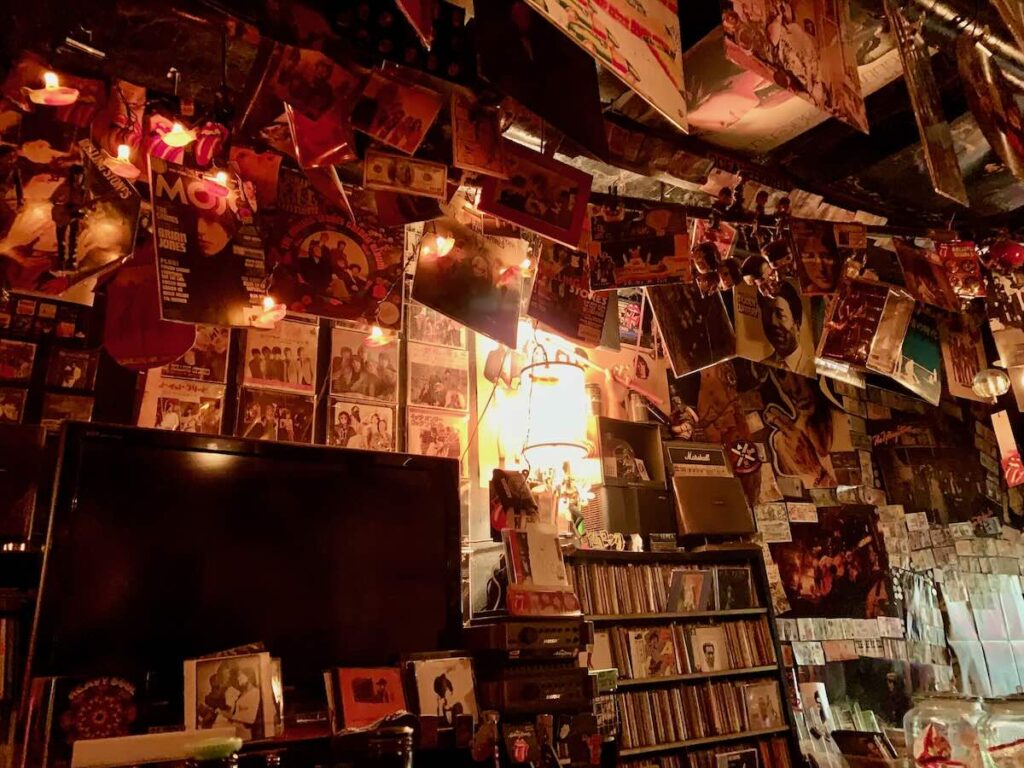
My Top Tip! If you want a proper local spot rather than a tourist bar, track down Fanny Mae’s. It’s a tiny, dimly lit place with the walls and ceiling buried under vinyl and old rock posters, heavy on the Rolling Stones. Great music, no fuss, exactly the kind of bar you hope to stumble on in Osaka.
Location: 5 minute walk from Namba Station
Get prepared for your Japan trip with my first-timer starter kit
- Break down the language barrier: key phrases and tech for an easy first trip
- How to stay connected: the cheapest data and easiest setup
- Japan on a budget: how to save money without missing the best bits
- Avoid currency fees: the best cards for spending and cash
- How much a trip to Japan costs: Totals for 7, 10 and 14 days, plus a typical day cost
- 25 apps that make your trip easier: the best free downloads
- Save 30 to 90 minutes at the airport: the free Visit Japan Web QR code
- Etiquette do’s and don’ts: what to know on your first visit
2 Days in Osaka: The highlights
Day two in Osaka takes you to one of the world’s largest aquariums and panoramic views of the city. Enjoy a blend of leisure, shopping, and sights in Osaka’s Bay Area and Umeda district.
- Day 2 Morning – Osaka Aquarium (Kaiyukan) in the Bay Area.
- Afternoon – Tempozan lunch and harbour stroll; optional Ferris wheel.
- Evening – Umeda food halls (depachika) and city lights.
- Rain swap – Osaka Museum of History or Housing and Living.
Morning: Osaka Aquarium Kaiyukan
Start your day at the Osaka Aquarium Kaiyukan, located in the Tempozan Harbor Village. The aquarium is know for its innovative presentation of marine life, organized into regions of the Pacific Rim.
Begin your tour by greeting the otters and penguins, before moving on to the impressive central tank, where you can marvel at the whale sharks and rays.
Location: Osaka Aquarium Kaiyukan 1 Chome-1-10 Kaigandori, Minato Ward
Osakako Station on the Chuo line
Opening times: 10am – 8pm (last entry 7pm)
Cost: Kaiyukan now uses dynamic pricing, so it changes by date. Expect roughly; Adult 2,700Y, 7-15years 1,400Y and 2-6years 700Y
Midday: Lunch at Tempozan Marketplace
After exploring the ocean, head over to Tempozan Marketplace for lunch. This marketplace offers a wide array of dining options, from quick bites to sit-down meals. Choose from local Japanese dishes or international cuisine, all while enjoying the laid-back atmosphere of the harbour.
Location: Right next to the aquarium
Afternoon: Tempozan Ferris Wheel
Post-lunch, step outside to experience an Osaka landmark, the Tempozan Ferris Wheel. At 112.5 meters high, it provides one of the best views of the Osaka Bay area and the city skyline.
Location: Tempozan Ferris Wheel 1 Chome-1-10 Kaigandōri, Minato-ku
Right next to the marketplace and aquarium
Opening times: 10am – 10pm (last entry 9.30pm)
Cost: 800Y
Late Afternoon: Umeda Sky Building – see the city from above
Next, make your way to the Umeda Sky Building, located in the bustling business district of Umeda. The journey from the bay area to Umeda is quick and efficient using Osaka’s public transport. Once there, head up to the spectacular Floating Garden Observatory. This connects the two towers of the Umeda Sky Building on the 39th floor. This observation deck offers a 360-degree view of Osaka and is a great spot to watch the sunset over the city.
The views from the top are special, but it’s also worth visiting the basement. Why, because there is a hidden street market with around 20 vendors, replicating a scene from the Showa era in the late 20th century. A fine place for your evening meal. If this is too soon post marketplace, then head out into the wider Umeda area.
Location: Kuchu Teien Observatory 1 Chome-1-87 Oyodonaka, Kita
Umeda Station on the Midosuji line
Opening times: 9.30am – 10.30pm
Cost: Adults 1,500Y, children 4 -12 years 700Y
Evening: Explore Umeda Area
After a busy day you have choices to make; shopping, entertainment or an early night.
If you choose shopping then spend your evening exploring the areas shops, from high-end department stores to boutique outlets.
If you don’t feel like shopping I recommend Umeda’s range of bars and restaurants, offering everything from traditional Japanese izakaya to trendy cocktail bars. The Michelin guide was our friend in this area, with a varied range of pricing meaning there are options for every budget.
3 days in Osaka: The perfect amount
On your third day in Osaka, I recommend some culture and retro charm. This day is a blend of nostalgia and contemporary culture, ending with a lively night in two of Osaka’s most iconic districts, if you have the energy
- Day 3 Morning – Shinsekai and the Tsutenkaku Tower
- Afternoon – Tennoji park and zoo
- Evening – Amerikamura and some shops and video games or a later night in Dotonbori
Morning: Shinsekai District
Begin your day in Shinsekai, a district that allows you to truly experience retro Osaka and it’s atmosphere. Translated as “New World,” Shinsekai has retained much of its character and charm since its creation in 1912.
First on the agenda is the Tsutenkaku Tower. Standing 103 metres tall as a symbol of Osaka’s resilience, the tower offers not one, not two, but three observation decks with panoramic views of the city and its surroundings. This attraction saves the best for last, you exit the tower in true style with a 60 metre long slide (optional, but highly recommended!).
Location: Tsutenkaku Tower 1 Chome-18-6 Ebisuhigashi, Naniwa Ward
Dobutsen-Mae station on the Midosuji line
Opening times: 9am – 9pm (last admission 8.30pm)
Cost: Adult 900Y, children 400Y
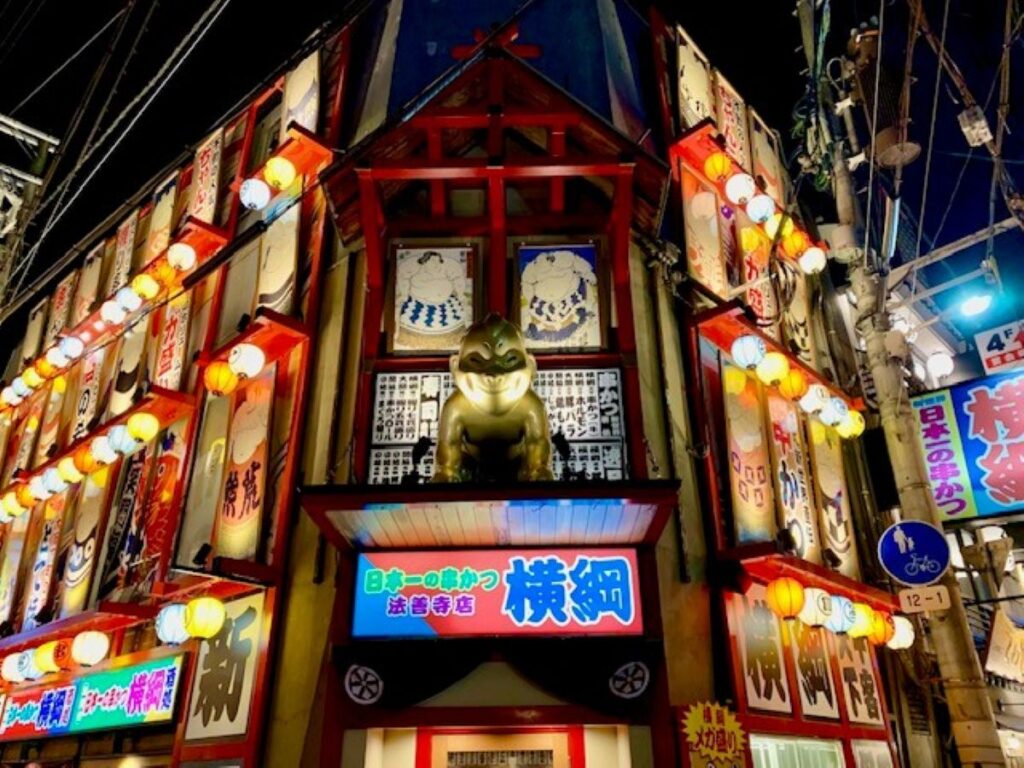
By now you will have worked up enough of an appetite to try the food the area is most famous for, kushikatsu. These skewered and deep-fried meat and vegetables can be found in most diners in the area.
Afternoon: Tennoji Park and Zoo
A short walk from Shinsekai will lead you to Tennoji Park, a beautiful green space that offers an escape from the city’s hustle. Enjoy a stroll through the beautifully landscaped gardens, there are plenty of tea houses if you want a refreshment break.
Adjacent to the park is Tennoji Zoo, home to a wide variety of species and known for its efforts in wildlife conservation. I know Zoo’s are divisive, so make your own choice here. The zoo over indexes it’s focus on a fun and educational experience, making it ideal for families.
Late Afternoon: Amerikamura District
Head over to Amerikamura, affectionately known as “Amemura” by locals. Renowned for its youth culture and American-inspired fashion.
We found this a really interesting neighbourhood, and enjoyed exploring quirky shops that sell everything from vintage American clothes to the latest Japanese street fashion.
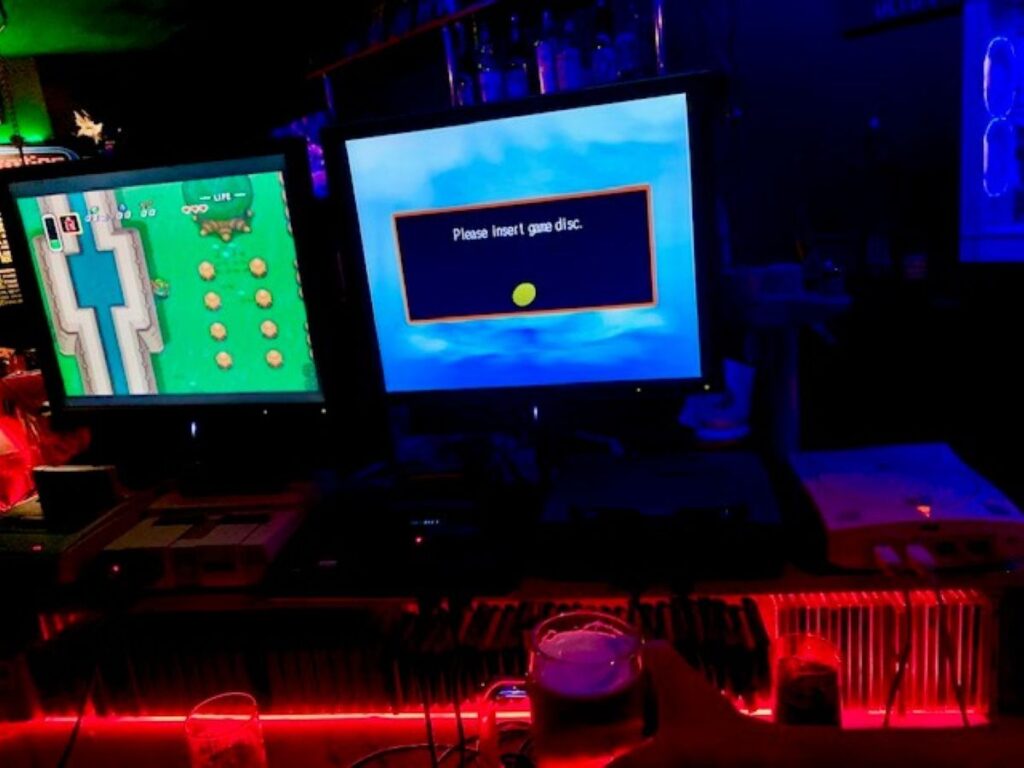
My Top Tip! Amemura is also home to some very cool bars and cafes. I particularly enjoyed Space Station. A modern and retro (yes both at the same time) video game bar. It has an impressive cocktail and beer menu and all the video games you can play, totally free of charge.
The game collection spans everyone’s childhoods, no matter ages, to modern day. The staff were very welcoming and gave us some fantastic recommendations to keep the group entertained for several hours!
Location: 2 Chome-13-3 Nishishinsaibashi
Opening times: Sun-Thurs 5pm – 12am, Friday/Saturday 5pm – 2am
Evening: Return to Dotonbori or Namba
For your final evening, venture back to Dotonbori or explore the adjacent Namba area. Whether you’re in the mood for a leisurely riverfront stroll and dinner, some last-minute shopping, or checking out the local bars and clubs, these districts offer a lot of choice.
I recommend making sure you try any street food you might have missed or get those iconic snaps of the giant crab, Glico man or various other wonderful oddities!

4 or 5 days in Osaka: You get to see it all
If you are lucky enough to have more time to explore the city centre and all it has to offer, good news read on. Below are a few more main attractions to maximise your first trip.
Universal Studios Japan
Theme parks are something you either love or hate. If you love them, you are in luck. Universal Studios Japan is a must-visit for any traveller looking for a theme park fix during their time in Japan. Since its opening in March 2001, this theme park has become one of the top attractions not only in Osaka but throughout Japan, drawing millions of visitors each year. With a variety of rides, shows, and attractions based on famous Hollywood movies and franchises, it offers an exciting adventure for all ages.
Introduction to Universal Studios Japan
Universal Studios Japan (USJ) is one of the four Universal Studios theme parks in the world and was the first to open in Asia. It spans approximately 54 hectares (about 133 acres) and is strategically located near Osaka Bay, making it easily accessible from central Osaka and Kansai International Airport.
Key Attractions and Rides
USJ is known for its highly immersive and entertaining attractions. Some of the most popular include:
- The Wizarding World of Harry Potter: This area offers an incredibly detailed and faithful recreation of the Harry Potter universe. Visitors can explore Hogwarts Castle, shop in Hogsmeade, and even enjoy a cold Butterbeer. The highlight is the “Harry Potter and the Forbidden Journey” ride, a thrilling adventure that brings the magic of Harry Potter to life.
- Minion Park: This area is dedicated to the beloved characters from the “Despicable Me” franchise. It’s a hit with families, especially the “Despicable Me Minion Mayhem” ride, which is a hilarious 3D motion simulator experience.
- Jurassic Park: This section features attractions like “The Flying Dinosaur” roller coaster, which suspends riders beneath the track for an exhilarating ride over the park’s Jurassic landscape, and the “Jurassic Park – The Ride,” a water-based adventure that ends with a thrilling drop.
- Super Nintendo World: Opened in 2021, this latest addition offers an immersive experience where guests can step into the worlds of Nintendo. Attractions include “Mario Kart: Koopa’s Challenge” and interactive areas where guests can feel as if they’re part of their favorite video games.
Practical Information
- Tickets: It’s advisable to purchase tickets in advance, especially during peak seasons, to avoid long lines at the entrance. Various types of passes are available, including Express Passes that allow priority access to popular rides.
- Best Time to Visit: Weekdays during off-peak seasons. Late winter and early spring are the best times to visit to avoid large crowds.
- Accessibility: USJ is fully accessible. With rental services for wheelchairs and strollers, and most rides and attractions are accessible to all visitors.
Location: Universal Studios 2-1-33 Sakurajima, Konohana-ku
How to get there: The JR Yumesaki Line train to Universal-city station. All of which are painted with Univeral themes so are impossible to miss!
Opening times: 9am-7pm (later at certain times of year check the website here for exact details)
Cost: Adults 8,600Y, Children 4-11years 5,600Y
If it rains: Round One Stadium – Spocha
I was incredibly unlucky on one of my days in Osaka as there was torrential rain all day. The benefit of this, I now have a couple of great recommendations for you if you suffer a similar fate! The first was something that surpassed all expectations and ended up being a highlight of our trip. Round One Stadium.
Round 1 Osaka is a vast entertainment complex that’s part of the popular Japanese Round 1 franchise, known for offering a diverse range of indoor sports and recreational activities. “Spocha” provides a different kind of amusement experience, blending traditional sports (SPO) with innovative and quirky challenges (CHA).
Set over 7 floors, visitors can engage in activities ranging from bowling, batting cages, and roller skating to unique options like bubble soccer, indoor fishing, and even a mechanical bull. There is also a floor dedicated to arcade games, karaoke rooms and a variety of virtual reality experiences. This variety makes it an ideal spot for family fun or a day out with friends. Whether sports or games are your thing there is something for everyone when the weather outside doesn’t play ball.
The best part of all of this is the pricing format. You do not pay per play, once you are inside everything is free, all sports, virtual reality and arcade machines. The value was absolutely fantastic.
Find the desk on the third floor (don’t get sucked into the first 2 floors!) and pick how long you want. We planned to only stay for 3 hours but enjoyed it so much we stayed for longer. They have food and drinks available inside also, including beers. An excellent shelter from any adverse weather.
Location: 1 Chome-3-1 Namba, Chuo Ward. In between Namba and Nippombashi stations
Opening times: 24 hours
Cost: 2130Y for a 3 hours slot (pay as you leave once they have given you a wristband)
If it rains: Osaka Museum of History
If you’re keen to unearth the ancient roots of Osaka, the Osaka Museum of History is an unmissable destination. Opened in 2003 and featuring modern, sleek architecture that contrasts strikingly with the nearby Osaka Castle, the museum offers an immersive journey through the city’s rich history. Start your exploration on the 10th floor with a full-size recreation of the Naniwanomiya Palace, the oldest part of the city’s past. Gradually descend through exhibits that showcase the evolution of Osaka up to the early Showa Period. Each floor is dedicated to a different era, becoming more contemporary as you approach ground level.
The museum educates and captivates, with life-size models, scale replicas, intricate dioramas, and multimedia presentations that bring each period to life. Storied photographs and films add depth, illustrating the transformative journey of Japan’s first capital. Panoramic windows on each floor offer breathtaking views of Osaka Castle, further enhancing the contextual experience. This design provides visitors with a multi-layered understanding of Osaka’s 1350-year history. Making the Osaka Museum of History a dream destination for any history enthusiast or fellow escapee from the rain!
Location: 4 Chome-1-32 Otemae, Chuo Ward.
5 minute walk from Tanimachi Yonchome station. It’s right next to the castle
Opening times: 9.30am – 5pm
Cost: 600Y Adults
Downloadable map of my Osaka Itinerary
FREE GUIDE
Planning your trip to Japan?
I made a free 13-page guide that strips Japan planning down to the few decisions that matter.
No ads, instant download.
Day trips outside of Osaka
There are a lot of very easily done day trips from Osaka, so many choose to use it as a base to explore from. Here are the best in my opinion
Day Trip from Osaka to Kyoto
Kyoto was once the capital of Japan, and it feels a world away from Osaka. Temples, traditional tea houses and well-preserved old streets, where Osaka is neon and noise, Kyoto is the historic counterpoint. It’s the obvious day trip if you want a day of history and traditional old streets.
See my detailed Kyoto itinerary for an extra level of detail in your planning, including transport and what to see.
Before you plan Kyoto as a day trip, it’s worth deciding whether you should be sleeping there instead. Kyoto’s best hours are early, and you can’t get to Fushimi Inari or the bamboo grove at 07:30 from an Osaka hotel. My Kyoto vs Osaka guide has my verdict on which to base in and how to split your nights if you do both.
Getting There:
The fastest way is by taking the JR Tokaido Shinkansen (bullet train) from Shin-Osaka Station to Kyoto Station, which takes about 15 minutes. Alternatively, local trains such as the JR Rapid Service or the Keihan Main Line offer a more economical option, with travel times ranging from 30 to 45 minutes. This is another opportunity to utilise your JR pass if you opted for one
Top Attractions:
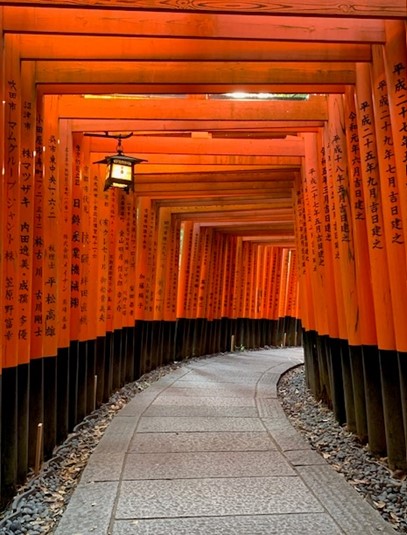
- Fushimi Inari Shrine: Thousands of vermilion torii gates form a winding path up the mountain behind the shrine. It’s one of the most photographed spots in Japan, and for good reason.
- Kinkaku-ji (Golden Pavilion): A Zen Buddhist temple whose top two floors are completely covered in gold leaf, shining brilliantly beside a tranquil pond, making it a stunning sight in all seasons.
- Arashiyama Bamboo Grove: Located on the outskirts of Kyoto, this natural forest of bamboo is a surreal and beautiful place to walk through, especially in the morning light.
Hidden Gems:
- Tofuku-ji Temple: Famous for its spectacular autumn colours and less crowded than more famous sites. This temple offers a peaceful retreat with its beautiful gardens and architecture.
- Philosopher’s Path: A stone path through the northern part of Kyoto’s Higashiyama district. Perfect for a quiet stroll especially during cherry blossom season.
Best Photo Spots:
- Gion District: Old Kyoto’s traditional machiya townhouses, and if you’re lucky a glimpse of a geisha or maiko heading to an appointment. Be respectful with photos, the back streets have rules about it now.
- Kiyomizu-dera Temple: From the temple’s famous wooden stage, take panoramic shots of Kyoto against the backdrop of the city and mountains.
Day Trip from Osaka to Nara
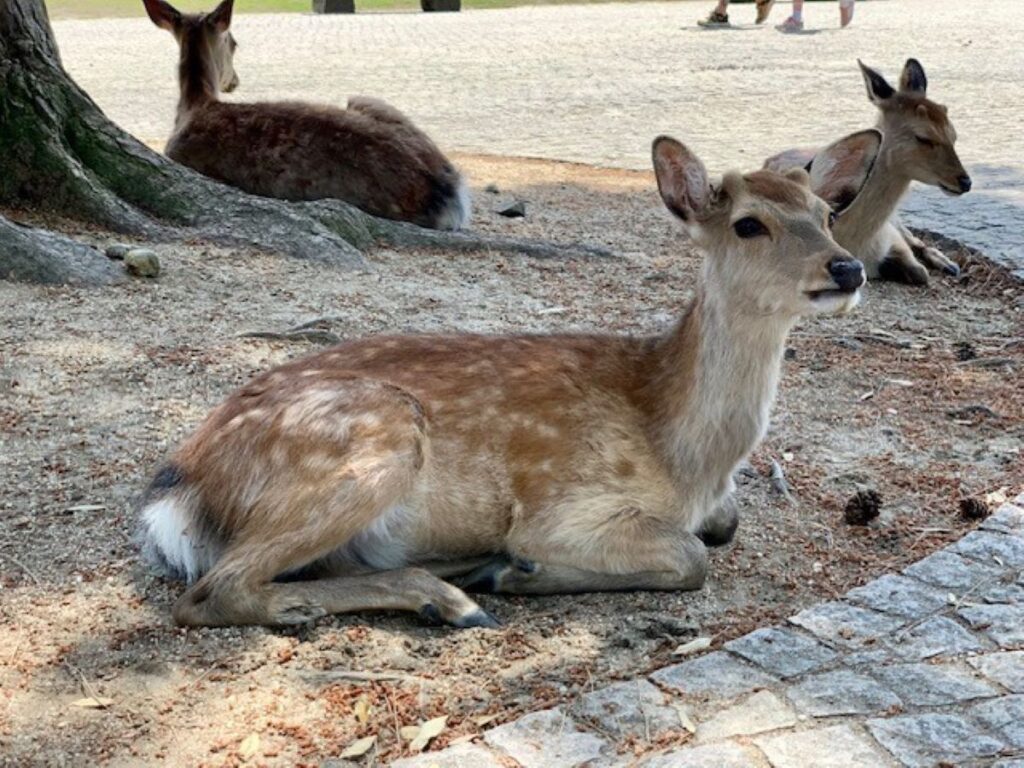
Nara, Japan’s first permanent capital, is just a short train ride from Osaka, Known for its friendly deer that roam freely around park areas. Nara provides a distinct contrast to Osaka.
Read my full guide on how to do a day trip to Nara from Osaka. I map the perfect route, how long it takes and have plotted it all on a free downloadable google map
Getting There:
You can take the JR Yamatoji Rapid Service from JR Osaka Station to JR Nara Station, which takes about 45 minutes. Alternatively, the Kintetsu Nara Line from Osaka’s Kintetsu Namba Station to Kintetsu Nara Station offers a slightly faster connection, taking about 35 minutes. Both services provide frequent departures and you can use your JR pass.
Top Attractions:
- Todai-ji Temple: Home to the world’s largest bronze Buddha statue. This imposing temple is not only a marvel of religious architecture but also a UNESCO World Heritage site.
- Nara Park: Famous for its hundreds of freely roaming deer, considered messengers of the gods in Shinto religion. The park also contains several of Nara’s major sites and provides a pleasant natural setting for a leisurely walk.
- Kasuga-taisha Shrine: Renowned for its hundreds of bronze and stone lanterns, which line its pathways. This Shinto shrine is especially picturesque during the lantern festivals in February and August.
Best Photo Spots:
- Deer in Nara Park: Capturing the deer up close, with Todai-ji Temple or the lush park setting in the background, can make for a memorable shot.
- Pathways of Kasuga-taisha during lantern festivals: The lit lanterns provide a magical atmosphere and are perfect for evening photography.
Day Trip from Osaka to Himeji
Himeji, known for its breath-taking Himeji Castle, is often referred to as “White Heron Castle” for its elegant, white façade.
Himeji Castle is not only one of Japan’s most stunning surviving examples of castle architecture but also a UNESCO World Heritage Site. The castle is set against a backdrop of meticulous gardens and smaller, less busy cultural sites.
Getting There:
The fastest way is by taking the Shinkansen (bullet train) from Shin-Osaka Station to Himeji Station, which takes about 45 minutes. Alternatively, the JR Special Rapid Service operates from JR Osaka Station and reaches Himeji Station in about an hour. These frequent services make it easy to plan a day trip. For holders of the JR Pass, this journey can be included at no extra cost.
Top Attractions:
- Himeji Castle: Explore this iconic Japanese castle, known for its imposing size and beauty as well as its advanced defensive design. The castle’s grounds and interiors offer a glimpse into the feudal era, and the view from the top of the six-story keep is spectacular.
- Kokoen Garden: Located next to Himeji Castle. This relatively new garden consists of nine separately walled gardens, designed in various styles of the Edo period. It’s a great spot to experience traditional Japanese landscape design.
Best Photo Spots:
- Himeji Castle’s Main Keep: Capture the stunning architecture of the castle. Especially beautiful during the cherry blossom season or autumn, when the surrounding scenery bursts into vibrant colors.
- Engyoji Temple on Mount Shosha: Offers a peaceful setting that is particularly photogenic in the fall or when mist envelops the mountain.
Osaka Passes made easy: which one (if any) should you buy?
Osaka Amazing Pass (1–2 days)
- Included: Osaka Metro and city buses; free/discounted entry to selected Osaka attractions (observation decks, boat rides, museums). FULL LIST HERE
- Not included: JR trains; shinkansen; Universal Studios Japan (USJ) tickets or Express Pass.
- Best for: 1–2 city-only days when you’ll do 3+ eligible paid sights plus several metro rides.
- Skip if: Your plan is mostly free areas (Dotonbori/arcades/markets), or you’ll spend a day at USJ.
- Watch Outs: Value drops if you don’t use the covered attractions; activate early to maximise rides/entries.
- BUY YOURS HERE
Kansai Thru Pass (2 or 3 days, non-consecutive)
- Included: Many private railways and most subways/buses across the wider Kansai region (Osaka, Kobe, Nara, Koyasan, etc.).
- Not included: JR trains; shinkansen; attraction tickets.
- Best for: Multi-city plans over 2–3 days (e.g., Osaka ↔ Nara/Kobe/Koyasan) using private lines.
- Skip if: You’ll mainly ride JR (e.g., Osaka–Himeji by JR Special Rapid) or you are only going to stay in Osaka
- Watch Outs: Non-consecutive days are allowed, useful for spacing day trips across the region.
- BUY YOURS HERE
ICOCA (SUICA, Passmo e.t.c.)
- Included: Tap-in pay-as-you-go on almost all trains, subways, and buses (JR and non-JR) across most of Japan; handy for small purchases at many kiosks.
- Not included: Discounts or free entries; USJ tickets.
- Best for: Pretty much anyone travelling in Japan. It is one of the main things I recommend to anyone going.
- Watch Out: It’s convenience, not a discount, top up as you go.
My Quick tips:
- Check which attractions are actually covered by the Amazing Pass on your dates; build your day around them.
- Activate any day-based pass early; avoid “wasting” half a day.
Where to Stay in Osaka?
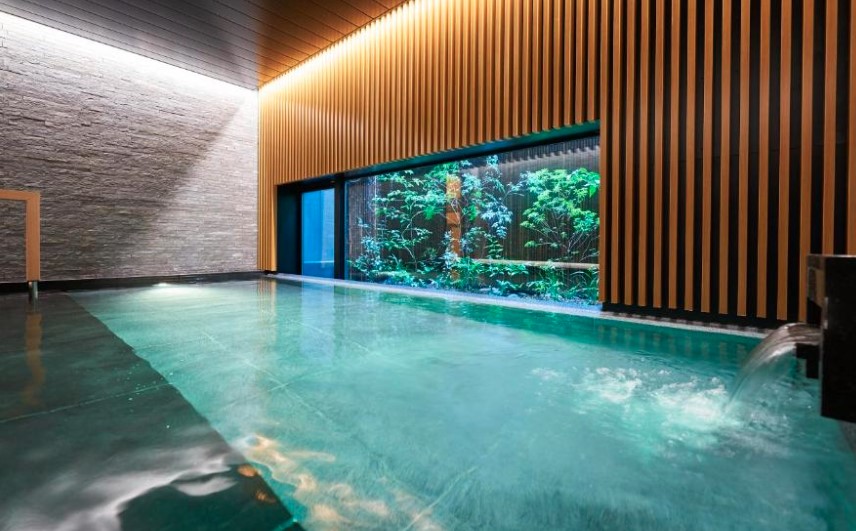
Check out my in depth guide to the best hotels in Osaka for all budgets, and if you are a family I’m conscious you may need more space, guaranteed interconnecting rooms, or some special requirements for your little ones, I have some excellent family hotel recommendations
| Base area | Best for | Why choose it | Watch-outs |
| Namba | Food and nightlife | Walk to Dotonbori, Kuromon, Shinsaibashi; strong metro links | Can feel busy late; smaller rooms common |
| Umeda/Osaka Station | Day trips and USJ access | JR and private rail hub; great depachika | Longer walks inside big stations |
| Shin-Osaka | Early/late shinkansen | On the bullet-train line; easy transfers | Fewer sights on the doorstep; quieter at night |
What is the best time to visit Osaka?
TOP TIP! Stuck on what month to go to Japan? – my detailed guide breaks down the best months for weather, crowds, costs and festivals
Spring (March to May) is the most popular time to visit, and for good reason. Cherry blossom lands roughly late March to early April, and the spots around Osaka Castle and along the Okawa River are some of the best in the city for it. The weather is mild and good for walking. It’s also the busiest and priciest window, so book early.
Autumn (October to November) is my other pick. The autumn leaves are excellent, and Minoo Park, a short train ride from the centre, is the standout spot for them. The weather is cool and comfortable for being out all day, and it’s a good time for Osaka’s seasonal food.
TOP TIP: We used our mobiles for directions, booking and transport. Coming from the UK our network providers had packages available for data but they were a total rip off. We chose to use Airalo for an eSIM. Giving us all the data we needed at a fraction of the price, without needing to get a physical SIM or change number. It has been fantastic in multiple countries! Get yours here or check out my guide to the best WiFi and SIM options
Destinations in Japan easily reached from Osaka Kansai
Kansai International Airport (KIX) is very well connected throughout Japan, as well as internationally, and can often present a more cost effective travel option than the Shinkansen.
Before any of that you have to get into the city from the airport, which I cover in my guide on getting from Kansai Airport to Osaka.
As well as a great way to get to Tokyo (1hr 25mins), both cheaper and faster than the train, you can very easily access these key tourist hubs in Japan with direct flights
- Okinawa
- Hokkaido – both Sapporo and Hakodate
- Fukuoka
- Kagoshima
- Niigata
- Miyakojima
Must try dishes when in Osaka
- Takoyaki – Often dubbed “Osaka soul food”. These are hot, round balls of batter filled with diced octopus, tempura scraps, pickled ginger, and green onion. Cooked in a special moulded pan, they’re typically slathered with mayonnaise and takoyaki sauce, then sprinkled with green laver (aonori) and shavings of dried bonito (katsuobushi).
- Okonomiyaki – This savory pancake is made from a mixture of batter and cabbage, with additional ingredients such as pork, octopus, squid, shrimp, or vegetables. The mixture is cooked on a griddle and often topped with a variety of condiments like okonomiyaki sauce, mayonnaise, green laver, and bonito flakes.
- Kushikatsu – Also known as kushiage, these are skewers of breaded and deep-fried meats, seafood, and vegetables. Served with a side of dipping sauce, kushikatsu is a popular dish in Shinsekai, an old neighborhood of Osaka. Remember the rule: no double dipping in the communal sauce pot!
- Yakiniku – Translating directly to “grilled meat”. Yakiniku is a style of dining where you grill bite-sized pieces of meat and vegetables right at your table. Osaka boasts many specialty yakiniku restaurants that offer a range of meats, including premium cuts of beef.
FREE GUIDE
Planning your trip to Japan?
I made a free 13-page guide that strips Japan planning down to the few decisions that matter.
No ads, instant download.
FAQs about Osaka
Is two days enough in Osaka?
Yes. 2 days in Osaka is enough for highlights if you group sights by area. Day 1: Dotonbori, Shinsaibashi, and Osaka Castle or Umeda view. Day 2: Aquarium (Bay Area) or Universal Studios Japan, not both.
Should I base myself in Osaka or Kyoto?
Base yourself in Kyoto for temples, historic streets, and early-morning starts. Choose Osaka for food, nightlife, Universal Studios Japan, and easy late dining. With 4–7 days, I recommend you split your stay and really explore both.
How long do you need to do USJ?
One full day. Arrive before opening; book an Express Pass on weekends, holidays, or school breaks to cut waits.
Is Osaka good with children?
Yes. Short metro trips, covered shopping arcades, and kid-friendly sights (Aquarium, bay cruises, USJ) make it easy. Stay near Namba or Umeda for quick transport and food options.
Is Osaka or Kyoto better to visit?
Neither is “better”, they offer different things. Pick Kyoto for culture and old towns; pick Osaka for food, neon canals, and theme parks. If you can, visit both. I have covered this in detail in my Kyoto vs Osaka guide.
Can I just do Osaka as a day trip?
Yes from Kyoto (very quick by train). From Tokyo, it’s a long return, so consider an overnight. Whilst it is possible as a day trip, I recommend at least staying a couple of days to really experience the city.


32 Comments
Comments are closed.