
Planning a Hiroshima day trip from Osaka or Kyoto can feel like a lot. You want to squeeze everything in, but only have limited time and want to make it count.
My guide gives you a clear 1 day Hiroshima itinerary with a simple route, realistic timings, typical costs and options for families and sensitive travellers. I also cover your options if you have time to stay overnight, which is what I personally recommend.
I’ve plotted it all on a downloadable map you can follow to make it easy. So by the end of this guide, you will have everything you need to easily plan your trip and make the most of your time in this lovely city.
FREE GUIDE
Planning your trip to Japan?
I made a free 13-page guide that strips Japan planning down to the few decisions that matter.
No ads, instant download.
Is one day in Hiroshima enough?
With a planned route, one day in Hiroshima is enough to see the city’s main sights. You can visit Hiroshima Castle, the Atomic Bomb Dome, key memorials in Peace Memorial Park, the Hiroshima Peace Memorial Museum and still fit in okonomiyaki, a Hiroshima special, for dinner.
I recommend you split the day into three parts. Castle and shrine in the morning, Peace Park and museum in the early afternoon, then a more relaxed end to the day with a garden and dinner.
More of my Japan guides to help plan around Hiroshima
- 3-day Tokyo itinerary— The best activities, things to see and how to get around Tokyo
- 2-day Kyoto itinerary — My favourite things to do in Kyoto all planned on a free map
- How many days in Osaka — Make the most of Osaka, Japan’s kitchen with my recommended route
- What to do on Miyajima Island — A full guide to the best things on the island
- Miyajima Island Ryokans — The best options to make your stay special
- How to get from Kyoto to Osaka — The fastest and cheapest routes between these two icons
What you can fit into one day in Hiroshima
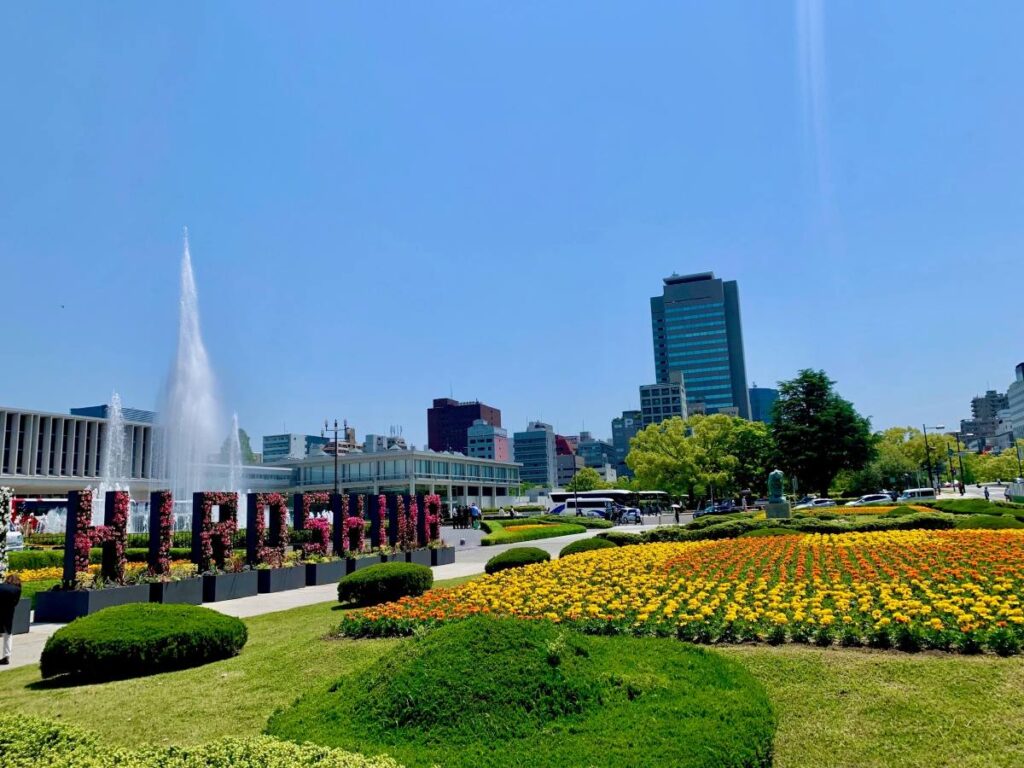
In one full day you can:
- Arrive by shinkansen from Osaka or Kyoto and reach the castle area
- Visit Hiroshima Castle and Gokoku Shrine
- Walk along the river to the Atomic Bomb Dome and hypocentre marker
- Explore Peace Memorial Park and the Peace Memorial Museum
- Take a break in Shukkeien Garden or a café
- Eat Hiroshima style okonomiyaki near Hondori
Time 1 full day • Cost typical ¥4,000–¥7,000 (excluding long-distance trains)
Disclaimer: This article may feature affiliate links. If you click these links, and choose to book with that hotel or company, I will earn a small commission at no extra cost to you. I appreciate the support that allows me to continue providing this information
Can I see Miyajima as well or do I need to add a day?
Miyajima is very popular, and rightly so, for me it was one of the highlights of my first ever trip to Japan. However in my opinion, If you also want to visit Miyajima, a second day is usually the better choice. Use my full guide on what to do on Miyajima to help you decide
That gives you time for Itsukushima Shrine, the torii at different tides and a walk through town or hike up the mountain.
Heads up: Hiroshima Castle update for 2026
A quick note before you plan. The main keep of Hiroshima Castle closed to the public on 22 March 2026 due to its age and earthquake safety, with no plans to re-open soon.
You can still walk the grounds, see the exterior and visit Gokoku Shrine next door, but the keep itself and its interior museum are no longer open. A wooden reconstruction is being considered but there’s no confirmed timeline yet.
The good news is that the new Sannomaru district, which opened in March 2025 on the south side of the castle, makes a great addition to the morning. It has food stalls, a souvenir shop and cultural experiences like archery (kyudo) and samurai-style tea ceremonies. I’ve folded all of this into the updated itinerary below.
TL;DR 1 day Hiroshima itinerary at a glance
This is the whole day I recommend in one quick view. Times assume you are making a day trip from Osaka or Kyoto arriving around 09:00.
I have covered this in a lot more detail, with some of my best tips later in the guide. This is to give you a feel for what to expect if you don’t have long to read right now.
At-a-glance plan for your Hiroshima day
- Hiroshima Station arrival
- Hiroshima Castle
- Gokoku Shrine
- Walk to Atomic Bomb Dome
- Atomic Bomb Dome
- Hypocentre marker
- Children’s Peace Monument
- Cenotaph and Peace Flame
- Hiroshima Peace Memorial Museum
- Shukkeien Garden or café break
- Okonomiyaki dinner near Hondori
Who this 1 day Hiroshima itinerary is best for
This plan suits first-time visitors who want a thoughtful but manageable day with a medium pace. If you prefer slow travel, you can skip the castle or garden and stretch the museum and park instead.
My Top Tip! If you are travelling with people who are unsure how much they can handle, keep one flexible block in the late afternoon and see how you are all feeling
Get prepared for your Japan trip with my first-timer starter kit
- Break down the language barrier: key phrases and tech for an easy first trip
- How to stay connected: the cheapest data and easiest setup
- Avoid currency fees: the best cards for spending and cash
- 25 apps that make your trip easier: the best free downloads
- Save 30 to 90 minutes at the airport: the free Visit Japan Web QR code
- Etiquette do’s and don’ts: what to know on your first visit
Detailed 1 day Hiroshima itinerary
Adjust the times to fit your trains, but keep the general order if you can.
08:30–10:30 Hiroshima Castle grounds, Gokoku Shrine and Sannomaru
From Hiroshima Station, take a tram or the Meipuru-pu sightseeing bus towards the castle area.
Time 15–30 mins • Cost about ¥200–¥300 (excluding the long distance train cost)
Hiroshima Castle grounds
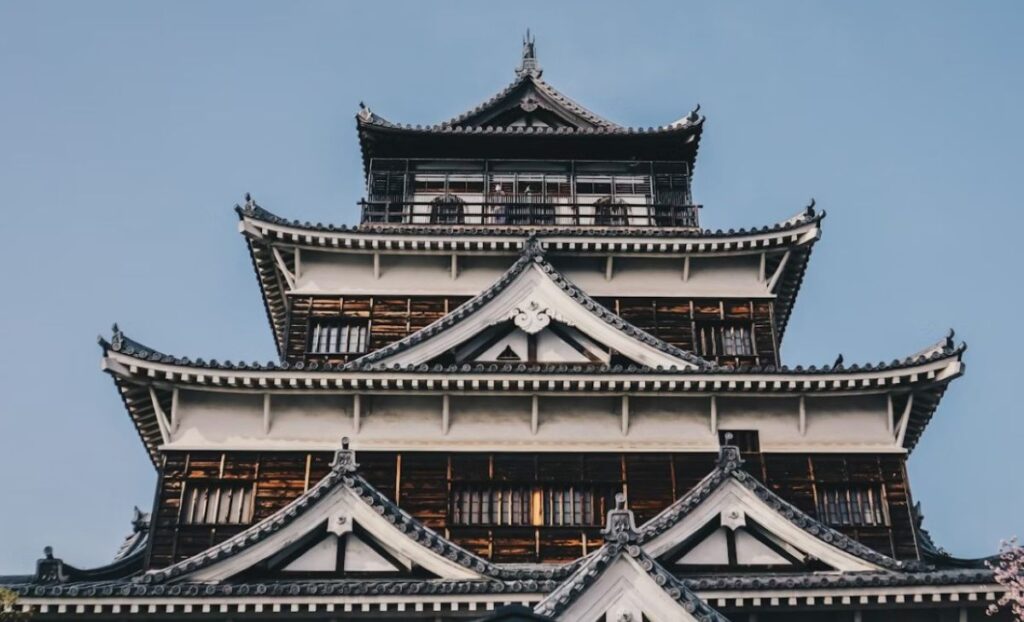
You can’t go inside the keep anymore (it closed in March 2026), but the grounds are still well worth 20–30 minutes.
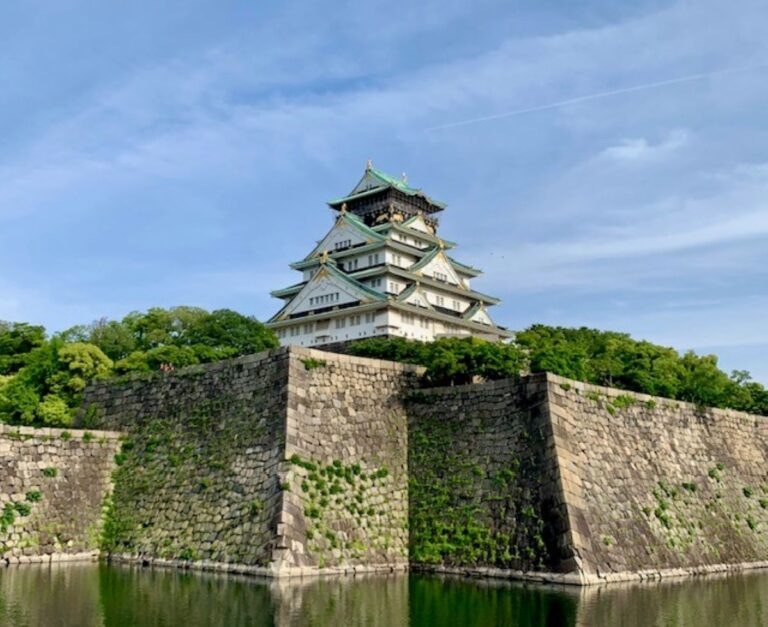
You walk over the moat, past the stone walls, and see the exterior of the five-storey keep, which still looks great for photos. In my opinion it’s a good way to get a sense of pre-war Hiroshima as a living city, not just a site of tragedy.
Time 20–30 mins • Cost Free
Gokoku Shrine
Right beside the castle, Gokoku Shrine is a working Shinto shrine where you may see locals praying or buying charms. A nice, quiet stop in between.
Time 15–20 mins • Cost Free
Sannomaru district
Just south of the main grounds, Sannomaru is a newer area with restaurants, a café, a souvenir shop and a few cultural experiences you can book on the day if you fancy them. It filled the gap nicely for us now the keep is closed, and is a good place to grab a coffee before you head towards the river.
Time 20–30 mins • Cost Free to enter (experiences and food extra)
My Top Tip! If you’re short on time or energy, skip Sannomaru and go straight from the shrine to the riverside walk. The castle morning is the easiest block to trim.
10:30–12:00 Walk to Atomic Bomb Dome and Hypocentre
Leave the castle and follow the river towards the Aioi Bridge and the Dome.
Riverside walk to Peace Park
The riverside path between the castle area and Peace Park is flat and easy. It lets you see neighbourhoods, bridges and everyday life.
Time 20–30 mins • Cost Free
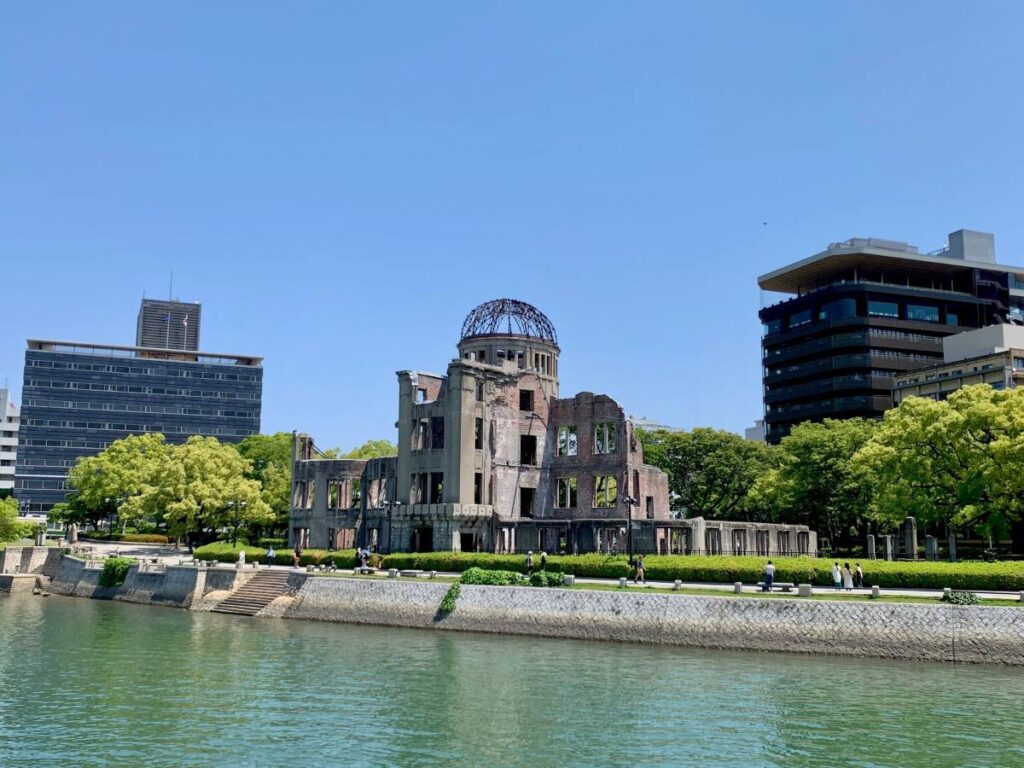
Atomic Bomb Dome
Standing by the Dome, you see twisted steel and broken walls that survived when almost everything around them did not. It is one of the clearest visual reminders of the blast and I found it pretty astounding, especially when you understand more about the scale as your day goes on.
Time 20–30 mins • Cost Free
Hypocentre marker
A discreet plaque marks the hypocentre a short walk from the Dome. Visiting it links the museum diagrams to a real street corner and I always recommend it as it makes it all feel more real.
Time 10–15 mins • Cost Free
12:00–13:00 Simple lunch near Peace Park
Before the museum, take a proper break for food.
Lunch near Peace Park
Pick a simple set lunch, noodles or curry in the streets behind the park or around Hondori. Many places have plastic models or photos, which helps if you are unsure what to order, and meals are usually served quickly.
Time 40–60 mins • Cost typical ¥900–¥1,500
13:00–15:00 Peace Memorial Park and museum route
Spend the early afternoon in the park and museum. This is where I encourage you to flex my agenda longer or shorter based on your preferences and how you are feeling, everyone experiences this differently.
Children’s Peace Monument
This monument remembers the children who died, with thousands of paper cranes hung in glass cases around it. It often feels like the most immediate link between past and present and there’s a good chance you will see other children visitng with their own cranes.
Time 15–20 mins • Cost Free
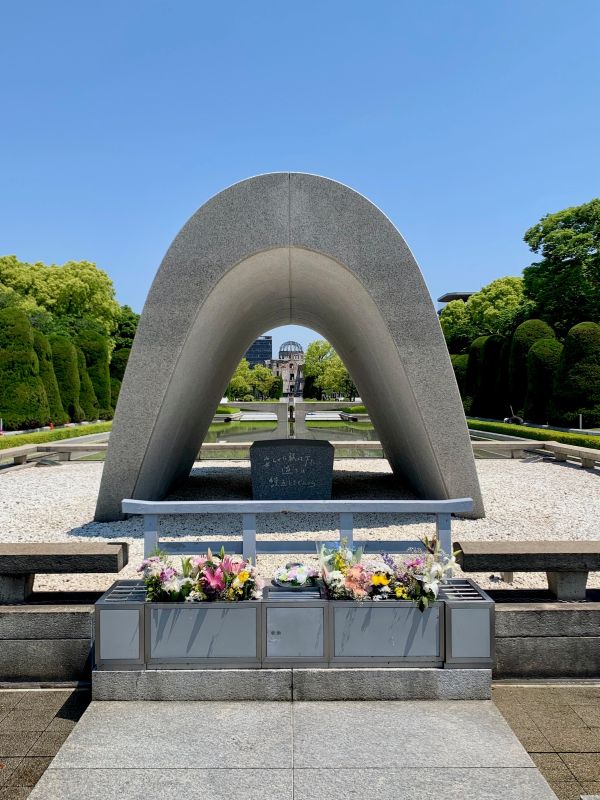
Cenotaph and Peace Flame
Walking up to the Cenotaph, you can look through the arch to the Dome across the pond. The Peace Flame burns nearby as a simple but strong symbol.
Time 15–20 mins • Cost Free
Hiroshima Peace Memorial Museum
Inside the museum, models, objects and personal stories explain what happened before, during and after the bombing. For me it was the personal belongings that brought it home, the clothing especially, alongside the photographs of the landscape before and after. The scale is hard to take in.
What stayed with me most came afterwards, stepping back outside into a normal, busy city and trying to square that with what I’d just seen. Some sections are graphic, so it’s fine to move more quickly through the parts that feel like too much.
Time 90–150 mins • Cost about ¥200
Ticket advice: You only need to pre-book if you want to visit during the museum’s extended hours (the first hour in the morning and the last 90 minutes of the day). Outside those windows you can just walk up and buy a ticket.
That said, at busy times the on-site queue can be over an hour, so if you’re visiting in peak season, booking online in advance is the easier option. International visitors book through Klook.
My Top Tip! I am not normally one for audio guides at museums, but we did it here and I cannot recommend it highly enough, it really added another dimension to the experience.
15:00–16:30 Shukkeien Garden or café break option
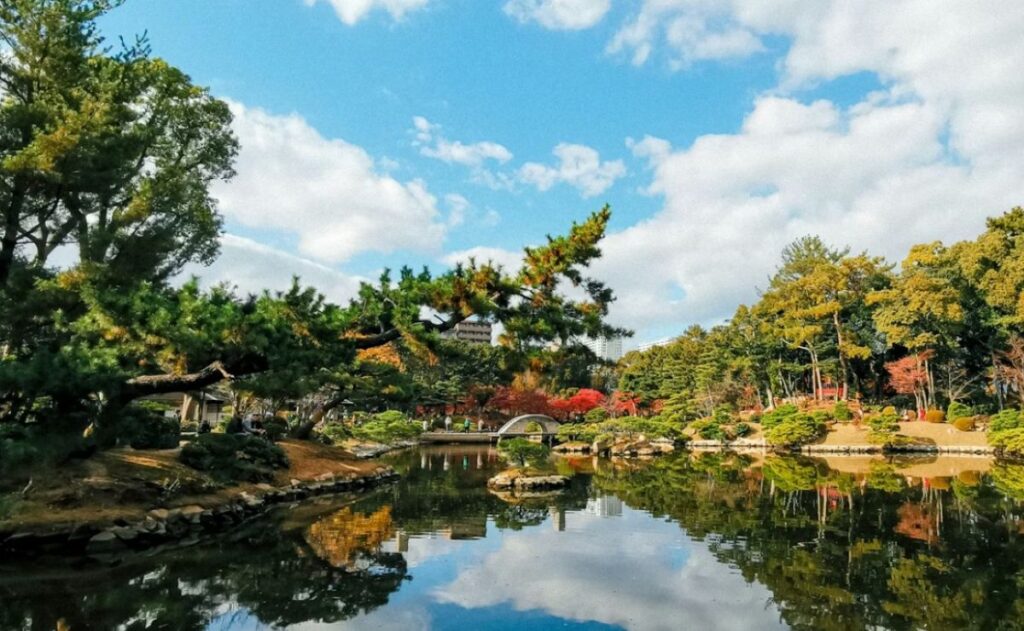
Shukkeien Garden
Shukkeien is a compact garden with ponds, bridges and small tea houses, designed as a “compressed” landscape. It is an easy place to slow down, walk quietly and sit on a bench post the museum.
Time 60–90 mins • Cost about ¥260
Indoor café alternative
If it is raining or you prefer to stay indoors, head to a café near the station or Hondori for a drink and small snack. Many have Wi Fi and comfortable seating.
Time 45–60 mins • Cost typical ¥600–¥1,000
17:00–19:00 Okonomiyaki dinner and evening stroll
End the day with Hiroshima’s best-known dish and a gentle walk before your train home or you retire to your hotel.
Hiroshima style okonomiyaki
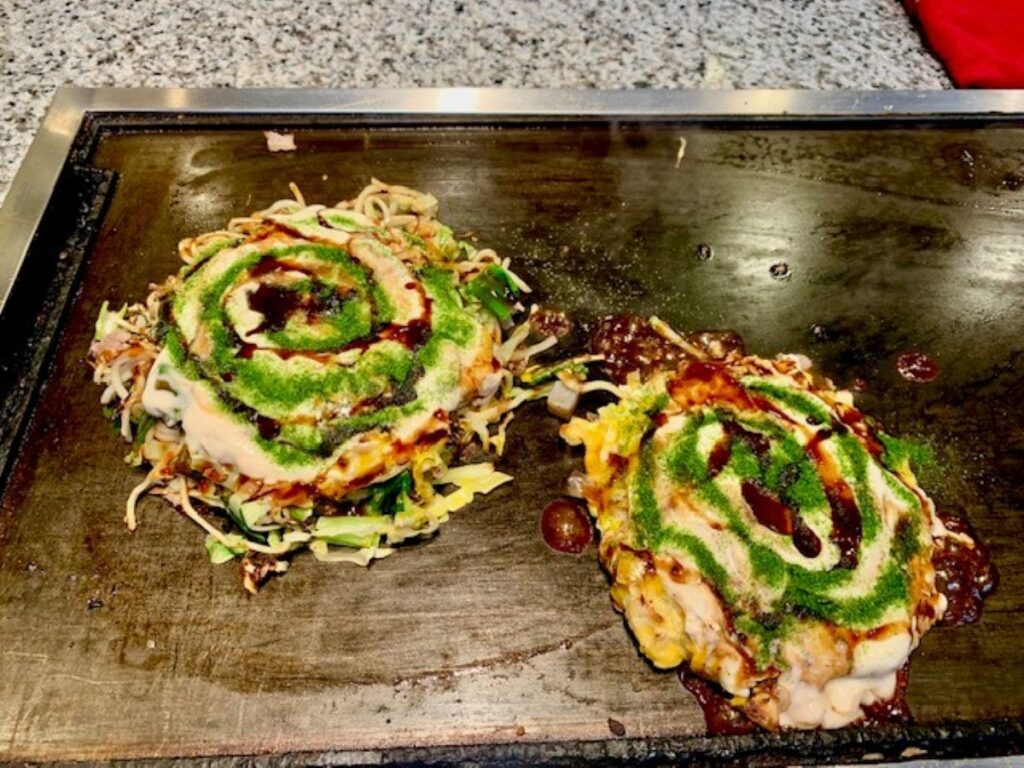
In Hiroshima style okonomiyaki, ingredients are layered rather than mixed (like in Osaka), usually with cabbage, batter and noodles cooked on a large hotplate. I recommend sitting at the counter if you can, it lets you watch the whole process, which we found fascinating. Most places are used to day trippers with luggage/bags.
Time 60–90 mins • Cost typical ¥1,200–¥2,000
Evening Hondori or riverside stroll
After dinner, walk through Hondori’s covered arcade or back along the river past the Dome which is lit up. It is a simple way to end the day before your train or hotel.
Time 30–45 mins • Cost Free
Optional Hiroshima and Miyajima in one day
If you are set on visiting both places in a single day, let me explain how, so you go in with clear expectations.
Should you combine Hiroshima and Miyajima in one day?
In my opinion no, if time allows. I always recommend to everyone to spend at least 1 night on Miyajima. The island is stunning and is even more special after the last ferries leave
If you don’t have time to spare, consider this; a combo day means an early start, late return and limited time in the museum. It suits travellers who are happy to trade some items in Hiroshima and do not mind a busy schedule but leaves very little slack for train delays. For many, this might feel too rushed.
Sample Hiroshima plus Miyajima day plan
One workable approach is to visit Miyajima first, then Hiroshima in the afternoon.
Miyajima ferry
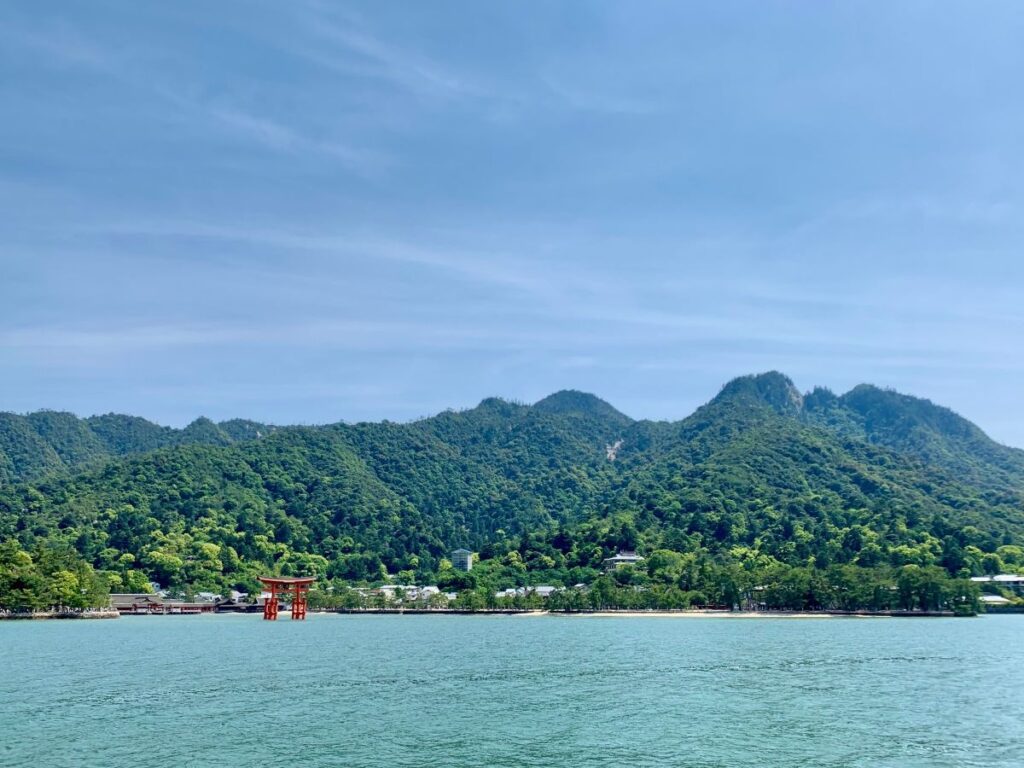
From Miyajimaguchi, two ferry companies (JR West and Matsudai Kisen) run the same 10-minute crossing every 10–15 minutes, with lovely views of the bay and oyster rafts along the way.
Both charge exactly the same: ¥200 one way or ¥400 round trip, plus a ¥100 Miyajima Visitor Tax collected when you arrive on the island. If you have a JR Pass, the JR ferry is free (you still pay the ¥100 tax separately).
Time 10 mins each way • Cost ¥200 one way + ¥100 visitor tax on arrival
My Top Tip! Between roughly 9:10 and 16:10, the JR ferry takes a scenic “Great Torii Route” that swings closer to the floating torii. Stand on the right side of the boat for the best view.
Itsukushima Shrine and torii
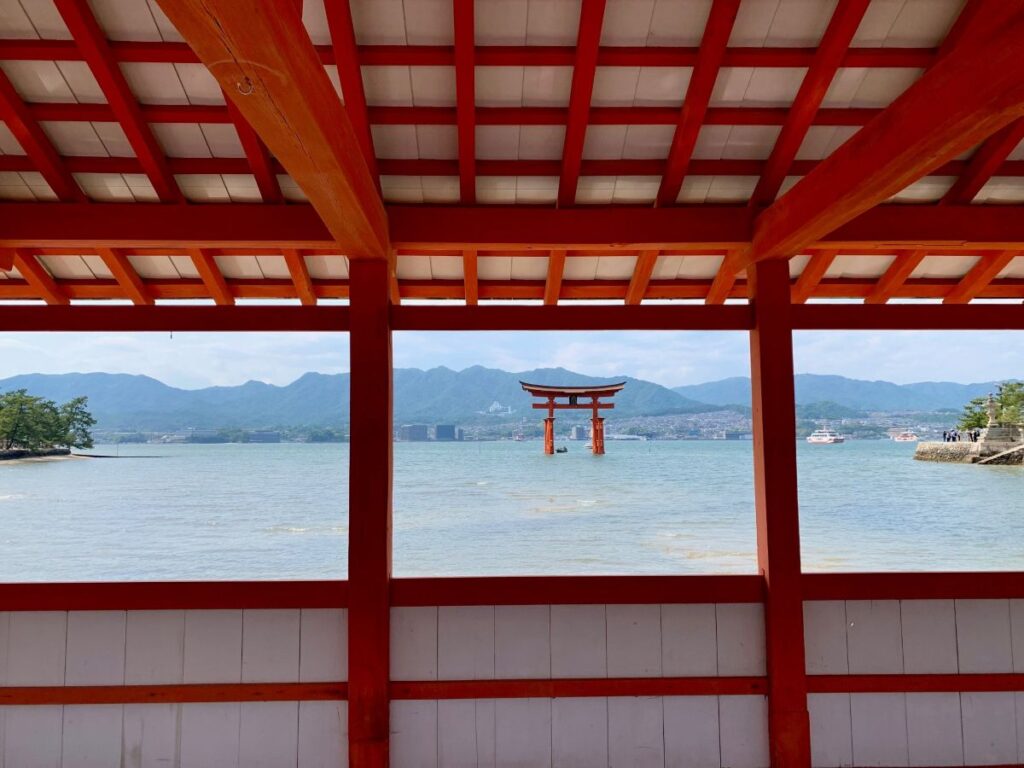
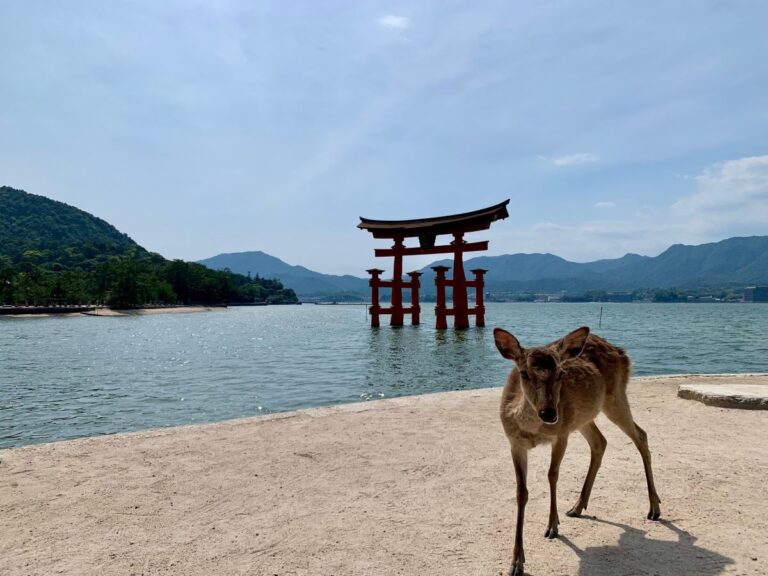
Itsukushima Shrine sits partly over the water, with a large torii gate that changes with the tide. Walking the shrine corridors and shoreline gives classic views of the bay and the famous floating Torii.
Time 60–90 mins • Cost about ¥500
You would then travel back to Hiroshima around midday and follow a reduced version of the Peace Park and museum route I outline above.
What you will miss if you choose the combo day
If you combine both, expect to:
- Skip the castle grounds and Sannomaru entirely
- Take a quicker path through the museum
- Drop Shukkeien or any longer café break
Getting to Hiroshima from Osaka, Kyoto and Tokyo

Best shinkansen options from Osaka and Kyoto
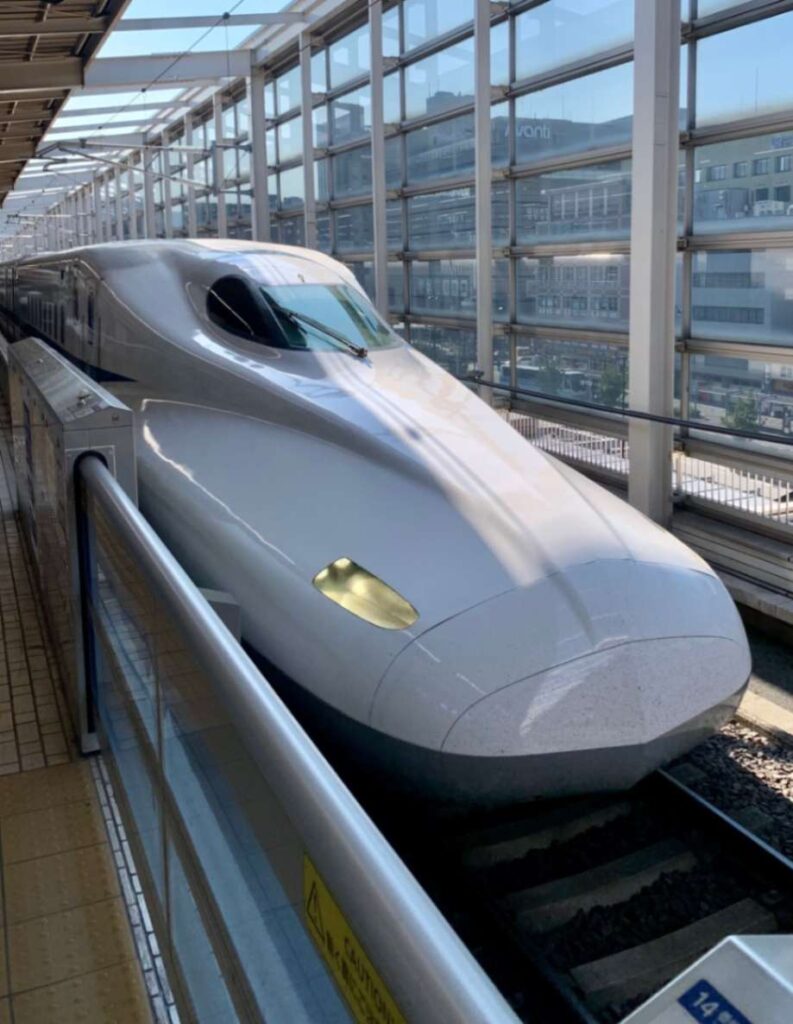
From Osaka and Kyoto, shinkansen trains to Hiroshima are frequent and straightforward, which makes a Hiroshima day trip from Kansai very doable.
If you just want the quick comparison, here it is for the three most common starting points:
| From | Journey time | Typical one-way cost |
|---|---|---|
| Shin-Osaka | 1 hr 20–30 mins | ¥9,500–¥11,000 |
| Kyoto (change at Shin-Osaka) | 1 hr 45 mins to 2 hrs | ¥10,500–¥12,000 |
| Tokyo (direct) | around 4 hrs | ¥18,000–¥21,000 |
Shinkansen from Shin-Osaka
From Shin-Osaka, the fastest Nozomi and Mizuho trains take about 1 hour 20–25 minutes, with Sakura (covered by the JR Pass) around 1 hour 30 minutes. Aim to arrive in Hiroshima around 09:00 if you want the full day.
Time 90–110 mins • Cost typical ¥9,500–¥11,000
Shinkansen from Kyoto
From Kyoto, you normally change at Shin-Osaka, with a total journey of roughly 1 hour 45 minutes to 2 hours.
Time 105–120 mins • Cost typical ¥10,500–¥12,000
Day trip timing from Tokyo
A Tokyo day trip is possible but long. I personally recommend against it, but if you are set on doing it, you would need an early morning departure and late return, in my opinion it’s much better to consider an overnight stay instead.
Shinkansen from Tokyo
Direct trains from Tokyo to Hiroshima take around 4 hours each way.
Time 230–260 mins • Cost typical ¥18,000–¥21,000
Which base is best for a 1 day Hiroshima itinerary?
For one day in Hiroshima, some bases work far better than others. The absolute best, that I recommend, is staying at least one night in Hiroshima, but if your itinerary doesn’t allow consider this:
- From Osaka. Around 1.5–2 hours each way. this is usually the easiest base for a 1 day Hiroshima itinerary.
- From Kyoto. Around 1.75–2 hours with a change at Shin-Osaka. still very workable as a day trip if you can leave early.
- From Tokyo. Around 4 hours each way. for most travellers this is better as an overnight stay rather than a true day trip.
JR Pass vs regular tickets for Hiroshima
Nationwide JR passes and some regional passes cover or discount the shinkansen to Hiroshima. Compare the JR pass cost with your planned journeys to see whether it makes sense.
Getting around Hiroshima in one day
Once you arrive, moving around Hiroshima is simple.
Hiroshima trams
Trams display destinations in English and run often. You pay when you get off, either in cash, with an IC card or by showing a day pass.
Day passes and IC cards
If you expect several tram rides, a tram day pass or combined tram and ferry pass can be handy. IC cards like ICOCA or Suica work on trams too.
Downloadable walking map for my Hiroshima itinerary
Most main sights sit within a compact, walkable area.
Accessibility notes and mobility tips
The Peace Park and the museum are largely step free, with lifts inside the museum. The castle grounds are flat and step free, although you can no longer enter the keep.
Shukkeien has some uneven paths and a few steps, so you can skip it if mobility is a concern.
Guided tour options for a 1 day Hiroshima itinerary
If you prefer someone else to handle the route and background detail, a guided tour can help.
Peace Park and museum walking tour
A local guide can lead you through Peace Memorial Park and the museum, explaining the main memorials and giving context you might miss on your own. This works well if you want a structured visit and have questions.
Hiroshima and Miyajima small group tour
Some small group tours combine the main Hiroshima sites with a short visit to Miyajima, handling trains, ferries and timings for you. This suits travellers who want to see both places in one long day without planning every leg.
Evening food or bar tour in Hiroshima
If you stay overnight, an evening food or bar tour can be a gentle way to end the day, focusing on local dishes like okonomiyaki and small izakaya rather than heavy history.
Best okonomiyaki options for dinner
Okonomimura (Okonomiyaki Village)
Okonomimura is a multi-floor building in central Hiroshima, filled with small counter-style okonomiyaki stalls on the 2nd to 4th floors. It’s my kind of place and somewhere I always recommend. Most stalls open from late morning to around 21:00, with some taking a mid-afternoon break.
Cost typical ¥900–¥1,800
Nagata-ya (near Peace Memorial Park)
Nagata-ya is one of the best known Hiroshima okonomiyaki restaurants, a short walk from the Peace Memorial Park and Atomic Bomb Dome. It is particularly friendly to visitors, with vegetarian and vegan options and staff used to helping non-Japanese speakers. It often has a queue at peak times, but ordering usually happens while you wait so the line moves steadily.
Cost typical ¥1,100–¥2,000
Hassei (central Hiroshima)
Hassei is a small restaurant on a side street in central Hiroshima, not far from the Peace Memorial Park. It is regularly recommended for its relaxed setting, English menus and flexibility, including vegetarian and gluten-free friendly options alongside the classic pork-and-noodle versions.
Cost typical ¥1,200–¥2,500
Where to stay in Hiroshima (if you stay overnight)
I always encourage people to spend one night if their time allows, it means the day is far less rushed. Two areas work particularly well for this itinerary.
Near Hiroshima Station
Hotels by the station are handy for early or late trains, with easy access to shops and restaurants in the station complex. You will need a short tram ride to and from Peace Park.
Near Peace Park and downtown
Staying near the park and Hondori puts you within walking distance of most stops and dinner. It makes it easy to stroll back to your room after a packed day.
My hotel picks for this itinerary
Via Inn Prime Hiroshima Shinkansenguchi
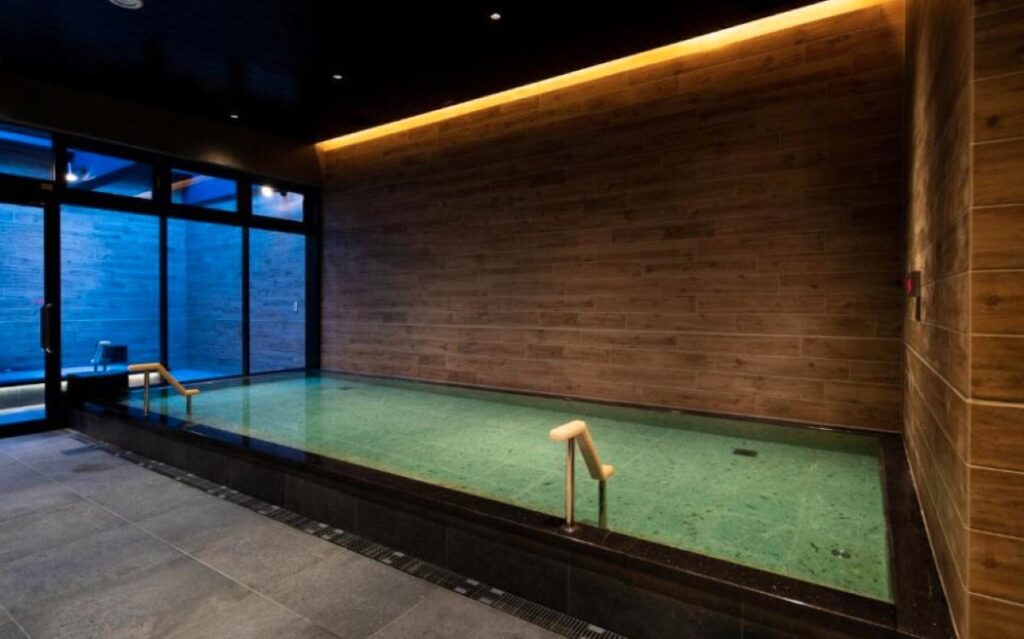
This is a handy choice if you want to step off the shinkansen and be at your hotel within minutes. Rooms are small but practical, with good showers, a decent breakfast option and a public bath that is very welcome after a long travel day. It suits travellers who care more about location and cleanliness than hotel extras.
Cost typical ¥8,000–¥13,000 per room
THE KNOT Hiroshima
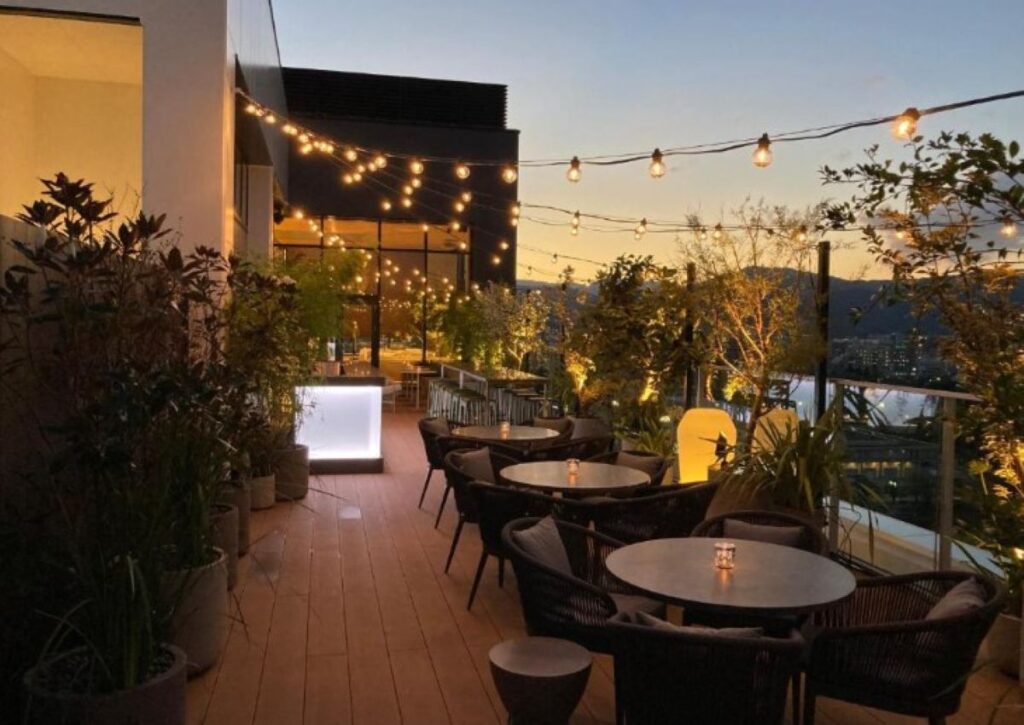
This choice is good if you like a bit of design and a strong location. It is a short stroll from Peace Memorial Park, so you can walk to the museum and back without using trams, and Hondori’s shops and restaurants are close by. Rooms are compact but thoughtful, and the rooftop bar is a good spot to unwind in the evening.
Cost typical ¥11,000–¥20,000 per room
Hilton Hiroshima
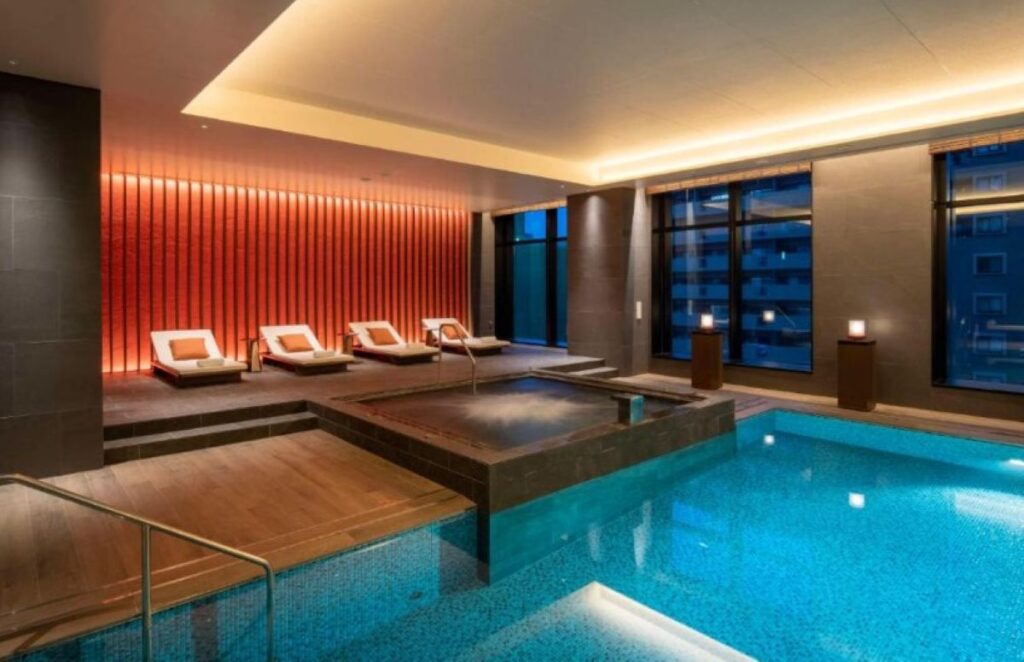
My final choice is a comfortable high-end base with larger rooms, proper blackout curtains and a good fitness and pool area. Staff reviews are consistently strong, and there are several on-site dining options if you would rather eat “at home” after a full day. It suits people who want a quieter, more polished place to decompress.
Cost typical ¥25,000–¥45,000 per room
Visiting Hiroshima with children or sensitive travellers
How intense is the Peace Museum in real life?
The museum’s main exhibition includes detailed photos and personal items that some people find difficult. The newer layout allows you to choose a shorter path and still get the key story.
Shorter museum route
You can focus on the introductory sections and peace-focused displays and move more quickly through the heaviest rooms if needed.
For younger children, you might:
- Spend more time in Peace Park first
- Focus on stories like Sadako and the cranes
- Avoid some of the most graphic displays
FREE GUIDE
Planning your trip to Japan?
I made a free 13-page guide that strips Japan planning down to the few decisions that matter.
No ads, instant download.
Practical FAQs for one day in Hiroshima
Yes, a single day in Hiroshima is still worth it if you focus on the core sights. Peace Memorial Park, the museum and one or two quieter stops.
One well planned day gives you a clear sense of the city and its history, even if you cannot see everything.
If your itinerary allows time, I recommend spending a night in Hiroshima, however, if you are travelling from Osaka or Kyoto, a day trip still works well. From Tokyo, an overnight stay is the better option because of the amount of travel time.
Hiroshima today is a normal, lively city with no radiation risk for visitors. It feels similar to other mid sized Japanese cities in daily life.
Dress for walking and comfort, with a respectful mindset. Keep voices low, avoid laughing or posing for cheerful selfies at memorials and do not climb on structures. If you wish, you can bow, place coins or fold cranes quietly.
Swap the garden for a longer museum visit or café break, use covered arcades like Hondori for walking and carry a small umbrella or light raincoat.


17 Comments
Comments are closed.