
There are lots of things to do on Miyajima Island, it was the surprise of my first trip to Japan, and remains one of my favourite spots. It looks looks simple on a map, but it is easy to waste time, or get the tides wrong, if you arrive without a plan.
My guide covers the best things to do, including the famous UNESCO world heritage site, in an order that works. I also share my advice on staying there overnight and the small choices that stop your day turning into a last-ferry sprint.
Quick decision before you go
If you only do 3 things, do these (in this order)
- Itsukushima Shrine and the torii at your preferred tide (high for “floating”, low to walk out).
- Miyajima Ropeway to Shishiiwa for the Seto Inland Sea view.
- One cultural stop: Daisho-in or Senjokaku (pick one), then eat on Omotesando.
More of my Japan guides to plan around your Miyajima trip
- Where to stay in Osaka — Best bases for day trips, including Namba vs Umeda.
- Perfect Hakone Loop — What to do and how to get around when you are in Hakone
- Tokyo 3 day itinerary — A guide to the best sights and hidden gems.
- Kyoto in 2 Days — A guide to everything you will want to do in Kyoto
- Miyajima Island Ryokans — The best options to make your stay special
- 1-day Hiroshima Itinerary — A clear plan to enjoy Hiroshima in a short visit
- Japan Two-Week Itinerary — How Hakone fits into a wider route without backtracking.
Disclaimer: This article may feature affiliate links. If you click these links, and choose to book with that hotel or company, I will earn a small commission at no extra cost to you. I appreciate the support that allows me to continue providing this information
Should Miyajima be a Day trip or overnight
If you want to do the shrine area plus Mount Misen without watching the clock, staying overnight makes the island feel completely different once the day-trippers leave.
If you only care about the shrine, a temple or two, and lunch, a full day trip from Hiroshima will work for you.
My Top Tip! I strongly recommend to anyone asking me that you make this a stay overnight, because the island is worth more than a quick tick-off and it’s spectacular when the crowds leave.
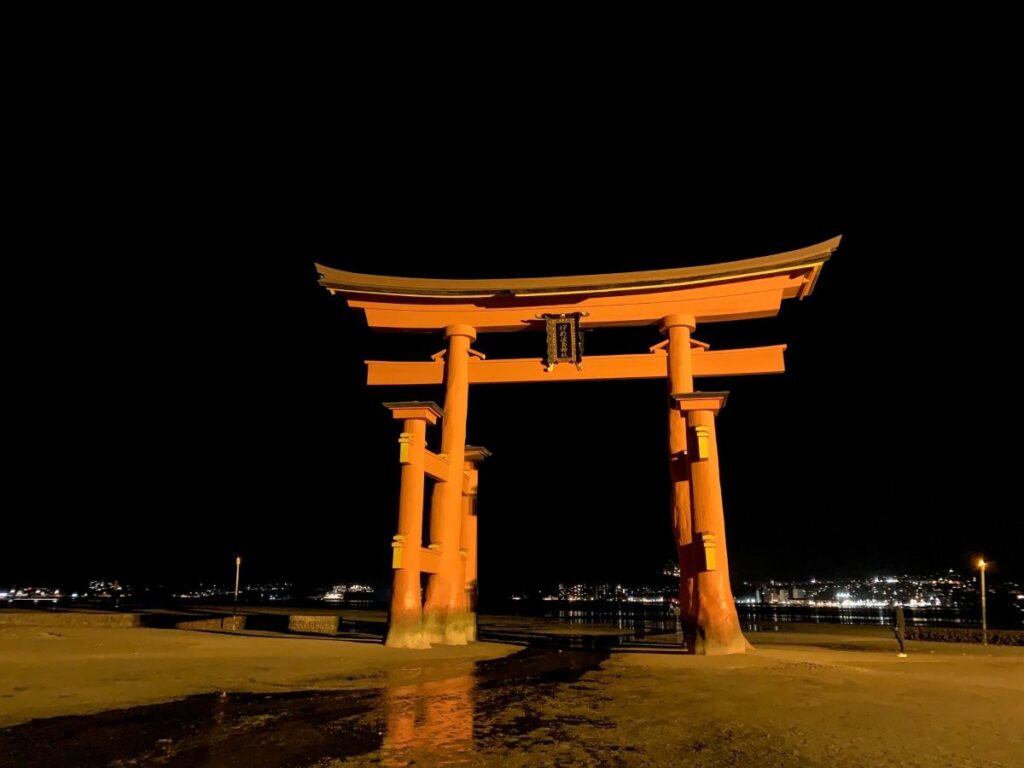
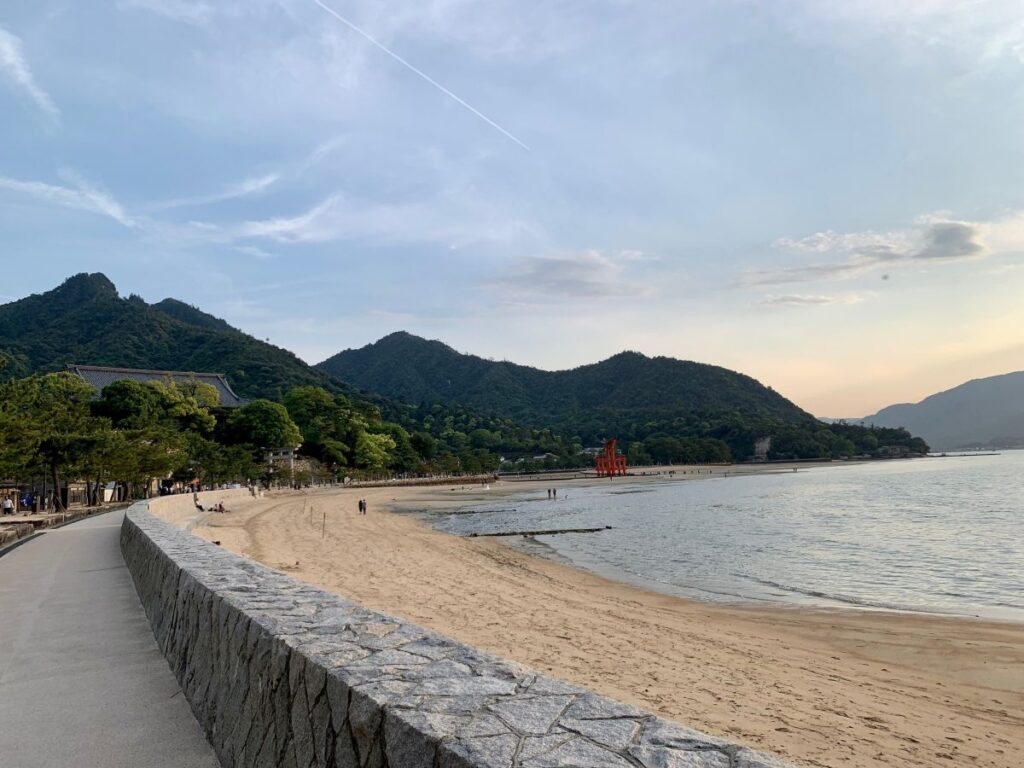
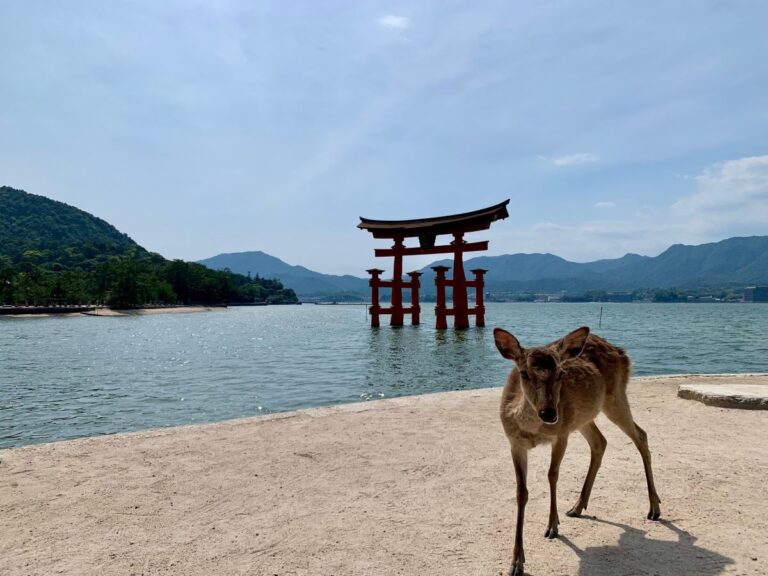
It also gives you the opportunity to see the famous floating torii, with less people, at high tide, low tide and at night, making for some excellent photos.
Where to stay on Miyajima
There are two rules I always recommend to anyone staying on the island; think about your meals and think about your luggage and how far you will need to carry it from the ferry terminal.
It is an excellent place to try an authentic ryokan stay, most of which include all your meals. It is what I always go with because there aren’t lots of great restaurant options to choose from on the island, but there are plenty of great ryokans.

Tide timing for the floating torii gate
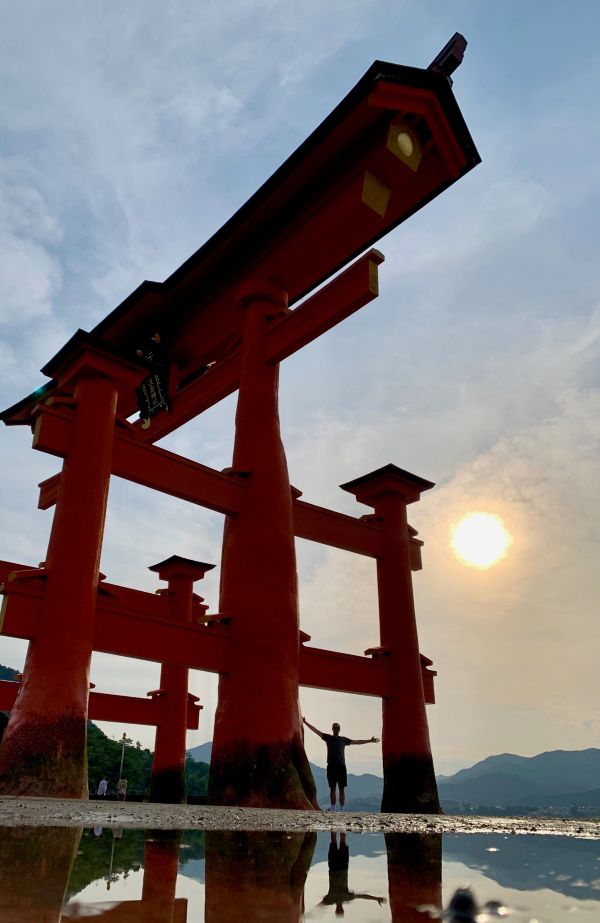
For the classic “floating” look you need to ensure your visit coincides with high tide. Low tide, lets you walk out onto the flats and see the scale up close, it was much bigger than I expected and made for some good photos.
My top tip! The bit people get wrong is treating tides as a nice bonus and relying on luck. A better plan is to check tide times a few days, or the night before, then build the day around your preferred view.
This is a great source of detailed Miyajima tide timings 7 days out
Quick decision on Mt Misen: Do the ropeway, hike, or skip it
Miyajima is more than just Itsukushima, it has spectacular views, nature and options for hikes on Mt Misen. The mountain is also accessible for those that don’t or can’t walk it via a ropeway.
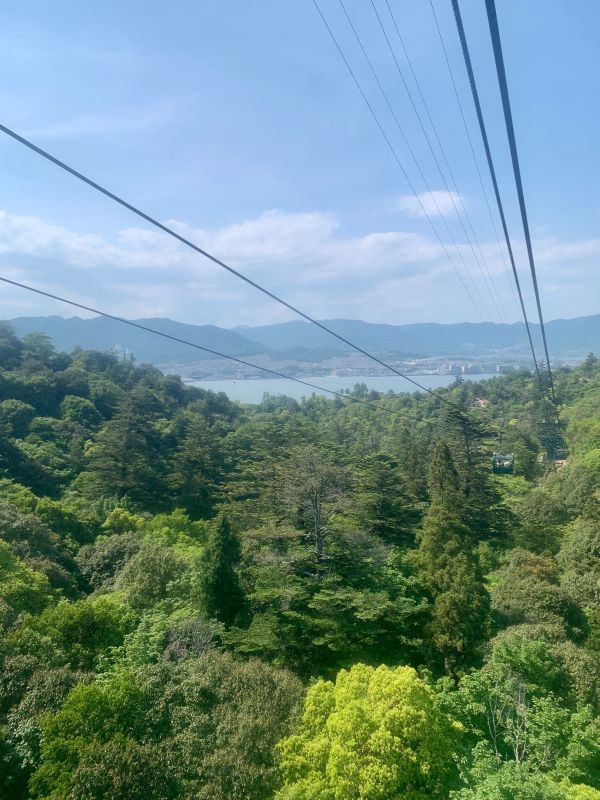
The ropeway is the fastest way up the mountain area, so a good option if you are tight on time but don’t want to miss the stunning views of the Seto inland sea and it’s many islands.
My Top Tip! One-way tickets are also available, so you can mix ropeway and hiking. Ropeway up and walk down is a popular option, it’s what we did on our first trip and it saves a lot of time compared with hiking both ways.
Opening times and cost
Ropeway hours are 9:00–16:00, with the final return at 16:30. Service can suspend in bad weather. Do not leave it to the end of the day if you have a hard close at the ferry terminal!
Cost Adult ¥1,100 one way or ¥2,000 return (£5.21 or £9.47)
How to reach the ropeway station (Momijidani Station):
- Walk. The nicest way is to walk via Momijidani Park and treat it as part of the visit.
- Free shuttle bus. There is a free shuttle, but it does not run continuously. It stops around lunchtime (Momijidani Station 12:10–13:10), pickup is from the shrine or the ferry port. Full details and timetable here
Miyajima attraction practicalities for first-timers
| Place | Hours | Adult fee |
| Itsukushima Shrine | Jan-end Feb 06:30-17:30. Mar 1-Oct 14 06:30-18:00. Oct 15-Nov 30 06:30–17:30. Dec 1-Dec 31 06:30-17:00 | ¥300 (£1.42). Combined ticket with Treasure Hall ¥500 (£2.37) |
| Senjokaku (Hōkoku Shrine) | 08:30–16:30 | ¥100 (£0.47) |
| Miyajima Ropeway | 09:00–16:00. Final return 16:30 | ¥1,100 one way (£5.21) or ¥2,000 return (£9.47) |
| Miyajima Public Aquarium | 09:00–17:00. Reception closes 16:00 | ¥1,420 (£6.73) |
| Miyajima Visitor Tax | Paid with your ferry ticket when entering by boat | ¥100 per visit (£0.47) |
Two useful notes:
- The shrine corridors have small gaps between boards. Heels can get stuck, so consider your footwear
- If you are using an IC card at an automatic gate, the visitor tax is charged with the boarding fee.
Map of the best sights on Miyajima
The best order for day trips to Miyajima
Half-day route (good if you only have 3–4 hours)
- Itsukushima Shrine and torii viewpoints
- Senjokaku (quick, high value)
- Omotesando shopping street for food and a slow browse
My Top Tip! The bit people get wrong is leaving the shrine until last. A better plan is to go there first, then use the rest of your time once you’ve spent as much time there as you enjoy.
Time 3–4.5 hrs • Cost typical ¥400 (£1.89)
Full-day route (best first-timer day trip)
- Itsukushima Shrine area early
- Ropeway on Mt Misen (or hike)
- Daisho-in temple
- Food and Omotesando shopping on the way back
My Top Tip! Avoid starting with shops and snacks. You will end up hitting the shrine at peak crowding. Better: do the shrine first, then eat and browse later.
Time 6–8 hrs • Cost typical ¥1,400–¥2,300 (£6.63–£10.89)
Itsukushima Shrine area. The unmissable core
High tide vs low tide
At high tide, the buildings and walkways feel like they float. At low tide, the shoreline opens up and you can walk closer to the torii along the seabed, two very different but equally exciting experiences in my opinion.
Take time on the covered walkways and step away from the main area. If you want the Treasure Hall too, buy the combined ticket at the shrine entrance.
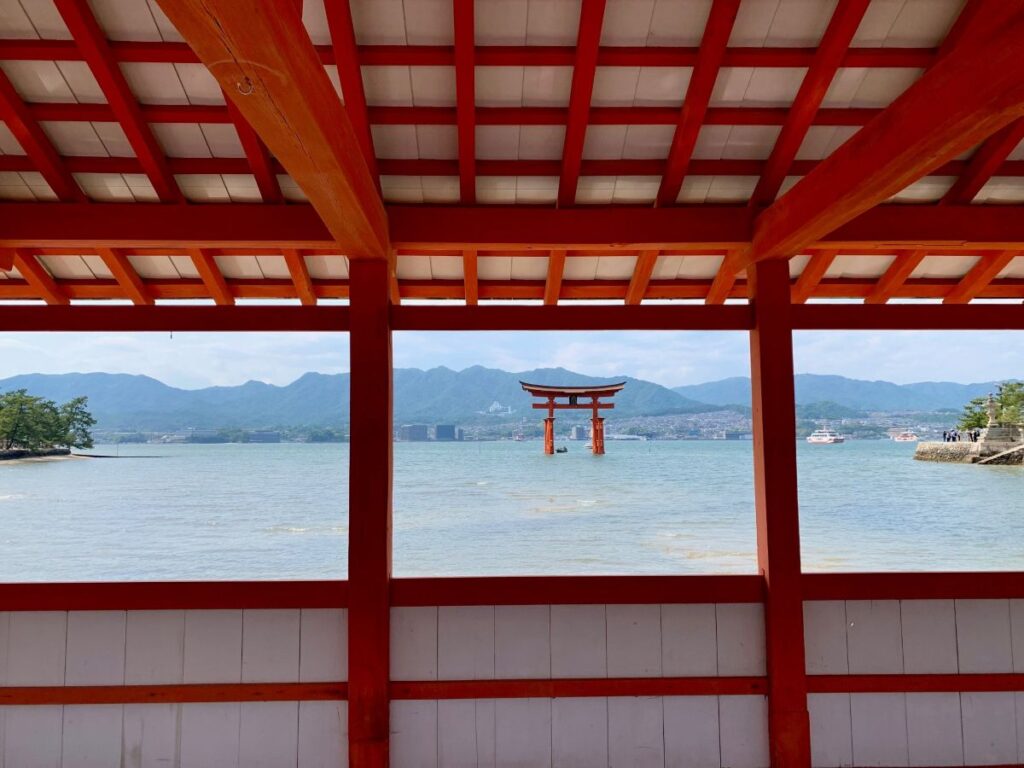
Itsukushima Shrine
The island’s headline sight, built over the water so it feels different and changes with the tide. This is likely the main reason you have chosen to travel to the Island
Cost Adults ¥300 (£1.42). Combined ticket with Treasure Hall ¥500 (£2.37)
My Top Tip to deal with crowds. Crowds bunch up at the torii viewpoint and the main entry. Avoid arriving and immediately queueing for the most obvious photo spot. You will end up stuck behind tour groups. Walk a little further along the shore first, then circle back.
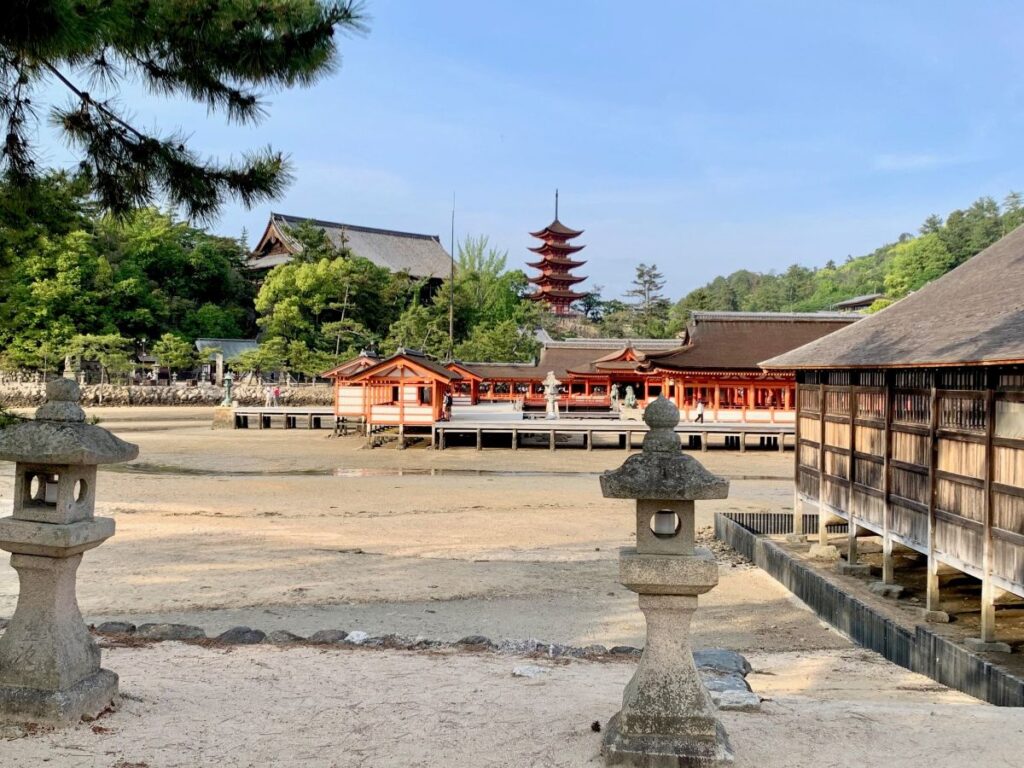
Senjokaku and the five-storey pagoda view
A huge, airy hall with one of the best quick viewpoints near the shrine area.
Time 20–40 mins • Cost ¥100 (£0.47)
Daisho-in. The most rewarding temple visit
This is a temple complex with lots to explore, and it usually feels calmer than the shrine area. Well worth a 7 minute walk away from the waterfront in my opinion.
Time 60mins • Cost Free
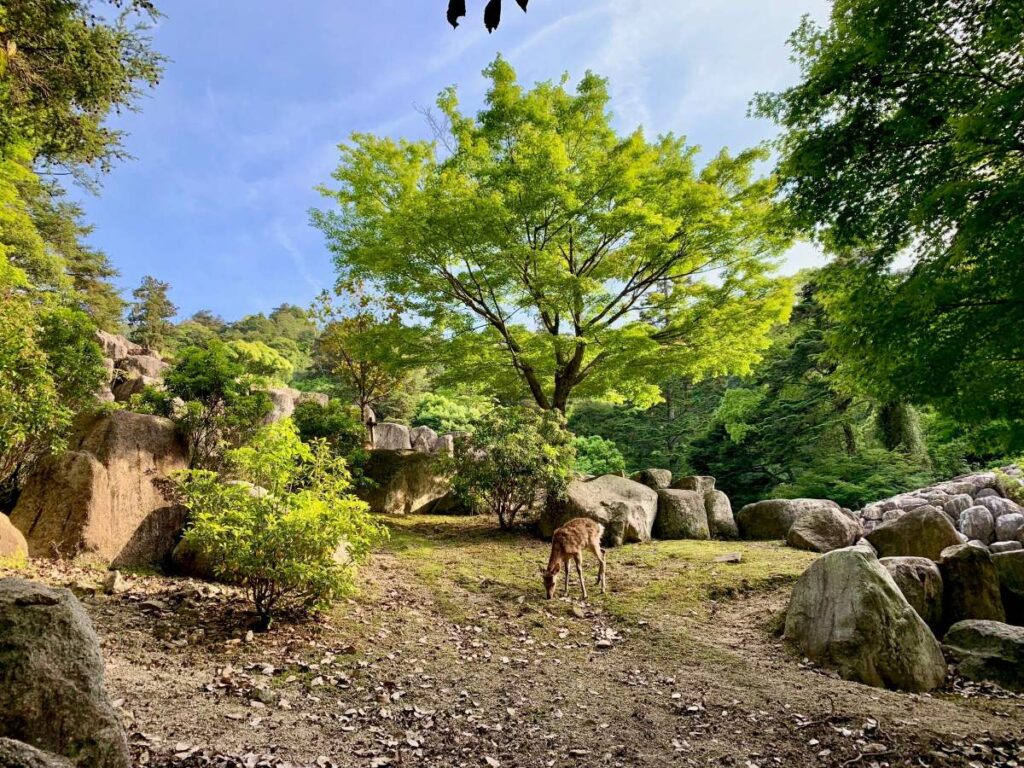
Add these if you have more time on Miyajima
Tahoto Pagoda: A quick uphill detour with a classic pagoda and a good view back over the shrine area. For me it is one of the best “small effort, big payoff” viewpoints on the island.
Time 20mins • Cost Free
Daiganji Temple: A peaceful temple close to the shrine area, known for its Benzaiten connection. It’s an easy stop to add to your itinerary
Time 20mins • Cost Free
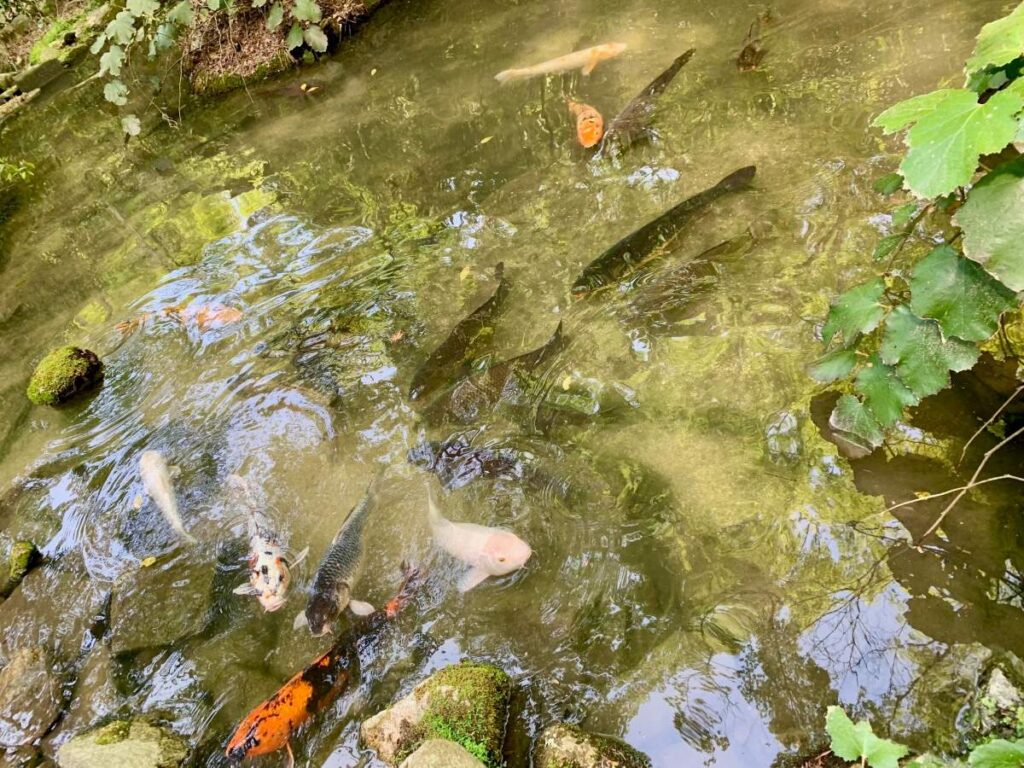
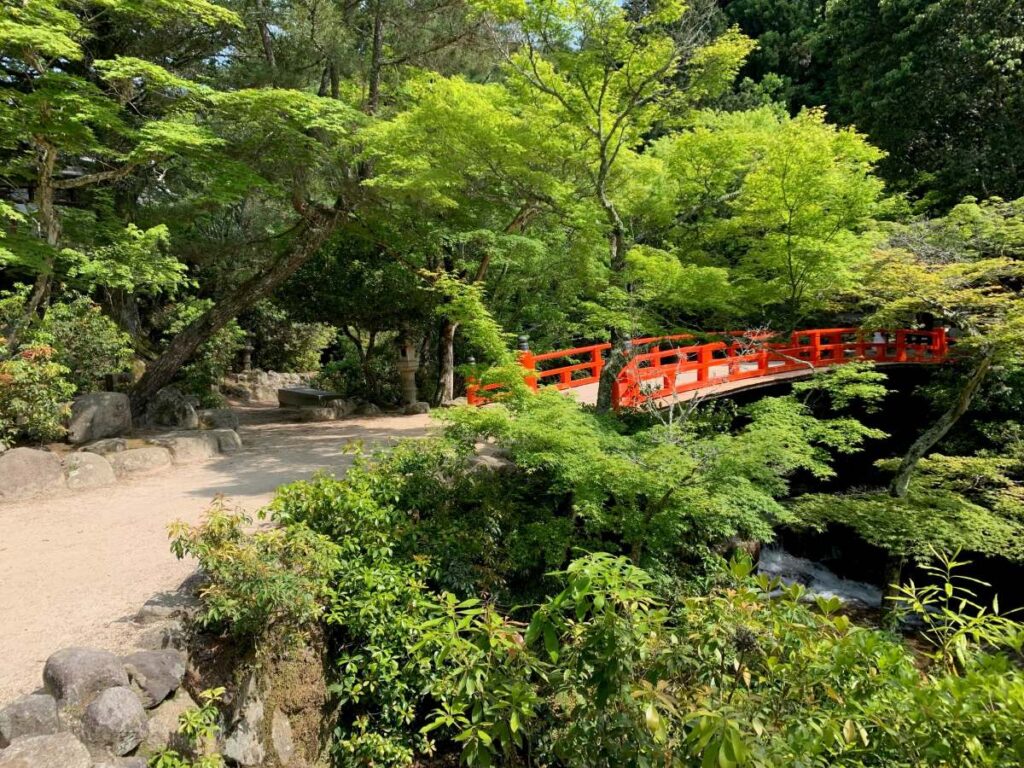
Momijidani Park: A short, scenic detour that links naturally with the ropeway area. It is one of nicest walks on the island, is very simple and it is especially good in autumn when the maples change.
Time 20–45 mins • Cost Free
Miyajima Brewery: A good end of day stop if you want one drink with a view rather than another snack queue. It is an easy sit down break that feels local.
Cost typical ¥1,000–¥1,800 (£4.74–£8.53)
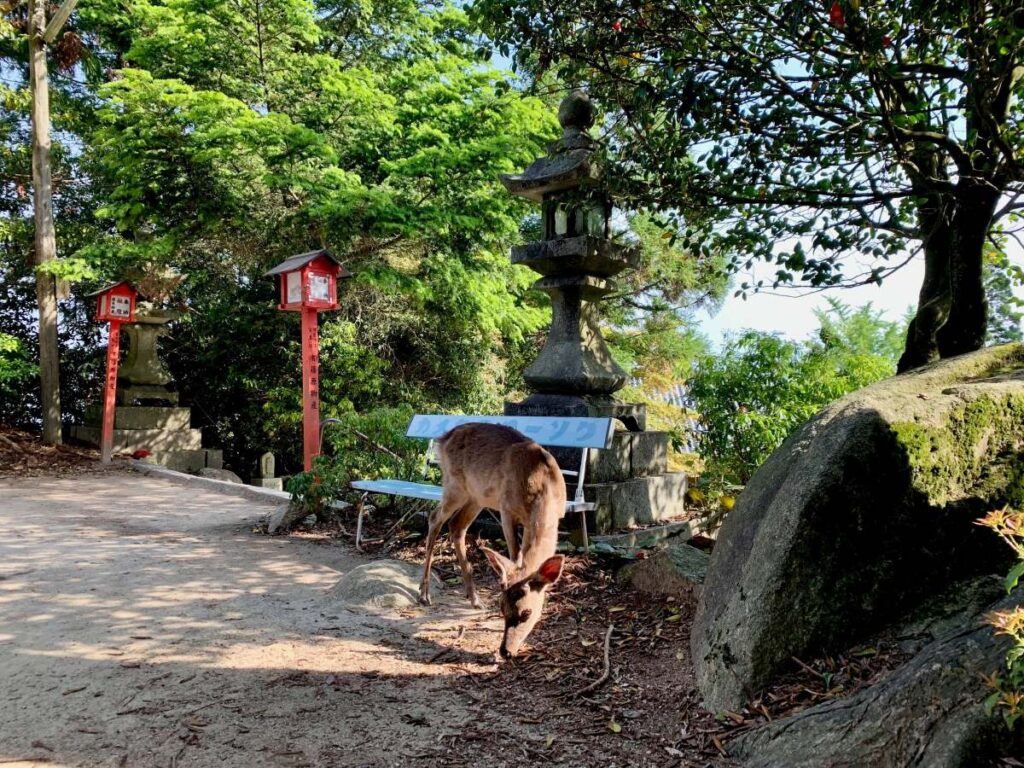
Mt Misen. Views, ropeway, and what is realistic
Ropeway plan. Best for views with less effort
Two ropeway lines take you up to Shishiiwa Station, then you walk on to viewpoints and the summit areas. It makes visiting all of Mt Misen realistic on a day trip, and you can buy one way if you want to walk the other direction and take in more of the scenery.
Time 2–3 hrs • Cost Adult ¥1,100 one way or ¥2,000 return (£5.21 or £9.47)
My Top Tip! The actual summit of Mt Misen is still a 30 minute walk from the ropeway, you don’t need to do this, but the views are even better than from the ropeway
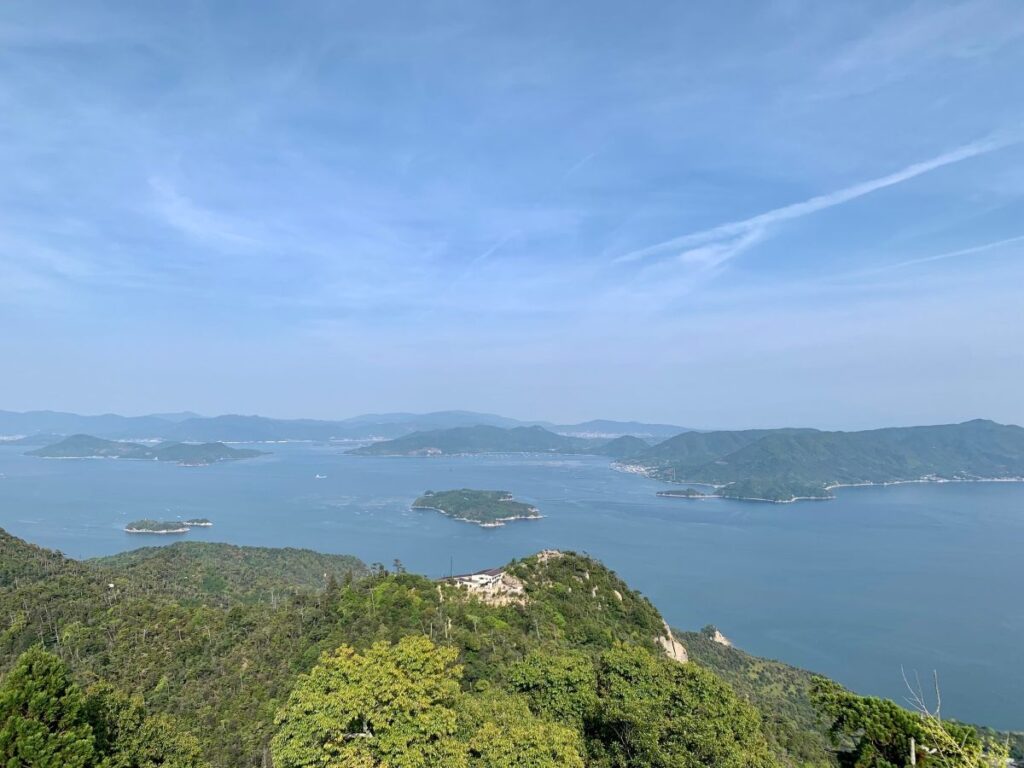
Shishiiwa Observatory (Tenbodai)
A viewpoint right by Shishiiwa Station with a wide look over the Seto Inland Sea. It gives you a big view even if you do not want the extra hike to the summit.
Time 10-25 mins • Cost Free
Reikado Hall (Hall of the Eternal Flame)
A small hall on Mt Misen that houses an “eternal fire” said to have been burning for over 1,200 years. It is one of the most distinctive stops on the mountain, and the fire is also used as kindling for the Flame of Peace at Hiroshima Peace Memorial Park.
Time 15-30mins • Cost Free
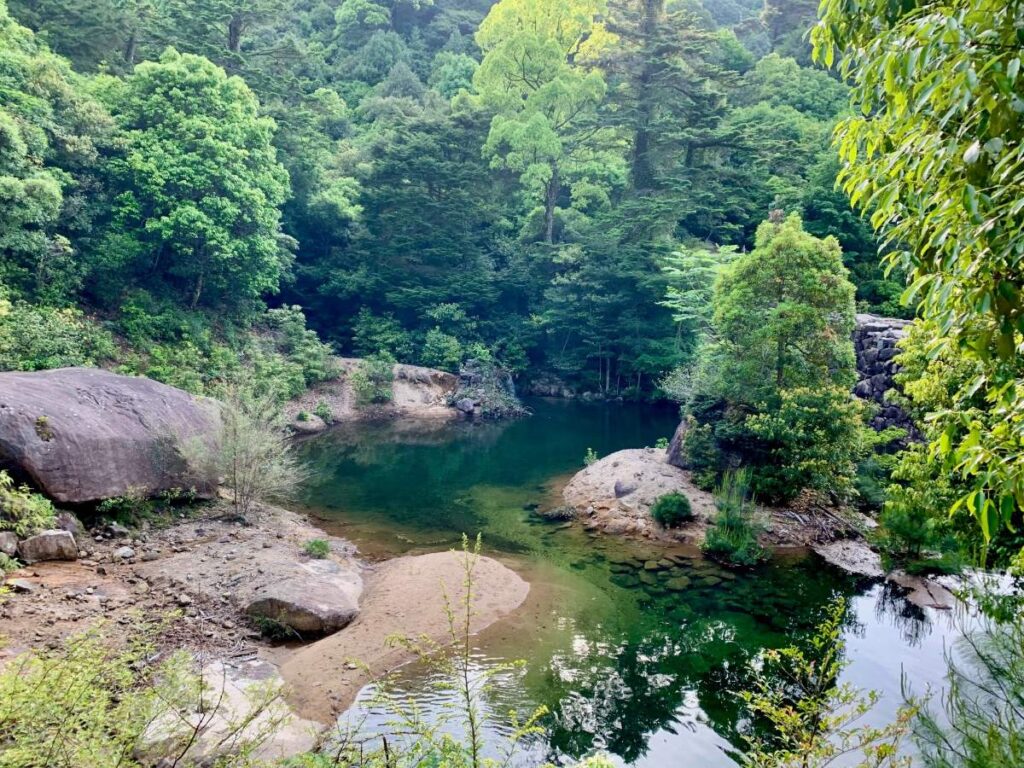
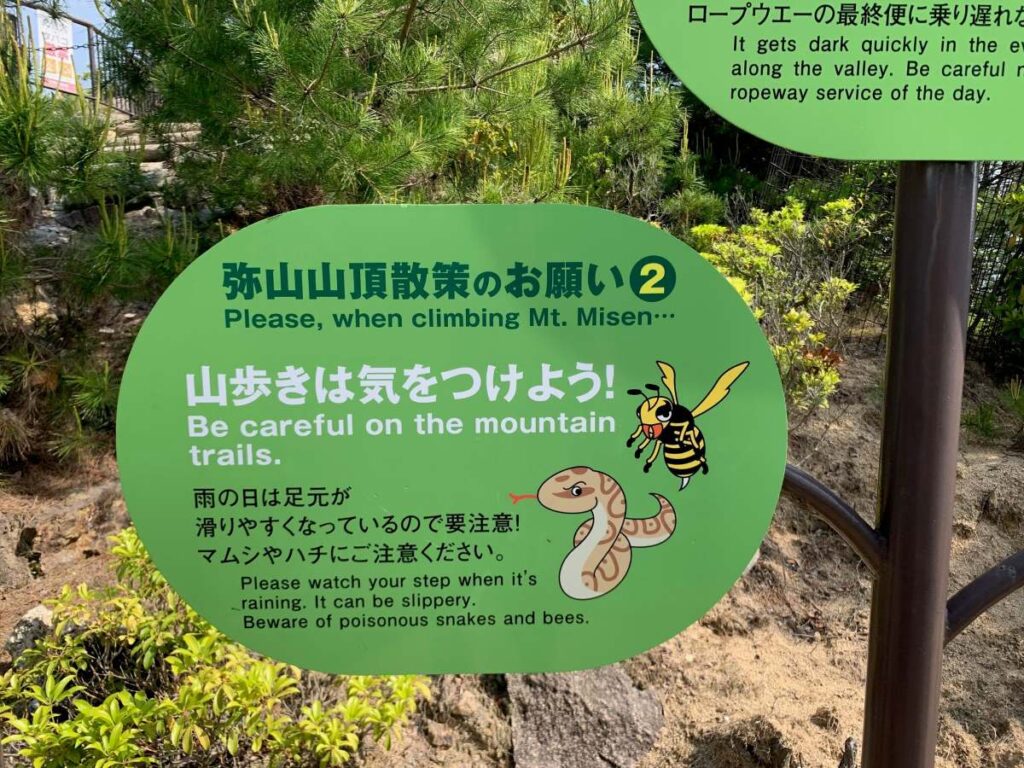
What is the hike like up Mt Misen
The main trails are a proper climb through forest, with a steady incline and some lovely view. It is the best way to get away from the busiest areas and is enjoyable with plenty of shade. You can do the hike one way if you quite like the adventure but are short on time or energy. This is what I did on my first visit.
Time 3–5 hrs • Cost Free
Food on Miyajima and Omotesando Shopping Street
Momiji manju. What it is (and why people buy it)
Momiji manju is a maple leaf-shaped baked cake, traditionally filled with sweet red bean paste. You will also see other fillings. It is Miyajima’s classic souvenir snack, and it is easy to try one fresh, then buy a small box for later if you enjoy it.
Oysters and anago. The two savoury staples
Miyajima is known for oysters, often grilled, panko fried or in set meals. It is a great place to try them and they tasted fantastic, some of my favourite oysters I’ve eaten.
Anago (conger eel) over rice is the other classic, especially around the island and nearby, delicious and iconic.
What to do on Miyajima if it rains
Miyajima Public Aquarium. The best indoor option
A compact indoor stop with Setouchi-focused exhibits, plus large pools for sea lions, penguins, otters and seals. It has enough variety to feel like a proper visit rather than a filler stop.
They also have live feeding shows, if this is your priority make sure you check the schedule, as they change regularly.
Time 1–2 hrs • Cost ¥1,420 (£6.73)
Deer on Miyajima: Rules and behaviour
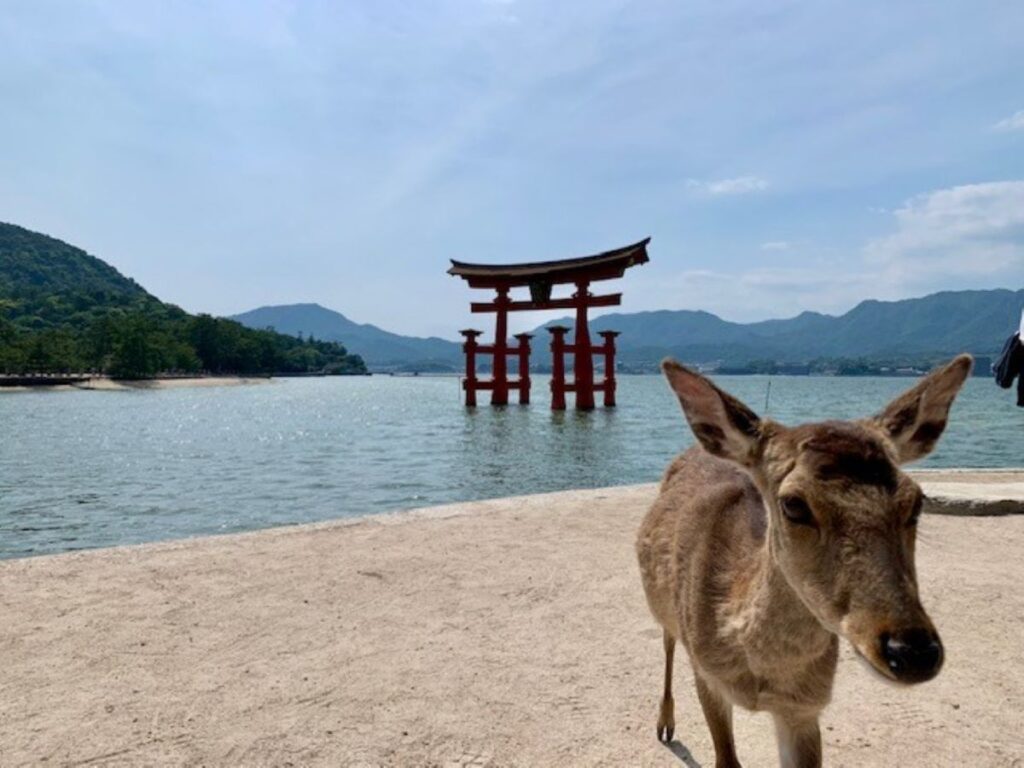
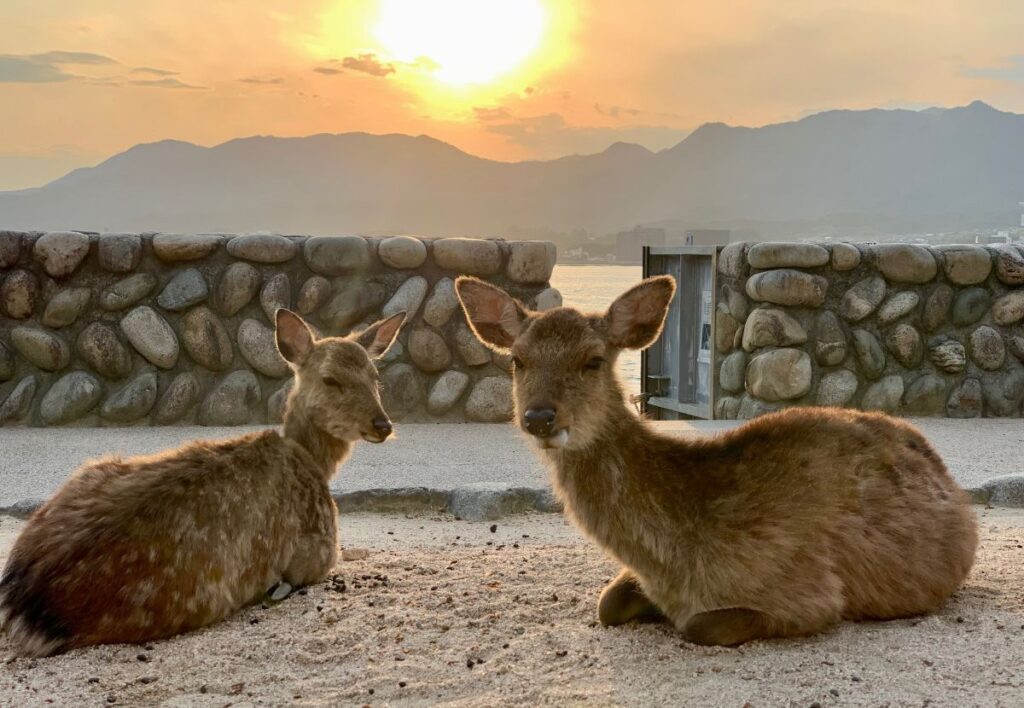
Miyajima is know for it’s wild deer, we really enjoyed them and saw them throughout the island, even right outside our hotel.
They are much less pushy than the ones you see in Nara, but this is partly because of the rules in place on the island. You cannot feed the deer, make sure you stick to this.
The deer are used to people and will approach you, especially near food. So it’s best to avoid holding food in your hand while walking. Without food, I found them very friendly and happy to pose close to me for photos.
FAQ’s about Miyajima Island
From Hiroshima Station, take the JR Sanyo Line to Miyajimaguchi (about 25 minutes). Walk to the pier and take the JR West Miyajima Ferry (about 10 minutes). Expect ¥420 one way for the train, ¥180 one way for the ferry, plus the ¥100 Miyajima visitor tax when you enter the island.
If you stay overnight, walk the waterfront after dark to see Itsukushima Shrine and the torii lit up (typically until around 23:00). Add a short loop to the pagoda area for quieter viewpoints, then finish with dinner at a ryokan or a nearby restaurant.
Yes. It is a straightforward day trip. The core transfer is a JR train to Miyajimaguchi (about 25 minutes) plus a 10-minute ferry, with frequent sailings. Many people do Hiroshima Peace Park and the museum first, then head to Miyajima for the afternoon and evening or overnight.
You will usually see deer near the ferry pier, along Omotesando shopping street, and around the Itsukushima Shrine area, especially in daytime.
Yes for most first-time visitors. It is close to Hiroshima, and it packs in the famous torii and shrine scenery, Mt Misen views, and deer in a small, walkable area. Staying overnight is worth it if you want a quieter island and night views. It is one of my personal favourite stops in Japan.


6 Comments
Comments are closed.