
Cherry blossoms are predictable enough to plan for, but not predictable enough to plan around one perfect day. You need to have some flexibility and a solid idea of how to approach it. When the cherry blossoms bloom isn’t an exact science.
My guide gives you the best chance of maximising cherry blossom season in Japan and tips on how to see them, when is best and what to consider before you leave and when you’re away.
TL;DR 60 second plan for what you need to do
- You need to plan a few days within a bigger trip, not just a day.
- Book cancellable hotels on your trip. Flexibility on where you are when is key.
- Protect at least two flexible days in your itinerary. These become your blossom days.
- One week before you fly, choose your flexible days based on the latest cherry blossom forecast.
- On the days, start early and plan 1-2 main spots.
More of my Japan guides to plan around your Sakura trip
- Where to stay in Tokyo — Best bases and hotels for first timers visiting Tokyo
- How many days in Osaka — A ready made itinerary for the best things to see in Osaka
- Tokyo 3 day itinerary — A guide to the best sights and hidden gems.
- Kyoto in 2 Days — A guide to everything you will want to do in Kyoto
- Perfect Hakone Loop — What to do and how to get around when you are in Hakone
- Japan Two-Week Itinerary — How Kamakura fits into a wider route without backtracking.
- Kamakura day trip from Tokyo — One of the most rewarding trips from Tokyo
If this is mainly a cherry blossom trip, keep reading. The next sections give you the tips and plan Bs that will increase your chances.
Disclaimer: This article may feature affiliate links. If you click these links, and choose to book with that hotel or company, I will earn a small commission at no extra cost to you. I appreciate the support that allows me to continue providing this information
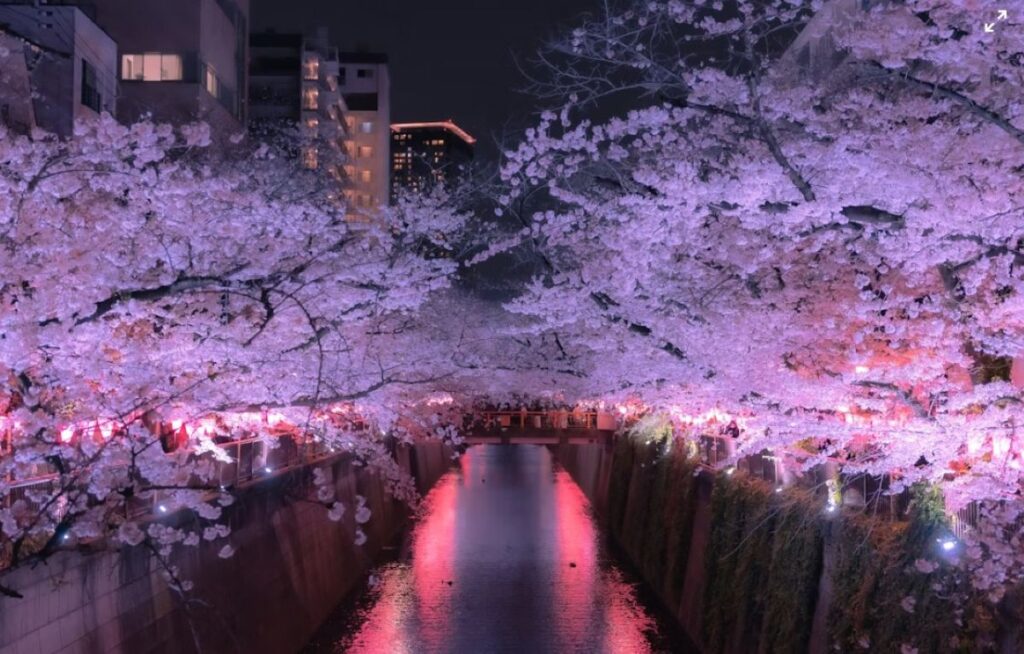
How cherry blossom timing works in Japan
You do not need to understand everything about sakura season, there are two bits that are useful when you’re looking at the forecasts:
- What is first bloom and full bloom?
- Which is the best time for viewing?
First bloom vs full bloom vs best viewing
First bloom is when blossoms start opening. Full bloom is when most blossoms are open. Best viewing is usually the stretch from just before full bloom through early petal fall.
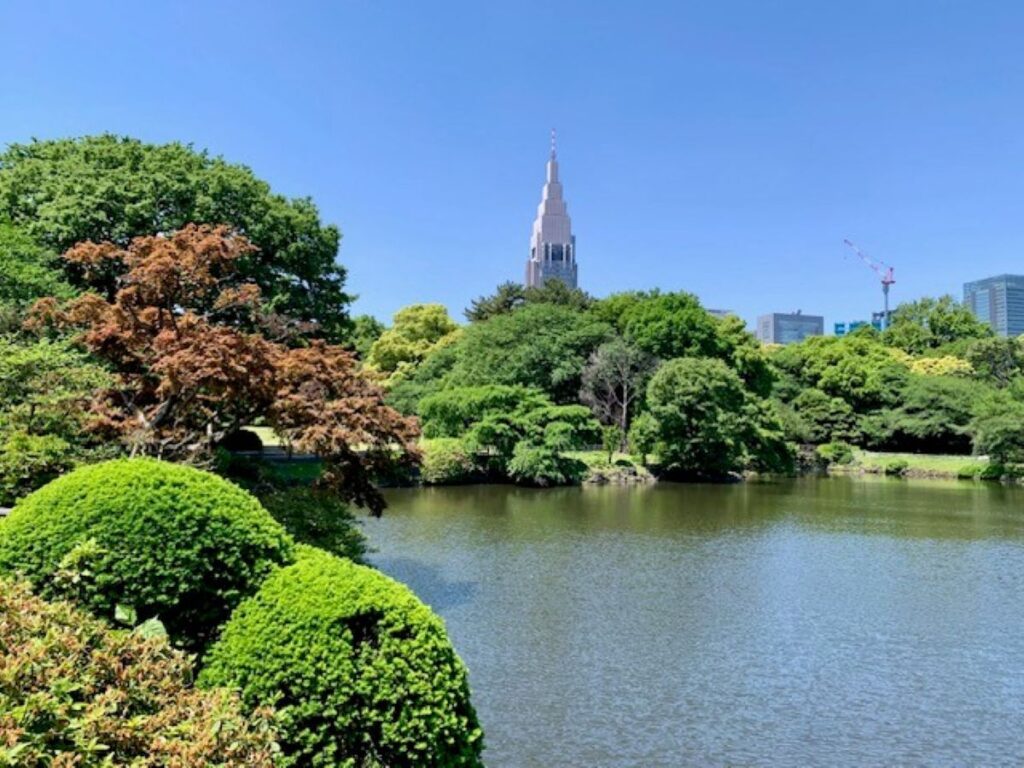
Why the same city can be early in one park and late in another
Small differences in sun, wind, elevation, and tree variety can shift timing. The bit people get wrong is assuming a city has one blossom date.
What you should do is make a shortlist of nearby spots so you can move between them if one lets you donw, without changing accommodation.
Cherry Blossom Forecasts without the stress. What to check and when
Lots of people recommend to be constantly checking, this isn’t neccesary. Check the forecast when it’s released, then check the day before you travel and the day before your planned blossom days, flex your plan accordingly.
This is where the flexibility of your hotel bookings and itinerary come in handy, adjust your plan based on the latest forecast
MY TOP TIP! I recommend you use as the official JMC forecast as your Sakura gospel, it’s regularly the most reliable and is frequently updated. JMC is the Japan meteorological corporation.
How to manage the crowds
Crowds are the number one reason people feel disappointed, even when blossoms are great. Follow these tips
- Start your day early, afternoon tends to be the busiest time.
- Avoid building your day around one of the most popular spots at midday
- If you have a choice, weekdays tend to be much quieter
- Plan 3-4 spots you want to try, if one is horribly busy, move to the next
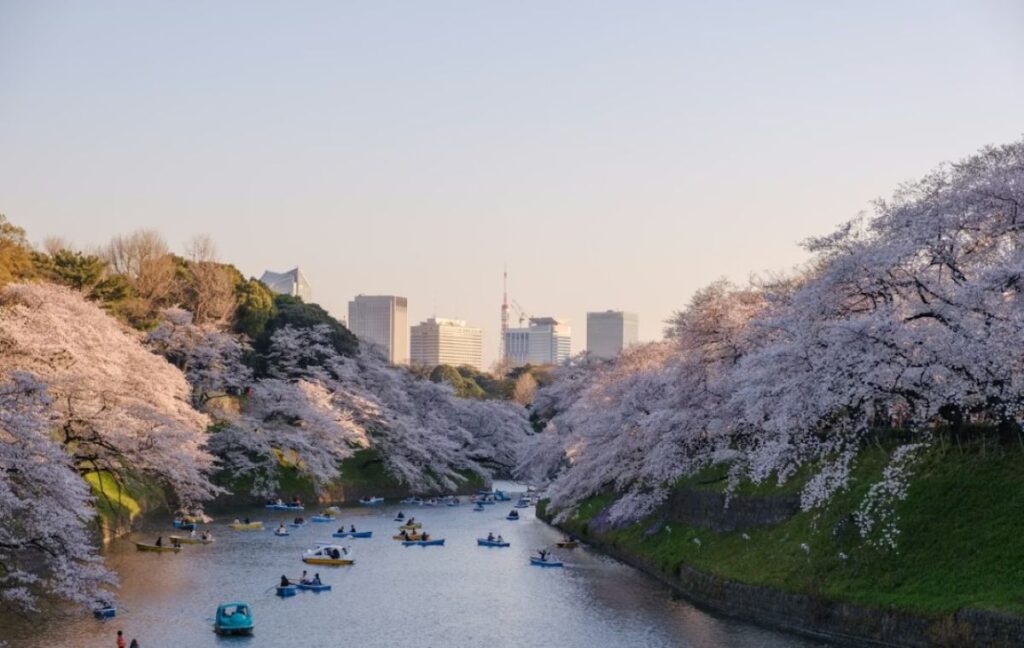
Best spots to see sakura blossom in Tokyo, Osaka and Kyoto
Use this section as a shortlist, not a checklist. Watch out for trying to do every famous place in one day.
Instead, pick one headline spot and a few backups near each other so you can switch if crowds or weather aren’t in your favour
Tokyo cherry blossom picks
- Ueno Park. Go early for the classic big-park hanami feel, and use the size of the park to escape pinch points when it gets busy.
- Meguro River (Nakameguro). Best for a riverside walk, especially late afternoon into evening when the street scene comes alive.
- Shinjuku Gyoen. Choose this if you want more space and a calmer, more organised visit than the most famous street-level hotspots.
- Chidorigafuchi. Pick it for the water-and-blossoms views, but plan it as an early start or a quick stop because it’s one of the most popular
- Sumida Park. A straightforward riverside route with open views, easy to pair with other nearby plans without crossing the city.
Downloadable Map for Tokyo
My Kyoto blossom recommendations
- Philosopher’s Path. A canal-side walk that works well first thing, before tour groups stack up along the narrow sections.
- Maruyama Park. Good for a lively, central hanami atmosphere, and easy to combine with nearby areas without complex transport.
- Okazaki Canal area. Ideal if you want waterside scenery that feels more relaxed, with plenty of space to just keep walking.
- Kamo River banks. Use it as your simple backup for peak days, because you can dip in and out anywhere along the river.
- Arashiyama. A solid choice when you want a fuller day out where blossoms are part of the plan, not the only reason to go.
Downloadable Map for Kyoto
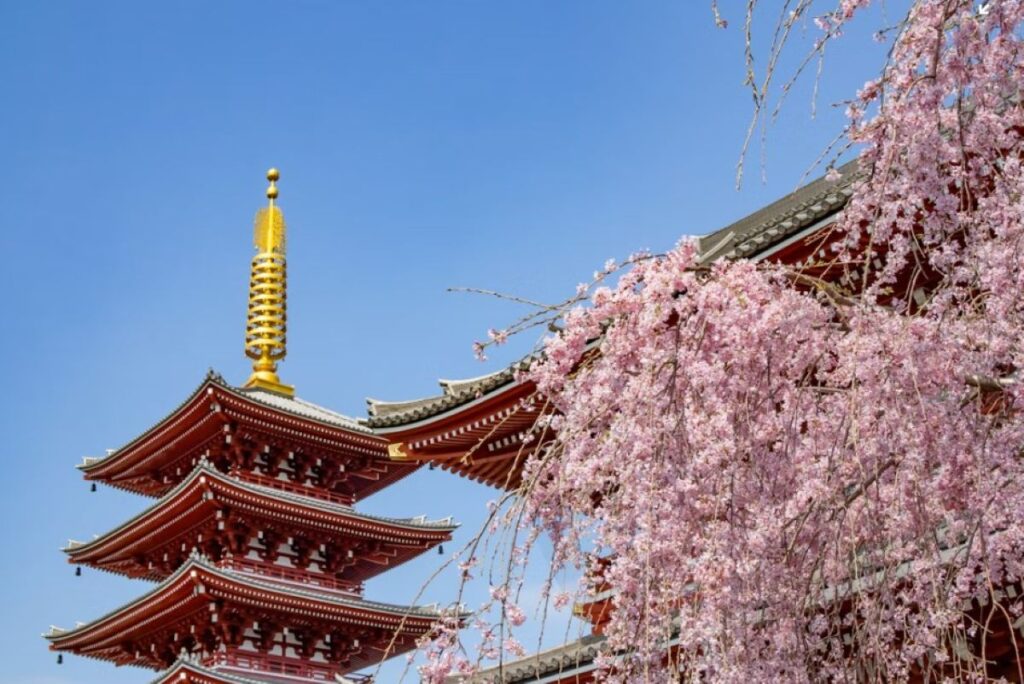
Osaka’s best blossom spots
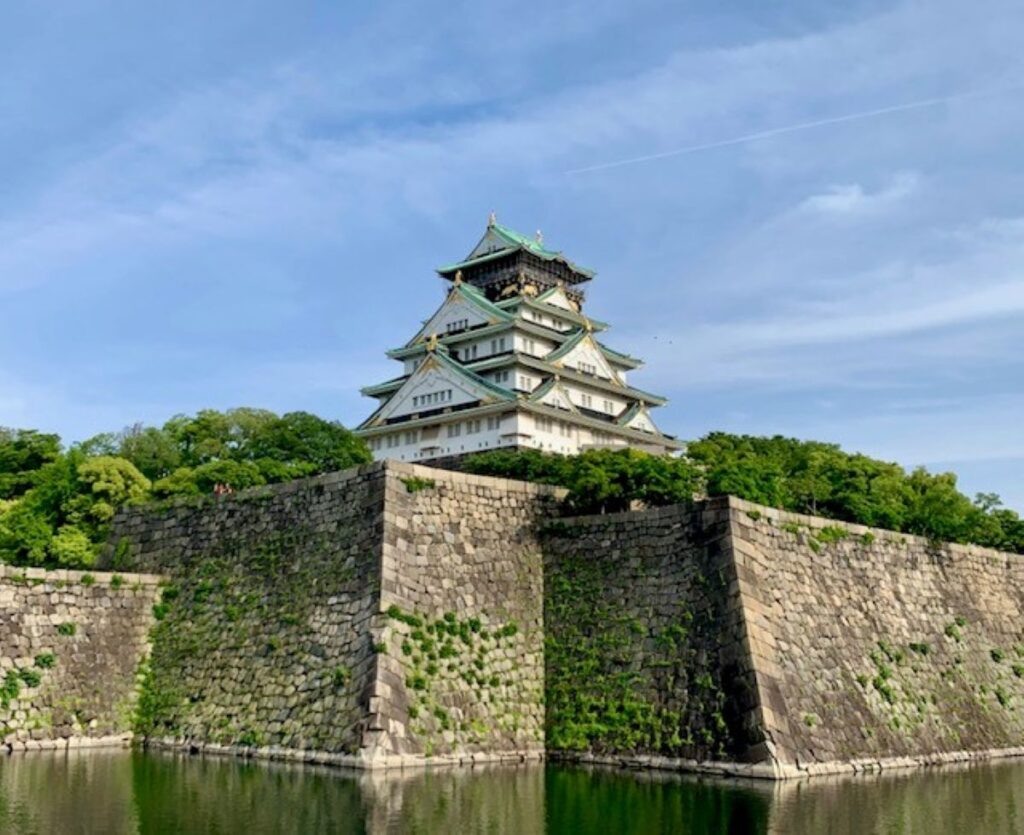
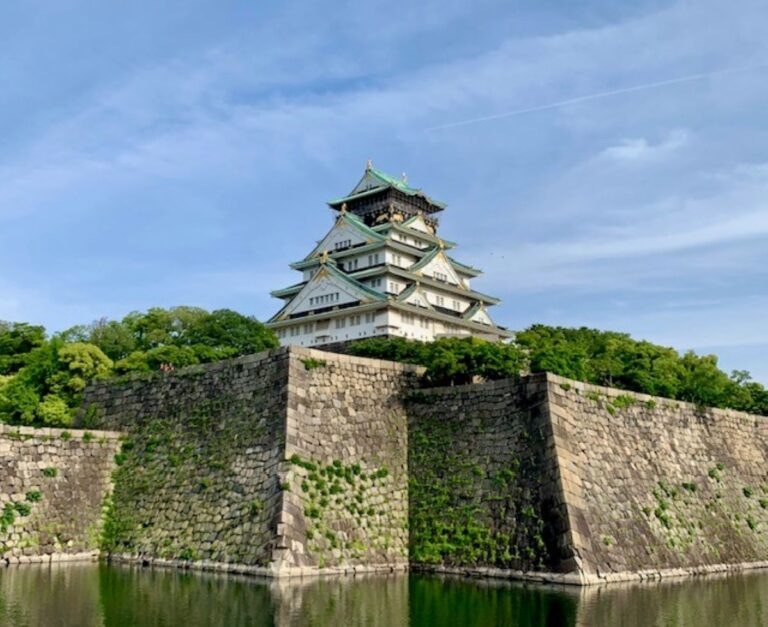
- Osaka Castle Park. Go for the iconic backdrop, then move away from the main approaches if it feels too packed.
- Kema Sakuranomiya Park. Great when you want a long, easy walk with lots of blossoms and fewer bottlenecks than central hotspots.
- Mint Bureau area (around the river). Worth considering if access is open, the grounds on the river side are open for a week in mid-April for cherry blossom viewing
- Expo ’70 Commemorative Park. Choose it if you want breathing room and a less frantic day, especially on weekends.
- Sumiyoshi Taisha area. A good pick if you want a different feel from the headline sights and prefer somewhere that is often quieter.
Downloadable Map for Osaka
Hanami basics. Etiquette and how to enjoy it
This section is short on purpose. You only need the basics.
Don’t assume every park allows the same picnic rules. These are my simple to follow tips:
- Follow signage and staff instructions.
- Take rubbish with you if bins are limited.
- Keep noise reasonable, especially later in the day.
- Don’t block paths with picnic sheets.
- Don’t stop in narrow bottlenecks where people are flowing through.
Something special: Night blossoms (yozakura)
Yozakura is blossom viewing after dark, sometimes with lanterns or lighting. It is great to consider as it’s often less busy than daytime and looks very different. Excellent for a photo opportunity!
MY TOP TIP! Keep one evening free and if the weather allows try 1 or 2 spots
FAQs for first timers planning around cherry blossoms
Book accommodation early if you’re travelling in peak season, but prioritise flexible cancellation. Availability often drops before forecasts are reliably precise, so you need to make a decision.
Aim for a viewing range, keep a backup spot, and protect two days with no timed entry so you can move your blossom-heavy day to the best forecast day.
If blossoms are the main goal, make them the highlight. They are hard to predict though, so make a strong, flexible plan with at least two movable blossom days plus a backup plan for rain or early petal fall.
Use forecast trends to compare regions and choose the route most likely to match your travel period. If dates are fixed, bases with day trips give you better odds.
Start early on your key day, do 1–2 main spots, and avoid planning a midday visit to the most famous location.


One Comment
Comments are closed.