
You have probably seen photos of Ilha Grande’s tropical island green hills and long beaches, then hit a wall when you tried to plan it. Which port do you use, how do the boats work, how many nights do you need and where should you stay if there are no cars?
I remember trawling through so many bits of information when planning, so decided to create a guide that covers all those travel tips one by one, in one place, so you do not have to piece it together from scratch.
When I booked my first trip, I kept things simple. One hiking day, one day on the water and one slower day in the village. The sections below show you how to build something similar that fits your time and budget.
TL;DR Ilha Grande at a glance
- Best for Simple pousadas, beaches, walking, boat days
- Ideal first visit 3–4 nights
- Best first-time base Vila do Abraão
- Easiest gateway Rio → Conceição de Jacareí → fast boat to Abraão
- Typical daily budget Roughly R$200–R$700 per person, depending on style
More of my Brazil guides to help plan your trip
- Paraty Brazil Travel Guide — The best activities, things to see and how to get to Paraty from Rio and Sao Paulo
- Restaurants in Paraty — My favourite restaurants in Paraty for all occasions, plotted on an easy to follow map
- Ilha Grande Pousadas and Hotels — The best areas to stay on the island and hand picked accommodation options
- Ilha Grande Hikes — The best hikes on the island, distance, time and top tips to enjoy
- One day in Sao Paulo — A first-timer friendly guide with tips and a downloadable map
Disclaimer: This article may feature affiliate links. If you click these links, and choose to book with that hotel or company, I will earn a small commission at no extra cost to you. I appreciate the support that allows me to continue providing this information
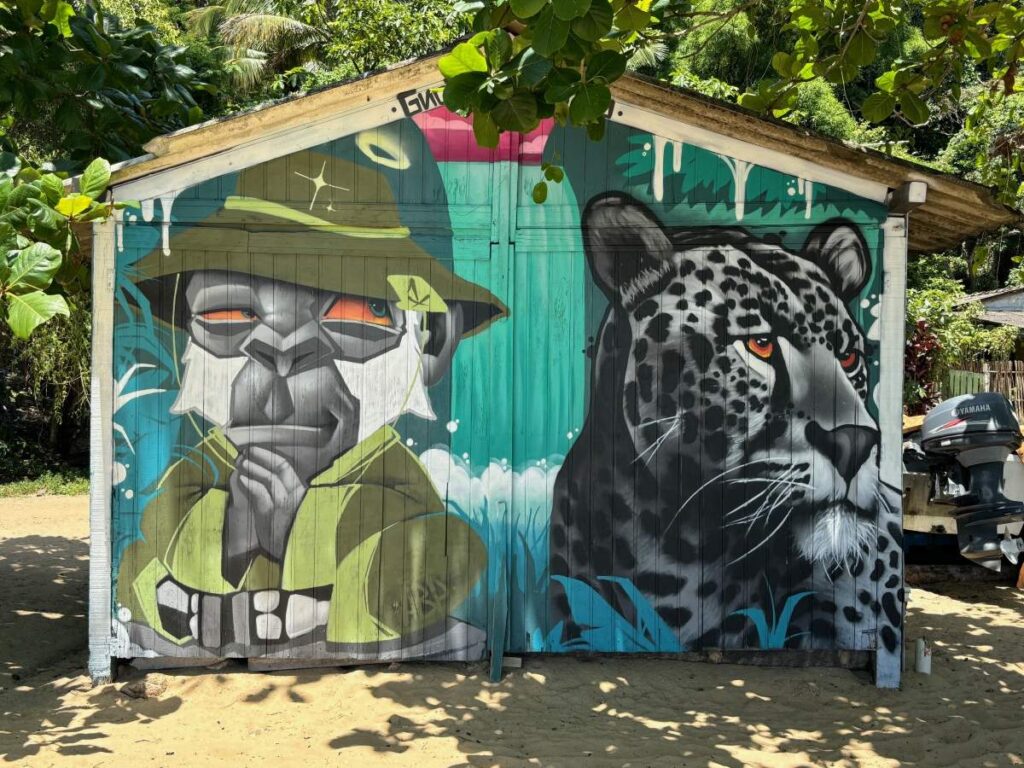
What and why: is Ilha Grande worth it for your Brazil trip?
Ilha Grande is a forested island off Brazil’s Costa Verde. There are no cars, only walking paths and boats, with small villages, palm backed beaches and rainforest hills rising behind the shore. For me it was one of my highlights in South America and feels like a slower world that is still an easy transfer from Rio and Paraty.
You should certainly go if you are a fan of; soft sand beaches, clear water boat trips, snorkelling, some rewarding hikes with big views and a shot at seeing some interesting animals. Even if you are not a big hiker, there are short trails and easy beaches that work for most visitors.
How many days do you need on Ilha Grande?
For most first timers visiting Ilha Grande, two nights is the bare minimum I recommend. That gives you one full day on the island, which is just enough for a single big outing such as Lopes Mendes beach or a classic boat tour.
Three nights is ideal for many people. It allows a beach or boat day, a hike or two and one slower half day to wander the village, which is what I preferred. Four or more nights is ideal if you enjoy walking, want to slow down or plan to split time between Abraão and a quieter stay in a different bay.
Sample 2 night stay: quick taste of Ilha Grande
A simple 2 night stay usually means arriving around lunchtime on day one, a full day free, then a morning boat back on day three. Most people choose either choose to visit Lopes Mendes or a full day island boat tour as their main activity.
If you land early enough, you can add a short walk to a nearby beach on day one, then enjoy dinner on the sand before your main trip the next day.
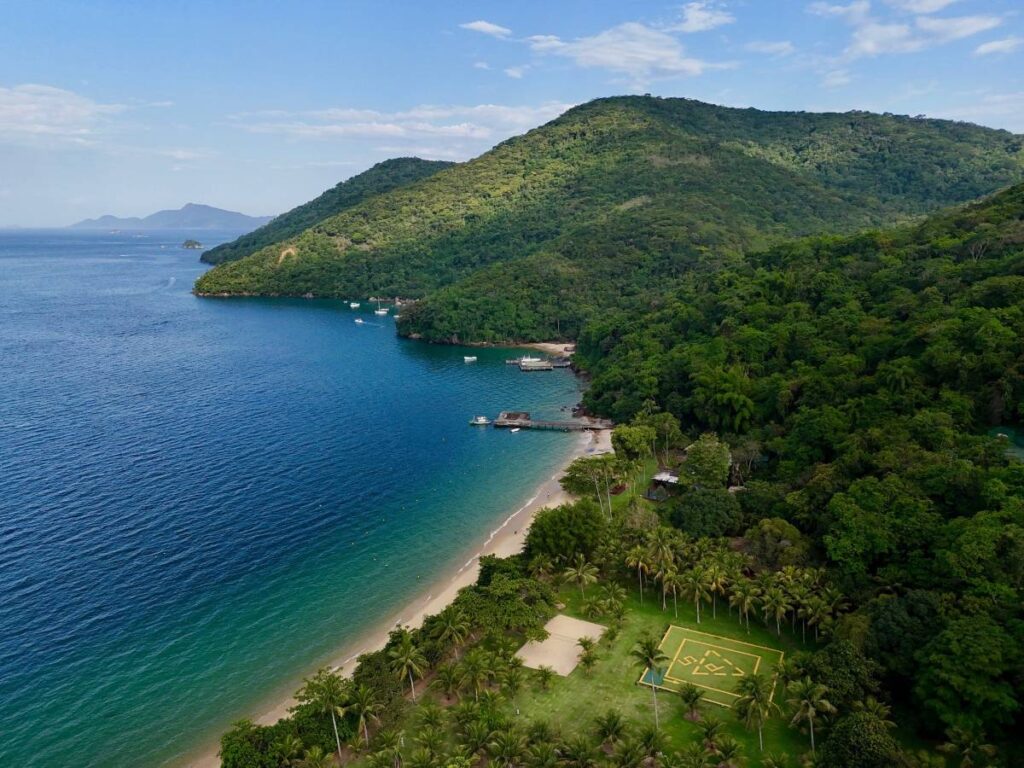
Sample 3-4 night stay: hikes, boat trips and beach time
With 3–4 nights, you can mix a big day trip, a shorter hike and a slower day. One very workable pattern is one day for Lopes Mendes, one day for a boat tour to lagoons and outlying beaches, and one quieter day in the village and sunset.
If you like hiking, you could also swap the boat tour for the jungle Pico do Papagaio hike or extend your stay and spend the last night in a quieter bay such as Aracatiba.
Where to stay on Ilha Grande
Choosing a base is one of the most important decisions. There are no roads. Paths can be steep or muddy in places, and many beaches are best reached by boat. Where you stay ultimately decides the kind of trip you have.
Read my in depth guide to Ilha Grande Pousadas and hotels, for extra detail on where to pick.
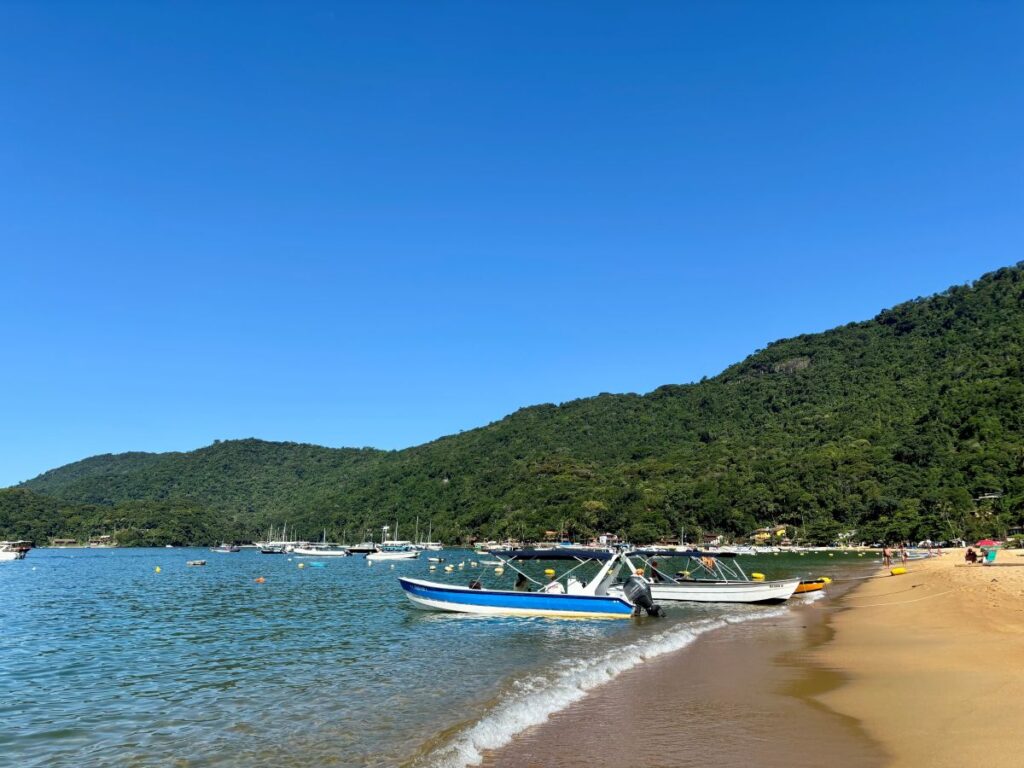
Vila do Abraão: best all round base for first-timers
Vila do Abraão is the main village and the default choice. You will find most guesthouses, a few hostels, many boat tour desks, simple shops and most places to eat here. Boats from the mainland often come directly to its pier, so arrival is easier.
Stay in Abraão if you want straightforward logistics, easy access to tours and a bit of evening atmosphere with beachside bars and dessert carts. I liked staying close to the seafront for the views and music, but if you are sensitive to noise, look for a pousada one or two streets back or ask for a room away from the bar areas, as some waterfront places run music late.
My Top Tip! My recommendation is to stay here if it’s your first visit. Families and less mobile travellers will also definitely find Abraão easiest.
Budget Option – Pousada Farol dos Borbas. Central near the pier. Air-con rooms, easy walk to tours and restaurants. R$550–R$900 (£75–£123)
Mid range Option – Pousada Água Viva. Right by Abraão Beach. Air con, great base for early boats and day trips. R$700–R$1,300 (£95–£177)
Special Stay – Bonito Paraiso Ilha Grande. Special beachfront stay on Abraãozinho. Standout service and food, proper hideaway feel. R$1,650–R$2,600 (£225–£355)
Aracatiba: quieter base near lagoons and coves
Aracatiba is a smaller village on the opposite side of the island, closer to lagoons and sheltered coves. Guesthouses here often feel more tucked away, with fewer people around once day tour boats leave.
It is a good choice if you want a quiet, relaxed break and do not mind having fewer restaurants and bars to pick from. Boat transfers can take a little longer and you may rely more on your guesthouse for meals and arranging trips.
There are other even smaller, options if you like peaceful and remote, I recommend you take a look at the map on any of the good accommodation booking websites and see what takes your fancy.
Budget Option – Suítes Carla e Carol. Simple, good value suites near the beach. Handy for boat trips and a quieter stay. R$250–R$750 (£34–£102)
Mid range Option – Pousada Canto do Mar Ilha Grande. Beachside in Araçatiba. Sea views, relaxed vibe, easy access to boats and local eateries. R$650–R$1,200 (£89–£164)
Special Stay – La Coquille. Higher-end beachfront option in Araçatiba. Beautiful views, more space, great for a slower, special stay. R$1,200–R$2,400 (£164–£327)
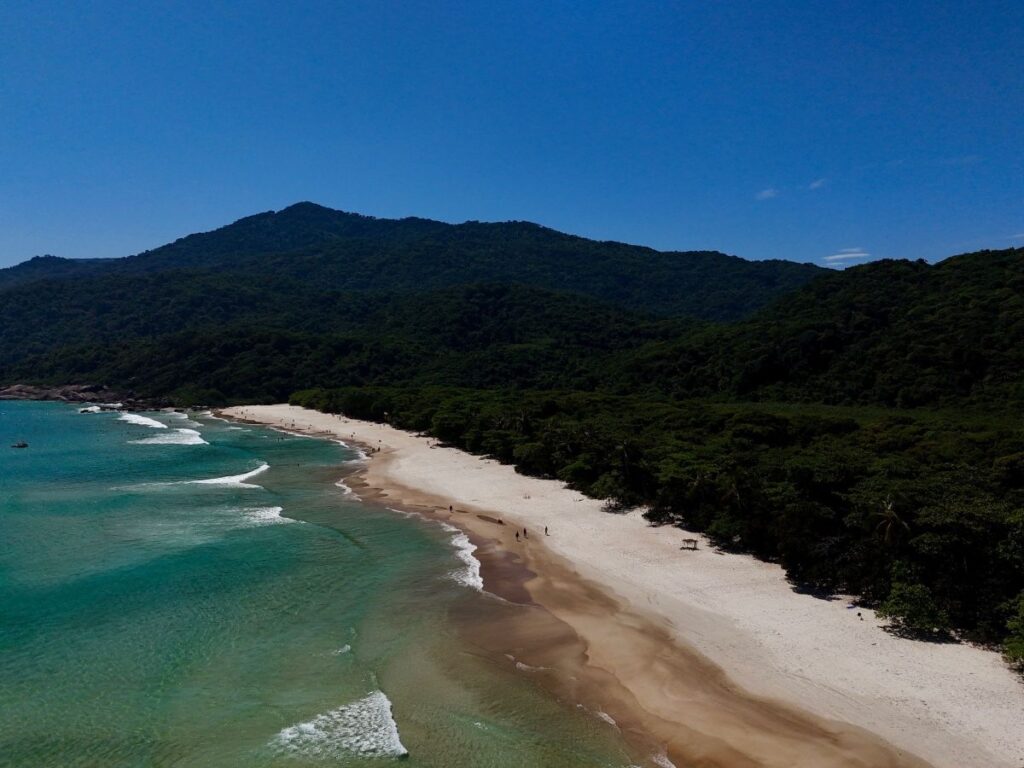
How to get to Ilha Grande
Reaching Ilha Grande always involves a road leg plus a boat. You cannot take a car across. Once you understand that, the routes from Rio, São Paulo and Paraty are straightforward.
My Top Tip! On my first visit, I used a van plus boat package from Rio and felt the extra cost was worth it. Something that would be even more true after a long flight. It is a relief not to think about matching bus and boat times while jet lagged.
From Rio de Janeiro to Ilha Grande (van and bus options)
From Rio, you can book a combined transfer that picks you up in the city or near the airport, drives to Conceição de Jacareí and includes the boat to Abraão on one ticket. For most first timers,that is the least stressful option.
If you want to save money, you can take a Costa Verde bus from Rio to Angra dos Reis or Conceição de Jacareí and then buy a separate boat ticket. This takes a bit more effort and timing but works fine if you are used to buses.
Shared Van and Fast Boat: Time 3-4hrs Cost R$230-320 (£32-45)
Local bus and DIY boat: Time 4-5hrs Cost R$100-220 (£14-31)
From São Paulo to Ilha Grande
From São Paulo, you usually take a long distance bus to Angra dos Reis or Paraty, then connect by bus or van to the port and catch a boat. Travel times are longer than from Rio, so many people break the journey with a night in Paraty.
It is a good route if you are already in São Paulo or planning a wider loop, but for a short beach break, Rio plus Ilha Grande is easier.
My Top Tip! I have written a detailed guide on what to do in Sao Paulo, which helps fire-timers and has a free downloadable map to follow
Time 9-11hrs Cost R$350-500 (£49-70)
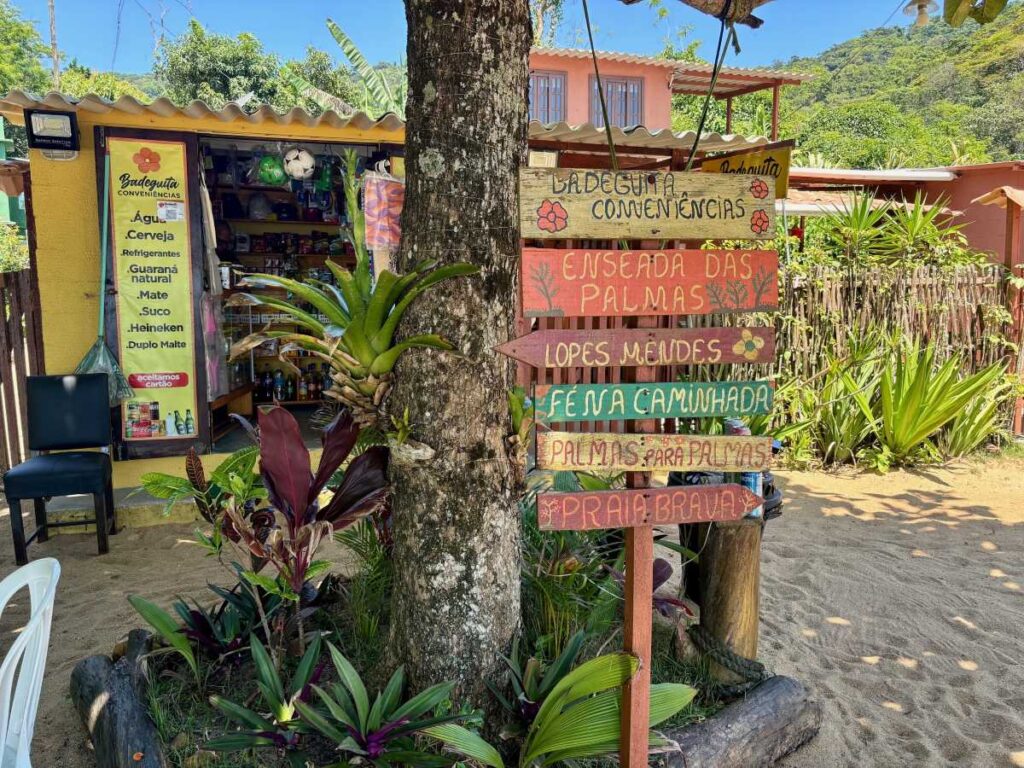
From Paraty and the Costa Verde
From Paraty, small agencies sell van plus boat combinations that take you along the coastal road to Angra dos Reis or Conceição de Jacareí, then across to Abraão. This works well as part of a Paraty and Ilha Grande combo.
You can also get an Uber or a private taxi if you are trying to save time. I have done this and it worked perfectly, just make sure you time your arrival with the boat schedule. If you are considering visiting, take a look at my Paraty Brazil Travel Guide.
Time 3-4hrs Cost R$250-300 (£36-42)
Best things to do on Ilha Grande
There is more than enough to fill your time on this beautiful island, The key is choosing activities that match your fitness and how much you enjoy boats.
If you are looking to explore the island on foot take a look at my recommended Ilha Grande hikes.
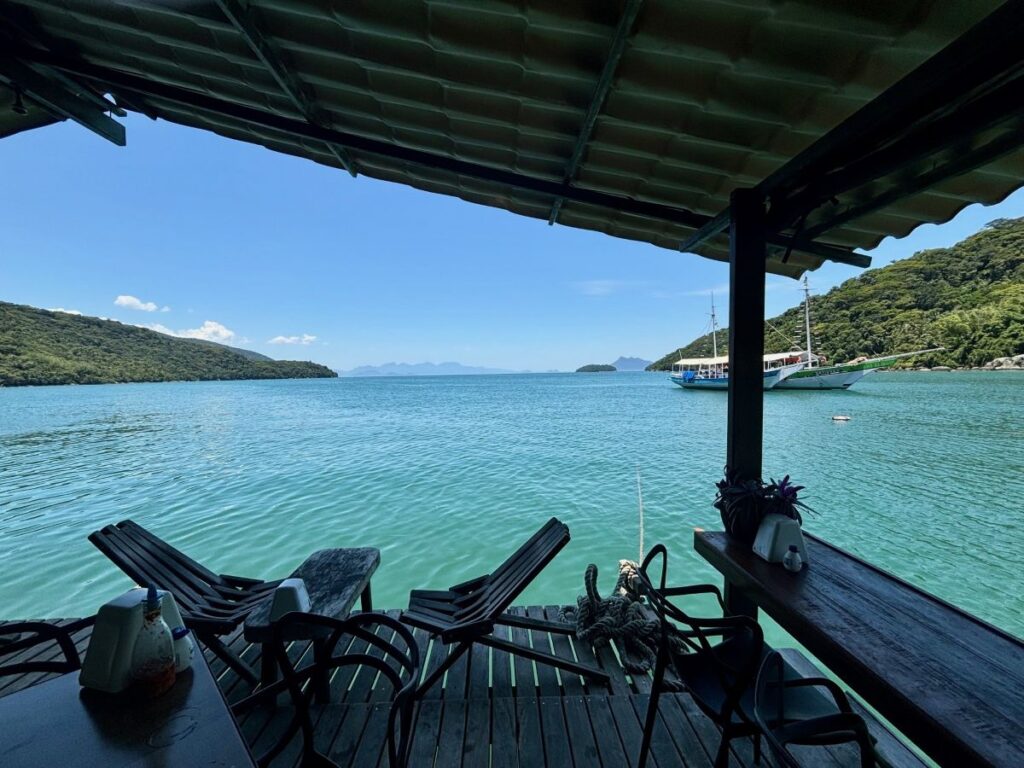
Lopes Mendes: the island’s headline beach
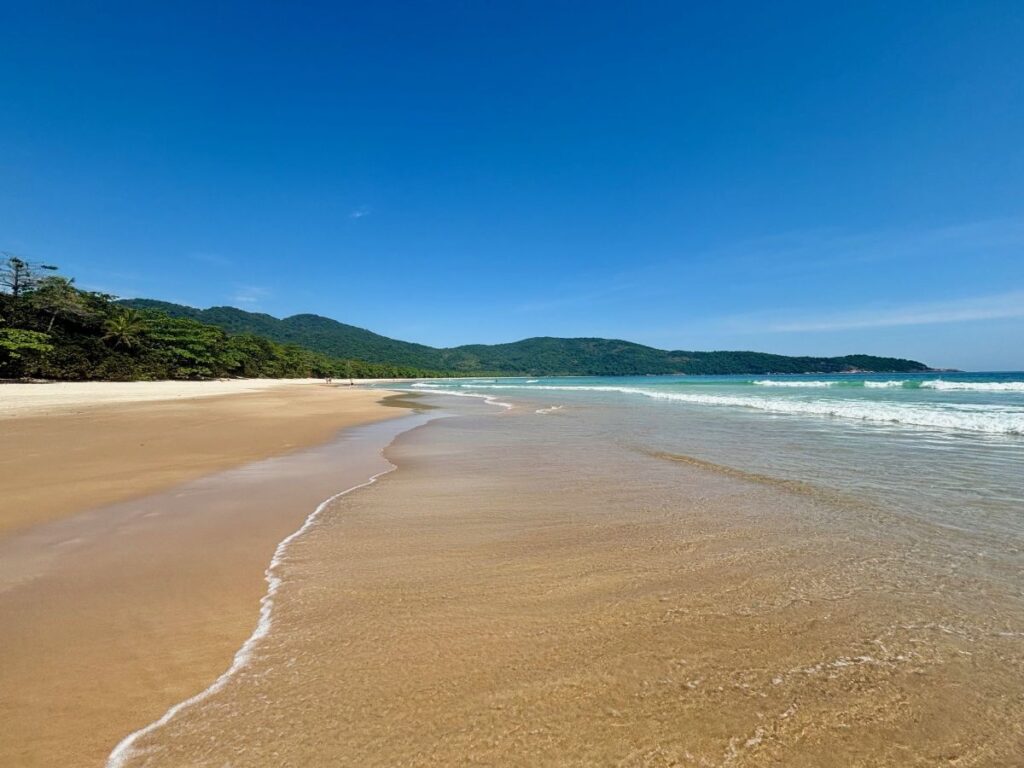
I bet that it’s likely you have seen photos on Lopes Mendes, when looking at Ilha Grande. It is a long, soft sand beach on the ocean side of the island. There are no buildings on the sand, only trees behind the beach and a few simple food stalls nearby.
The water is usually clear with gentle waves and you can walk out a good way before it gets deep, tide dependent.
You can hike from Abraão or take a taxi boat to Praia do Pouso then walk a short trail over a hill. The second option is easier for most families and first timers and still feels like a small adventure.
My Top Tip! I decided to take on the hike on my first visit and loved it. I stopped at Marola Flutuante on Pouso beach for a lunch over the water before catching the taxi boat back, which broke up the journey nicely. The lunch was good, I definitely recommend it as a stop.
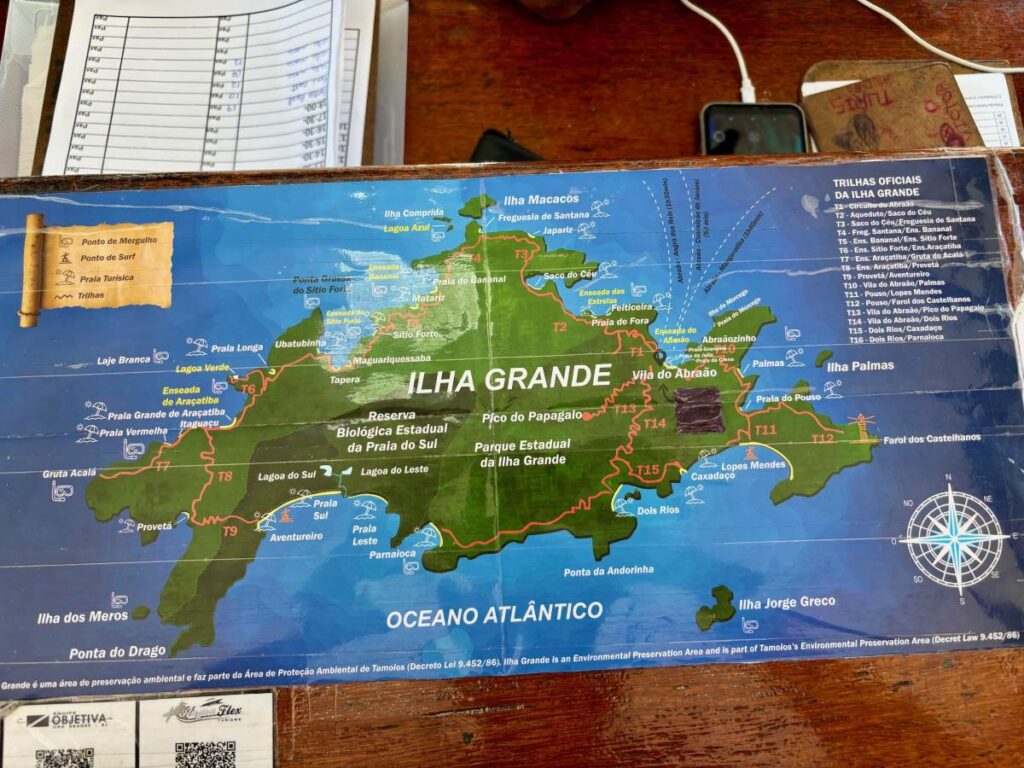
If you enjoy longer walks, you can follow trail T10 from Abraão to Palmas, then continue to Mangues and Pouso. It took us about two hours fifteen minutes to reach Pouso at an easy pace, with small cafés and taxi boats along the way, if you need a break.
From Pouso, a signed path leads to Lopes Mendes in about 10–20 minutes with a short, sometimes muddy climb, so decent footwear helps even in dry weather.
Time 4–6 hours including boat and beach time • Cost typical R$70–R$150 per person for return taxi boat plus snacks (£12–£25)
Pico do Papagaio: the big hike with stunning views
Pico do Papagaio (or Parrots Peak!) is one of the highest points on the island, with wide views over the forest, bays and mainland mountains on clear days. The trail is steep and often muddy, with roots and rocks underfoot, so it feels like a proper mountain hike, and you.
Most people book a local guide, especially for a sunrise hike that starts in the dark. When I did it, the hike took around three hours up and a similar time down at a steady pace, with a very early start for sunrise, so it suits reasonably fit travellers who already enjoy full day walks.
Time 6–8 hours including rest stops • Cost typical R$200–R$350 per person with guide (£35–£60)

Easy walks and natural pools near Abraão
If you prefer something gentler, the Abraão circuit offers shorter walks to nearby beaches and natural pools. Paths weave through the forest, past small waterfalls, an old aqueduct and a former prison ruin (you can no longer go inside), so you still get variety without committing to a full day.
On my first visit, I liked the short 45 minute loop from Abraão to the natural pools, which felt like an easy win on a day when I did not want a big hike. These walks are ideal for a half day. You can stop for a swim at small coves and be back in the village before dark. Theya re easy to follow and easy to find, with lots of other walkers also on the routes.
Time 2–4 hours • Cost Free or about R$10–R$40 per person for snacks and drinks (£2–£7)

Boat trips and lagoon days: what to expect and what they cost
Boat tours are the easiest way to reach lagoons and distant beaches. Popular routes visit spots such as Lagoa Azul, Lagoa Verde and bays with clear water and simple beach bars. Boats usually include several swim stops and a restaurant stop where you pay for your own meal.
Group tours use larger schooner style boats with music and more people, and smaller speedboat trips feel more personal but cost more.
One of my favourite days was a simple boat trip to the island’s natural waterfall, with plenty of time to swim and float rather than rush between stops. You will see both relaxed day boats and louder party boats, so it is worth checking which style it is before you book.
Time 5–8 hours • Cost typical R$150–R$300 per person, lunch extra (£25–£50)
Relaxed beach time and sunset spots for non-hikers
You do not have to hike far to enjoy the island. Beaches such as Praia Preta and Abraãozinho are within easy reach of Abraão by short walk or short boat ride. In the late afternoon, many people sit along the waterfront in Abraão with a drink to watch the light change.
If you are travelling with someone who cannot walk far, focus on these easy beaches and short boat hops rather than longer trails. It still feels like you are exploring, just without the effort of big climbs.
Time 2–6 hours • Cost Free or typical R$30–R$100 per person for boats and drinks (£5–£17)
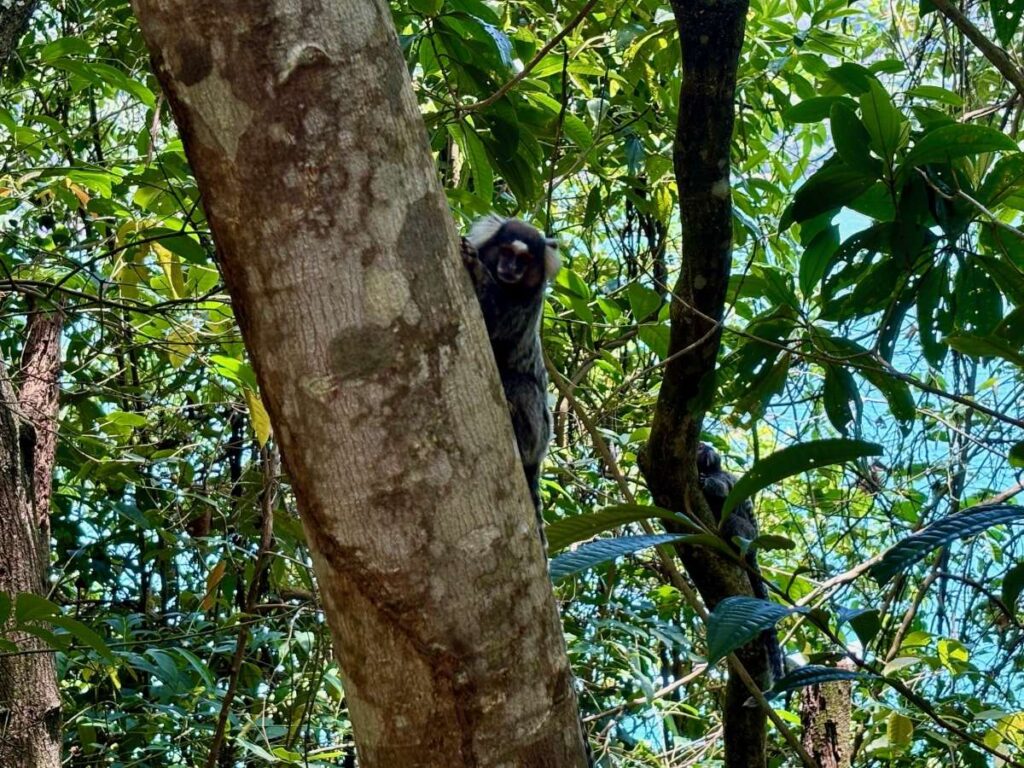
When to visit Ilha Grande
Seasons on Ilha Grande
Broadly, Brazilian summer from December to March is hotter and more humid, with a higher chance of heavy showers. The sea is warm and days feel lively, especially around New Year and Carnival.
From April to October, temperatures are slightly cooler. You can still swim, but you may want a light layer in the evening. Rain is possible year round, though mid winter often has more settled spells.
For a quieter feel, look at weekdays outside public holidays, especially in April, May, August or September. Even then, it is worth booking your first nights in advance so you are not walking the village with a backpack looking for space.
Weather, rain and how they affect boats and hikes
Rain can turn trails muddy and slippery, which makes good footwear important. In strong wind or storms, some boat departures are cancelled or moved, so it is wise to avoid very tight same day connections back to flights.
If conditions are mixed, boat tours may still run but skip more exposed stops. Ilha Grande is not a big “indoor attractions” destination, so going in with that in mind helps.
My Top Tip! On my first trip to Brazil i kept my time between Rio and Sao Paulo flexible, so I could keep an eye on the weather forecast. If the weather looks terrible it’s worth considering a little more time in Rio, or somewhere like Paraty, than spending a lot of days on Ilha Grande.
What a trip to Ilha Grande really costs
Prices felt similar to other small beach towns I have visited in Brazil. You can eat very cheaply at simple spots back from the seafront, but things can easily ramp up if you book tours or want to try some fancy local seafood.
Daily budget examples for different travel styles
A budget traveller staying in a hostel dorm, eating sensibly and choosing one big tour might manage on around R$200–R$300 per person per day.
A mid range couple in a decent pousada with one or two tours and simple restaurant meals may spend R$500–R$800 per day between them.
A comfort focused pair staying somewhere special, eating seafood dinners and taking private tours could easily reach R$900–R$1,400 per day between them.

Cards, cash and ATMs on a car free island
Ilha Grande has no reliable ATMs, so plan to bring enough cash from the mainland for boats, small bars and beach stalls. Many pousadas and tour desks accept cards, but not all small places do, especially at remote beaches.
My Top Tip! To reduced your need to have lots of cash, pre pay through a booking site for your accommodation, this is what we did.
Eating and drinking on Ilha Grande
Food on Ilha Grande is simple and satisfying rather than fancy. Expect grilled fish, rice and beans, salads, moqueca and bar snacks. You will find pizza, pasta and burgers too, especially in Abraão.
I enjoyed a lot of excellent fresh fish and seafood, but it’s not cheap, so plan accordingly if you are travelling on a budget.
Vegetarians will usually find pasta, salads and omelettes, though choice is limited in smaller villages. Bringing a few favourite snacks is useful if you have specific dietary needs and are staying out of Abraão.
Here are a couple of my favourite spots:
Ateliê – I enjoyed for a pre dinner drink, a beachfront bar with good drinks and a relaxed feel.
Paes e Cia bakery – became my go to when I wanted something quick and they did pizza too if you’re craving some comfort

Practical tips for first-time visitors
Ilha Grande is not complicated, but it is different from a resort stay. A few small choices make life easier.
- Pack lighter, consider storing your main bag on the mainland, especially if you’re not staying near the pier.
- Choose luggage wisely, the roads aren’t great so backpacks or wheeled suitcases you can easily carry are helpful
- Footwear, important not just for hiking, I found lighter trainers with good grip were the most useful
- Small dry bag or pouch for your boat trip valuables
Safety and health: what to know before you go
Ilha Grande generally feels relaxed, especially compared with big cities, I felt very at ease walking around Abraão in the evening, but you should still take usual travel care. Keep valuables simple on the beach, follow local advice on swim conditions and avoid hiking alone on long trails.
Carry insect repellent for evenings and forest walks, plus a small first aid kit with plasters, pain relief and anything you personally need. For longer hikes, take enough water and a snack even if you expect to buy food later.
Connectivity and Wi-Fi on the island
Mobile signal and data can be patchy away from the main village, and storms sometimes affect it.
Abraão has the most reliable Wi-Fi in cafés and pousadas, but speeds vary. I could scroll and message in Abraão, but uploading big batches of photos from quieter bays was slow. Download offline maps before you travel and do not plan important video calls from the island.
Ilha Grande with kids: what works and what to skip
With children, shorter boat trips, easy beaches near Abraão and gentle walks are your best bet. Skip big hikes like Pico do Papagaio. A full day tour with several stops can be tiring for younger kids, especially in heat.
Friends who visited with younger kids said their best day was a simple mix of a short boat trip, time in the sea and ice creams.
How to slot Ilha Grande into a wider Brazil route
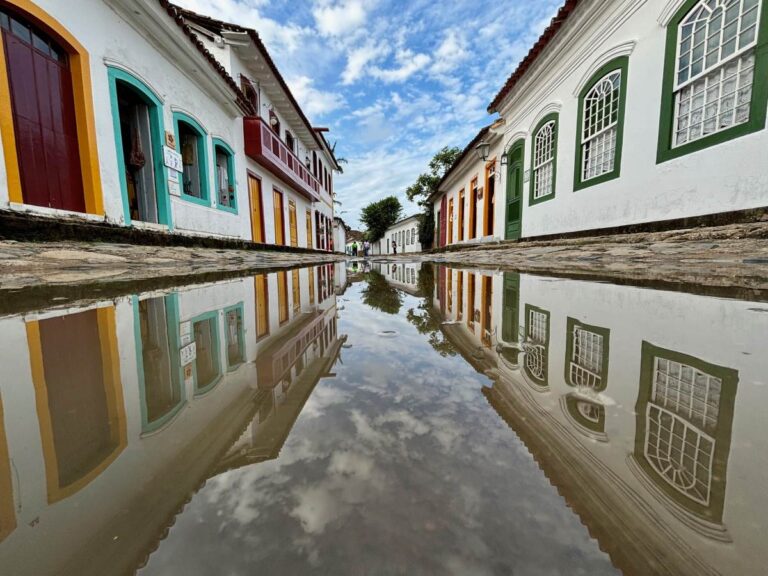
A common route is a loop of Rio, Ilha Grande and Paraty over 10–14 days. You might start in Rio, move to Ilha Grande for 3–4 nights, then continue to Paraty for cobbled streets and different beaches, or reverse the order. This is exaclty what we did on our first trip
If you have less time, a 3 night hop from Rio to Ilha Grande still gives you a simple mix of big city and island time.
FAQ’s about Ilha Grande Brazil
Ilha Grande is generally considered safe for visitors, especially compared with big Brazilian cities. Still, treat it like any tourist spot. Keep valuables simple, do not leave bags unattended on beaches, and plan hikes so you are not coming back after dark.
It can feel pricier than you expect for what you get, mainly because everything is brought in by boat. You can keep costs down with hostels, simple meals, and walking. Typical spend is about R$187 per day on a budget and around R$427 mid-range.
For most first-timers, March to May and September to October are the sweet spot. You usually get warm weather with fewer crowds, and less rain risk than peak summer. December to February tends to be hotter, more humid, and wetter.
Ilha Grande is about 193 km², roughly 75 square miles. It’s big enough that you will not “see it all” on foot from Abraão, which is why most trips mix hikes with taxi boats or a boat tour.
Pick Paraty if you want a colonial town base with restaurants, culture, and easy day trips. Pick Ilha Grande if you want beaches, boat days, and hikes in rainforest, with a car-free island vibe. If you have time, doing both works well, they complement each other.
You travel to a mainland port, usually Conceição de Jacareí or Angra dos Reis, then take a boat to Vila do Abraão. The fast boat from Conceição de Jacareí takes about 20–25 minutes and typically costs R$80–R$150. From Rio, a combined van and fast boat transfer is often 3–4 hours door to door.




5 Comments
Comments are closed.